
Imagine a space where the charm of vintage books meets the quiet sanctuary of a library—a hybrid model that’s reshaping how we engage with literature.

This innovative concept blends the thrill of discovering rare, second-hand books with the accessibility and community vibe of a public library. In an era where digital overload is constant, such a fusion offers a refreshing escape for book lovers craving both nostalgia and convenience.
Beyond just borrowing or buying, it creates a cultural hub that encourages sharing stories and fostering connections. Let’s dive deeper and explore how this unique combination is transforming the reading experience.
Get ready to uncover the details that make this trend truly captivating!
The Revival of Tangible Reading in a Digital Age
Rediscovering the Joy of Physical Books
There’s something undeniably magical about holding a book that’s been read, cherished, and passed down through time. Unlike the sterile feel of a screen, the texture of aged paper, the faint scent of ink, and the occasional handwritten note in the margins breathe life into each volume.
Many readers I’ve spoken with confess that flipping through second-hand pages feels like unlocking a secret history, connecting them with previous owners and their stories.
This tactile experience is precisely why vintage books continue to captivate even the most tech-savvy generations. It’s a sensory journey that eBooks simply can’t replicate, and it fuels a deeper appreciation for literature beyond mere words on a screen.
Escaping Digital Fatigue Through Nostalgia
In today’s hyper-connected world, constant notifications and screen time fatigue have become the norm. The hybrid model offers an inviting sanctuary where you can unplug and immerse yourself in a slower, more mindful rhythm.
I’ve personally found that spending an afternoon among shelves filled with pre-loved books serves as a peaceful reset, a break from the digital noise.
This blend of nostalgia and quietude doesn’t just soothe the mind; it reawakens a pure, undistracted love for reading. It’s like stepping into a cozy nook where time slows down and stories regain their full, rich texture.
Building a Community Around Shared Passions
What truly sets this model apart is its role as a cultural hub—a space not only for solitary reading but for social interaction and collective learning.
Unlike traditional libraries or bookstores that often feel transactional, this fusion encourages conversations, book swaps, and storytelling sessions.
I’ve seen firsthand how these gatherings spark friendships and foster a sense of belonging among diverse groups of readers. From casual browsers to hardcore bibliophiles, everyone finds a place to connect over shared passions.
This community aspect elevates the experience, transforming it from a simple visit into a memorable social ritual.
Innovative Approaches to Accessibility and Convenience
Flexible Membership and Borrowing Options
One of the standout features I’ve noticed is the flexibility in how readers access books. Unlike traditional libraries with rigid borrowing rules, this hybrid model often offers a range of options—from free borrowing and affordable rentals to purchasing rare finds at reasonable prices.
This flexibility caters to different reading habits and budgets, making literature accessible to a broader audience. Personally, I appreciate how this approach removes barriers, allowing me to experiment with new genres or authors without commitment.
It’s a win-win: readers get variety and convenience, while the space fosters sustainable book circulation.
Seamless Integration of Technology
Though rooted in the charm of physical books, these spaces cleverly incorporate technology to enhance user experience. Digital catalogs, mobile apps for reservations, and online community forums coexist with tangible collections.
From my experience, this blend ensures efficiency without sacrificing the intimate atmosphere of the space. For example, I once reserved a rare vintage edition online and picked it up the same day, saving me time and ensuring the book was waiting for me.
This kind of integration appeals especially to younger readers who expect digital convenience but still crave analog authenticity.
Designing Spaces for Comfort and Inspiration
The ambiance plays a crucial role in encouraging visitors to linger and explore. Thoughtful design elements like warm lighting, cozy reading corners, and quiet nooks invite long stays.
I recall spending hours in one such space that felt more like a friend’s living room than a public venue. This comfort encourages deeper engagement with books and with fellow readers.
Additionally, curated displays highlighting themes, local authors, or seasonal picks spark curiosity and inspire new reading journeys. It’s a subtle but powerful way to keep the environment dynamic and inviting.
Fostering Sustainable Reading Practices
Encouraging Book Recycling and Sharing
The environmental benefits of this model are often overlooked but significant. By promoting the circulation of second-hand books, these spaces reduce waste and the demand for new print runs.
I’ve personally donated countless books and felt gratified knowing they’d find new homes and readers. This practice extends the life cycle of books and supports a more sustainable approach to reading.
Moreover, it cultivates a mindset of sharing and stewardship among community members, which is increasingly vital in today’s eco-conscious world.
Supporting Local Authors and Small Publishers
Many hybrid spaces prioritize featuring works by local writers and independent publishers, enriching the literary ecosystem. I’ve attended author talks and book launches in these venues that felt intimate and accessible, unlike large commercial events.
This support not only diversifies the available literature but also strengthens local cultural identity. For readers, discovering unique voices and stories that aren’t widely distributed adds an exciting dimension to their experience.
It’s a win for both creators and consumers in the literary community.
Promoting Lifelong Learning and Curiosity
Beyond entertainment, these spaces serve as incubators for ongoing education and intellectual growth. Workshops, reading groups, and lectures invite participants to deepen their understanding and appreciation of literature and related subjects.
From my perspective, this interactive learning fosters curiosity and critical thinking in a way passive reading alone cannot. It turns reading into a shared adventure and lifelong habit, enriching both mind and community.
Transforming the Role of the Modern Bookspace
A Hybrid Model as a Cultural Catalyst
Rather than simply being places to borrow or buy books, these spaces act as cultural catalysts, sparking creativity and dialogue. I’ve witnessed art exhibits, poetry slams, and community forums hosted alongside the bookshelves, transforming the venue into a vibrant cultural hub.
This multifunctional approach draws diverse audiences and broadens the impact of literature beyond the page. It’s an exciting evolution that positions the bookspace as a vital, living part of community life.
Balancing Tradition with Innovation
Striking a balance between preserving literary heritage and embracing modern trends is no small feat, yet this hybrid model manages it beautifully. The presence of vintage and rare books honors tradition, while digital tools and contemporary programming push boundaries.
I find this balance refreshing because it respects the past without resisting change, making literature relevant and accessible for today’s readers. It’s a thoughtful fusion that invites everyone to participate in the literary world on their own terms.
Encouraging Personalized and Shared Reading Journeys
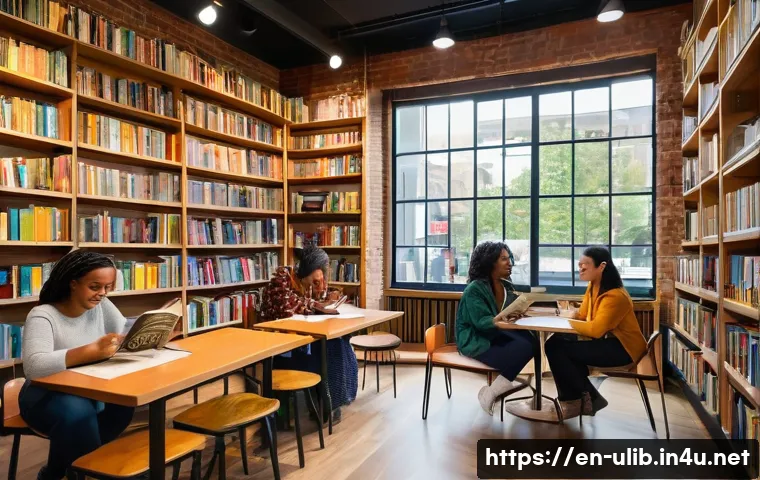
This model supports both solitary exploration and collective discovery. Readers can lose themselves in quiet corners or engage in lively discussions. From my experience, this duality enriches the reading experience by validating different approaches to literature.
Whether you’re seeking introspective solitude or social interaction, the space adapts to your mood and needs. This flexibility nurtures a more inclusive and dynamic literary culture.
Economic and Social Impact of the Hybrid Bookspace
Boosting Local Economies and Small Businesses
Many of these hybrid venues operate as small businesses or social enterprises, contributing to local economies. I’ve noticed that they often partner with nearby cafes, artists, and craftspeople, creating a network of support and cross-promotion.
This synergy helps sustain vibrant neighborhoods and fosters economic resilience. Visitors not only enjoy books but also discover other local offerings, enhancing the overall community experience.
Creating Inclusive and Diverse Literary Environments
Inclusivity is a core value in many of these spaces, which strive to represent diverse voices and perspectives. From multilingual collections to programming that celebrates underrepresented authors, I’ve seen efforts to make literature accessible to all.
This inclusivity broadens horizons and encourages empathy among readers. It’s a powerful way to use books as bridges between cultures and communities, enriching everyone’s reading journey.
Enhancing Mental Health and Well-being
The calming atmosphere and social opportunities provided by these spaces can positively impact mental health. Personally, I’ve found that simply spending time browsing or chatting with fellow readers reduces stress and combats feelings of isolation.
Activities like reading groups and workshops also foster a sense of purpose and belonging. This holistic benefit is an often unspoken but profoundly important aspect of the hybrid bookspace’s value to communities.
Comparing Traditional and Hybrid Book Environments
Contrasting Borrowing Systems and User Experience
Traditional libraries typically rely on standardized borrowing periods and catalog systems, which can sometimes feel impersonal or restrictive. In contrast, hybrid spaces often provide more personalized and flexible borrowing or buying options, creating a user-friendly environment.
From my visits, the hybrid model feels less bureaucratic and more inviting, encouraging experimentation and exploration without pressure.
The Role of Community Engagement
Community involvement tends to be more vibrant in hybrid bookspaces due to their multifunctional nature. While traditional libraries may host events, the hybrid model integrates social and cultural activities more seamlessly with daily operations.
I’ve observed that this results in stronger community bonds and higher visitor retention, as people return not just for books but for connection and shared experiences.
Cost and Accessibility Considerations
The hybrid approach often balances cost-efficiency with accessibility by offering tiered membership, sales, and free access options. This inclusivity contrasts with some traditional bookstores that focus solely on sales or libraries that may have limited hours or locations.
Personally, the affordability and flexibility of hybrid spaces have made me a more frequent and enthusiastic visitor.
| Aspect | Traditional Library | Hybrid Bookspace |
|---|---|---|
| Book Collection | Mostly new books, standard catalog | Mix of vintage, rare, and new books |
| Borrowing Options | Fixed loan periods, limited renewals | Flexible borrowing, rentals, and purchase options |
| Community Activities | Scheduled events, limited social interaction | Ongoing workshops, social gatherings, cultural events |
| Technology Use | Digital catalogs, limited online engagement | Mobile apps, online reservations, digital forums |
| Atmosphere | Quiet, formal, functional | Cozy, inviting, multifunctional |
| Accessibility | Free access, but limited hours/locations | Flexible memberships, extended hours, multiple access modes |
| Environmental Impact | Focus on new acquisitions | Promotes recycling and sustainability |
Personal Reflections on the Hybrid Book Experience
Moments of Unexpected Discovery
One of the joys I’ve found in these spaces is stumbling upon books I never would have sought out otherwise. The serendipity of spotting a dusty title or an obscure author tucked away on a shelf has sparked countless new interests.
This element of surprise is something I cherish and find deeply rewarding. It turns reading into an adventure where you don’t always know what treasures you’ll uncover.
Connection Beyond the Page
Beyond the books themselves, the people I’ve met in these spaces have enriched my reading life. From passionate volunteers to fellow readers who share recommendations and insights, the sense of community is palpable.
These connections often extend beyond the venue, creating lasting friendships and collaborative projects. It’s a reminder that literature is as much about human connection as it is about words.
Balancing Convenience with Depth
While digital platforms offer incredible convenience, I’ve found that hybrid bookspaces provide a refreshing balance by encouraging deeper engagement.
The act of browsing, handling, and discussing physical books slows down the reading process in a good way, allowing more thoughtful absorption. This balance has rekindled my enthusiasm for reading and inspired me to integrate both analog and digital methods into my literary routine.
Conclusion
In a world dominated by screens, the hybrid bookspace offers a refreshing return to the tangible joys of reading. It blends tradition with innovation, creating welcoming environments that nurture both individual exploration and community connection. This model not only revitalizes our relationship with books but also supports sustainability, local culture, and lifelong learning. Embracing this approach enriches our reading habits and deepens our appreciation for literature in all its forms.
Useful Information to Keep in Mind
1. Hybrid bookspaces provide flexible borrowing and purchasing options, catering to various reading preferences and budgets.
2. Combining physical books with digital tools enhances convenience without losing the warmth of tactile reading experiences.
3. These spaces foster strong communities through events, workshops, and shared activities, making reading a social as well as personal journey.
4. Supporting local authors and promoting book recycling contribute to environmental sustainability and cultural diversity.
5. The inviting design and atmosphere encourage longer visits, deeper engagement, and mental well-being.
Key Takeaways
The hybrid bookspace model redefines how we interact with literature by merging the best of physical and digital worlds. It prioritizes accessibility, community, and sustainability while offering a unique cultural experience. For readers seeking more than just books, these spaces deliver inspiration, connection, and convenience. Ultimately, they represent a meaningful evolution in fostering a vibrant and inclusive reading culture.
Frequently Asked Questions (FAQ) 📖
Q: What makes the vintage book-library hybrid model different from a traditional library or bookstore?
A: This hybrid model stands out because it combines the cozy, nostalgic charm of vintage and second-hand books with the welcoming, community-oriented atmosphere of a public library.
Unlike a typical bookstore that focuses mainly on sales or a library that emphasizes borrowing, this concept offers both—visitors can browse rare finds, purchase unique editions, or borrow books without pressure.
It’s a space designed not just for reading but for socializing, sharing stories, and connecting over a shared love of literature. From my experience visiting such places, it feels like stepping into a living story where every book has a history and every conversation sparks new discoveries.
Q: How does this hybrid space benefit readers in today’s digital age?
A: In an era dominated by screens and instant digital content, these spaces provide a much-needed sanctuary for readers craving a tactile, unplugged experience.
The smell of old pages, the thrill of uncovering a forgotten gem, and the relaxed environment encourage deeper engagement with books. Plus, having access to both borrowing and buying options makes it super convenient—whether you want to take a book home temporarily or add a vintage classic to your personal collection.
I’ve noticed that spending time in such environments helps me slow down and truly savor the reading process, which is rare in our fast-paced world.
Q: Can anyone participate in the community activities offered by these hybrid book spaces?
A: Absolutely! One of the most exciting aspects of these hybrid models is their inclusivity. They often host book clubs, storytelling sessions, author meetups, and workshops that invite people from all walks of life to join.
Whether you’re a seasoned bibliophile or just dipping your toes into the world of vintage literature, there’s usually a welcoming event or group for you.
Personally, joining a local vintage book club at one of these spaces introduced me to a diverse group of readers and sparked friendships I never expected.
It’s more than just books; it’s about building connections and sharing passions.