Have you ever stepped into a space and felt an immediate sense of peace, a quiet hum of centuries of knowledge reverberating around you? That’s precisely the profound experience I recall from my first encounter with a traditional Korean library, or *seowon*.
Unlike the grand, imposing structures often found in the West, these architectural gems subtly blend into their natural surroundings, built not just for books, but for deep contemplation and community.
I’ve always been fascinated by how they exemplify a truly holistic design philosophy, reflecting a timeless reverence for both learning and nature. In today’s fast-paced digital world, where information is fleeting and screens dominate our lives, these tranquil havens offer a powerful antidote.
We’re seeing a growing trend, even reflected in modern architecture and sustainable design, that emphasizes biophilic elements and mindfulness – concepts Korean builders intuitively embraced centuries ago.
Could these ancient designs hold the key to creating more mindful, digitally detoxed spaces in our future cities? I genuinely believe their focus on harmonious integration with the landscape and their promotion of quiet reflection are invaluable lessons for our modern, bustling lives.
It’s not just about preserving the past; it’s about drawing vital inspiration for tomorrow. We’ll get into the specifics.
The Embodiment of Nature’s Harmony
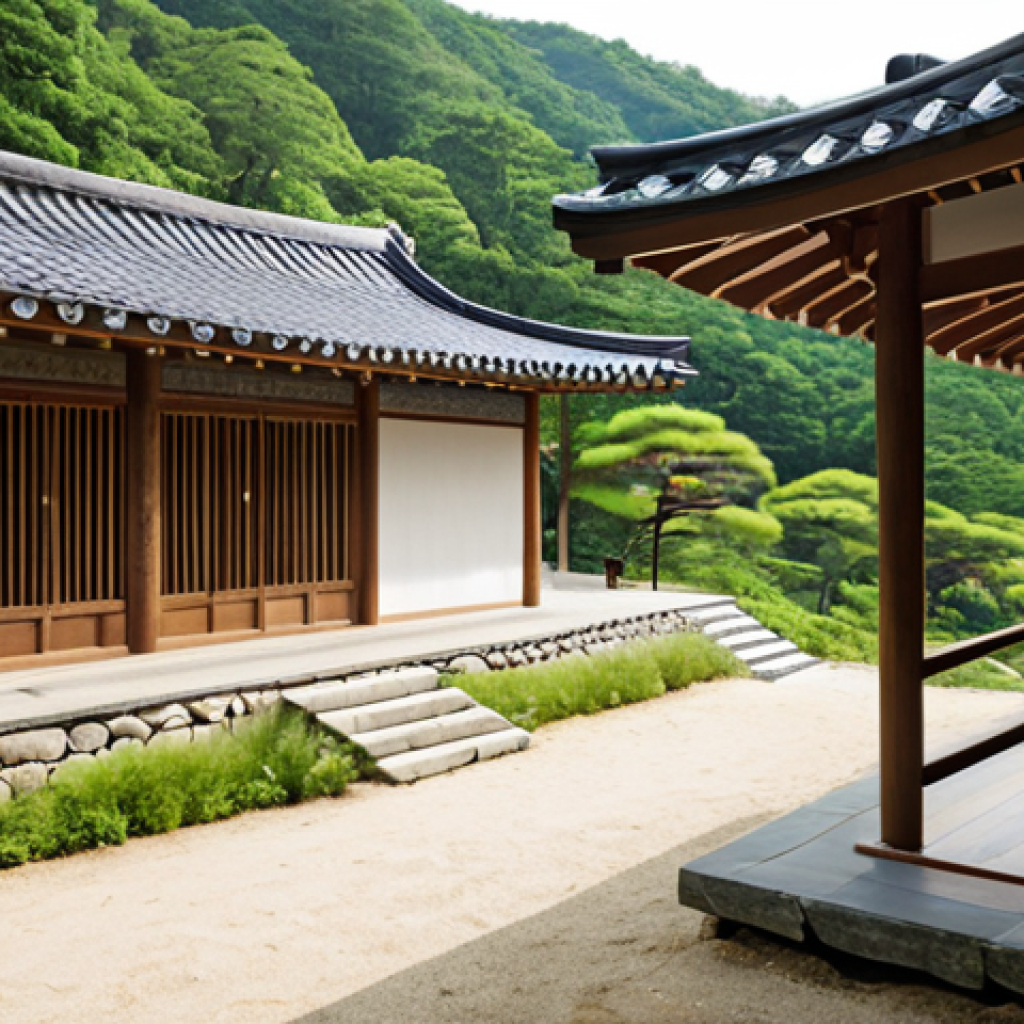
Stepping into a seowon, you don’t just enter a building; you become part of an ecosystem. This deeply resonated with me the first time I visited Sosu Seowon in Yeongju. It wasn’t just the elegant pavilions or the quiet study halls that captivated me, but how seamlessly they melted into the surrounding landscape. The architects of these traditional Korean academies weren’t just building structures; they were sculpting experiences that mirrored the natural world, aligning with the principles of Pungsu, or Korean geomancy. They understood, on an intuitive level, what modern biophilic design only recently quantified: that connecting with nature isn’t just aesthetically pleasing, it’s fundamental to human well-being and cognitive function. I’ve spent countless hours reflecting on how this philosophy could radically transform our contemporary urban spaces, often devoid of natural elements. Imagine city centers where every building integrates living elements, where the boundaries between indoors and outdoors blur, encouraging a profound sense of calm and mental clarity. It’s a far cry from the sterile, concrete jungles many of us navigate daily. This ancient wisdom truly presents a blueprint for healthier, more sustainable living environments, a lesson I believe we are only just beginning to truly appreciate and desperately need to apply. It’s about creating spaces that breathe, that encourage introspection, and that foster a deep connection to the earth, rather than isolating us from it.
1. Integrating Architecture with Topography
What struck me most forcefully was the way seowon builders never fought against the land but embraced its contours. They’d meticulously select sites nestled into mountainsides, often with a flowing stream nearby, ensuring that the structures seemed to grow organically from the earth itself. This wasn’t merely practical; it was a profound philosophical statement about humanity’s place within the natural order. They used locally sourced materials—wood, stone, clay—which further grounded the buildings in their specific environment. My personal observation has been that modern architecture, in its quest for grand statements, often overlooks this humble yet powerful principle. We erect colossal structures that dominate the landscape rather than complementing it. But the seowon showed me a different path: one where the building whispers to the hills and rivers, a conversation between human craft and natural grandeur. I often ponder how different our cities would feel if every new development began with the question, “How can this structure honor, rather than overpower, its immediate natural surroundings?” It truly shifts the paradigm from conquest to collaboration.
2. The Significance of Courtyards and Open Spaces
Every seowon I’ve explored featured meticulously designed courtyards and open spaces that served as much more than just transitional areas. These weren’t mere empty plots; they were integral to the learning and living experience. They provided light, ventilation, and a tranquil setting for contemplation, a true outdoor classroom under the open sky. I vividly remember the quiet stillness of the central courtyard at Byeongsan Seowon, surrounded by the subtle sounds of nature and the rustling leaves. It felt like a giant, natural lung for the entire complex, circulating peace and fresh air. In today’s dense urban environments, the concept of internal courtyards is often lost to maximize building footprint. However, from my personal experience, these green pockets are vital for mental well-being, offering residents and students a critical escape from the confines of four walls. They are spaces for reflection, for quiet conversation, and for simply breathing deeply. Reintroducing such thoughtfully designed voids into our modern high-rises could drastically improve the quality of life, offering moments of respite and natural connection in the midst of urban chaos. It’s a design philosophy that prioritizes human experience over sheer density.
Cultivating Minds Through Spatial Design
The layout of a seowon was never accidental; every element was deliberately placed to foster focused learning and moral cultivation. I found this particularly fascinating because it directly contrasts with many of our contemporary learning environments, which often prioritize efficiency or technological integration above holistic student development. The design of these academies inherently encouraged introspection, community, and a deep respect for knowledge. Walking through the various halls and study rooms, I felt a palpable sense of purpose in the air, a quiet reverence for the pursuit of wisdom. It made me reflect on how much our physical surroundings influence our mental states and learning capacities. If we truly want to nurture curious, empathetic, and thoughtful individuals, perhaps we need to pay more attention to the architectural psychology embedded in these ancient institutions. They demonstrate that the very walls and pathways can be silent teachers, guiding students towards deeper thought and ethical conduct. It’s a reminder that true education isn’t just about absorbing facts, but about cultivating character and wisdom, a process deeply intertwined with the environment in which it occurs. This holistic approach is something I believe we’ve largely lost sight of in our drive for purely academic metrics.
1. The Hierarchy of Learning Spaces
One of the most profound aspects of seowon design, from my perspective, was the intelligent hierarchy of its spaces. You typically moved from more communal areas, like the lecture hall (gangdang), to increasingly private study rooms (dongjae and seojae) for individual contemplation. This progression facilitated a natural transition from shared discourse to deep personal reflection. It felt incredibly intuitive, guiding the student through different modes of learning without explicit instruction. I’ve often thought about how this contrasts with modern university campuses, where individual study spaces can feel isolated or generic. The seowon‘s design, however, actively promoted a mindful journey through knowledge. It implicitly taught students the importance of both collaborative learning and solitary contemplation, recognizing that both are crucial for intellectual growth. This spatial sequencing fostered discipline and focus, a far cry from the distractions that often plague modern study environments. It demonstrated an understanding of the learning process that extended beyond just curriculum, into the very physical spaces that housed it.
2. The Role of the Lecture Hall (Gangdang)
The gangdang, or main lecture hall, served as the beating heart of the seowon, and I vividly recall its central prominence in every site I visited. It was usually the largest and most grand building, positioned to command respect and attention, yet still open to the elements to prevent a sense of confinement. This space wasn’t just for lectures; it was a forum for debate, discussion, and ceremonial gatherings. It embodied the community aspect of learning, where students and teachers engaged in lively intellectual exchanges. From my experience, the atmosphere in these halls, even today, retains a powerful sense of intellectual energy. Unlike modern, often sterile, lecture theaters, the gangdang felt alive, designed to facilitate dynamic interaction rather than passive reception of information. It emphasized the shared journey of knowledge, fostering a sense of camaraderie and collective pursuit of wisdom. This emphasis on community and interaction, built directly into the core learning space, is a vital lesson for contemporary educational design. It reminds us that learning is fundamentally a human, social endeavor.
The Seowon as a Hub for Community and Ethics
Beyond being mere educational institutions, seowon functioned as vital community hubs, embodying a holistic approach to life that blended scholarship with ethical conduct and social responsibility. This is where I truly felt the depth of their design philosophy – it wasn’t just about individual learning, but about cultivating virtuous citizens who would contribute positively to society. They often included ancestral shrines and spaces for communal rituals, reinforcing moral values and historical continuity. This focus on broader societal impact, rather than just academic achievement, felt incredibly refreshing and relevant in our often individualistic world. I’ve witnessed firsthand how a strong sense of community can elevate an educational experience, and the seowon stands as a powerful testament to this. It challenges us to rethink the purpose of education itself: is it merely to impart knowledge, or to mold character and foster a sense of collective well-being? My personal belief is that by ignoring the communal and ethical dimensions, we risk producing technically proficient individuals who lack a deeper understanding of their role in the world. The seowon, in its very structure, preached the importance of living a principled life intertwined with one’s community and heritage.
1. Rituals and Ancestral Worship
A distinctive feature of many seowon, which I initially found quite striking, was the inclusion of dedicated ancestral shrines (munmyo or sajeon). These weren’t mere afterthoughts; they were integral components, often located at the highest point of the complex, symbolizing respect and continuity. This practice, deeply rooted in Confucian tradition, reinforced a sense of historical awareness and moral obligation among the students. It wasn’t just about learning from texts; it was about honoring the legacy of past scholars and maintaining a connection to one’s roots. From my observation, this integration of ritual into the educational setting fostered a deep sense of humility and gratitude, grounding the students in a broader cultural narrative. It provided a powerful moral compass that transcended purely academic pursuits, connecting intellectual development with ethical character. This emphasis on intergenerational connection and reverence for tradition is something that, I believe, is largely absent from modern educational models, and its absence leaves a significant void in shaping well-rounded individuals.
2. The Seowon as a Local Cultural Center
Beyond their primary educational role, many seowon served as vibrant cultural centers for their local communities, a role I found immensely appealing. They weren’t isolated academic ivory towers; they were deeply embedded within the fabric of rural life. They often hosted public lectures, literary gatherings, and even acted as repositories for local archives. This made them accessible and relevant to a wider population, fostering a shared appreciation for learning and culture beyond the student body. I’ve always admired how they managed to bridge the gap between academic elite and common folk, disseminating knowledge and promoting cultural engagement. My personal take is that modern institutions could learn a great deal from this model, actively engaging with their surrounding communities rather than remaining insular. Imagine universities becoming true hubs of cultural exchange and public discourse, accessible to everyone, not just enrolled students. It’s a powerful idea for fostering intellectual curiosity and civic participation across all segments of society, transforming campuses into true public assets.
Timeless Principles for Modern Well-being
The more I delved into the philosophy behind seowon architecture, the more I realized these ancient principles hold incredibly potent lessons for our modern, often overstimulated lives. It goes beyond just aesthetics; it’s about creating environments that genuinely foster mental clarity, reduce stress, and promote a sense of well-being. In an age dominated by digital screens and constant connectivity, the tranquility and thoughtful design of a seowon offer a powerful antidote to digital fatigue. I frequently find myself thinking about how their emphasis on natural light, natural ventilation, and connection to the landscape could be applied to our offices, homes, and public spaces to create more humane and healing environments. It’s not just about historical preservation; it’s about drawing vital, actionable insights for contemporary challenges. The mindful experience that these spaces curate is something we desperately crave and need to intentionally design into our future. From my own observations, the pervasive stress of modern life is exacerbated by the often-uninspired, unnatural environments we inhabit. The seowon offers a compelling vision of how things could be different, prioritizing human experience and natural harmony.
1. Designing for Digital Detox and Mindfulness
In our hyper-connected world, the concept of a “digital detox” is increasingly popular, yet rarely do we design our environments to facilitate it. The seowon, by its very nature, was a space for profound digital detox, long before digital even existed. Its quiet halls, natural views, and lack of artificial distractions inherently encouraged mindfulness and deep concentration. I found myself instinctively reaching for my phone less often when I was within their serene confines. This has led me to question: how can we intentionally incorporate “detox zones” into our homes and workplaces? Imagine a living room or office space designed with similar principles: ample natural light, quiet nooks, views of greenery, and minimal technological intrusion. It’s about creating spaces where intentional disconnection isn’t just possible, but actively encouraged. My personal experience has shown that even small changes, like orienting a desk towards a window with a natural view, can significantly reduce mental fatigue and improve focus. The seowon offers a powerful reminder that our spaces can either distract us or guide us towards inner peace and productivity.
2. Applying Biophilic Elements in Contemporary Design
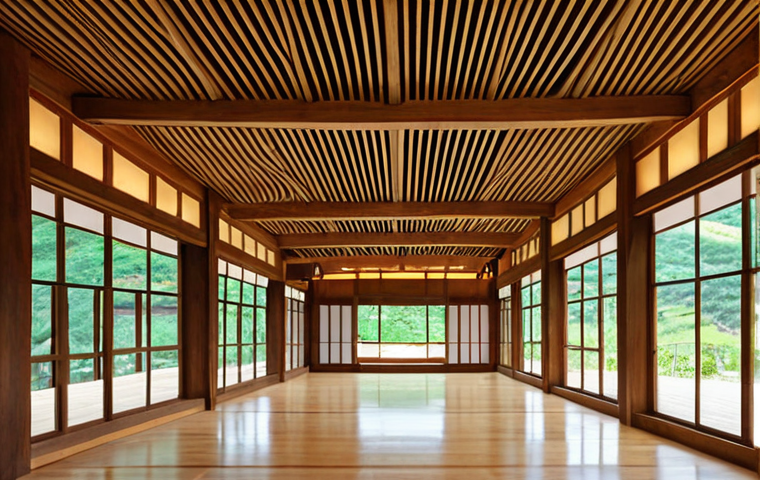
The resurgence of interest in biophilic design isn’t just a fleeting trend; it’s a recognition of a fundamental human need that the seowon inherently understood. Biophilia—our innate connection to nature—was the cornerstone of their architectural philosophy. Think of the open-air pavilions, the use of unvarnished wood, the integration of streams, and the framing of distant mountain views. These elements weren’t mere decorations; they were essential components that fostered well-being and a sense of belonging. I’ve actively started incorporating more natural elements into my own living space, inspired by these visits – from adding more houseplants to maximizing natural light. And I’ve seen firsthand the positive impact on my mood and productivity. For urban planners and architects today, this means going beyond a few potted plants. It means designing buildings that breathe, creating vertical gardens, incorporating water features, and ensuring every inhabitant has access to natural views. It’s about designing cities that are living ecosystems, not just concrete jungles, acknowledging our primal need for nature to thrive. The contrast table below highlights some key differences and convergences:
| Feature | Traditional Seowon Principle | Modern Biophilic Design Application |
|---|---|---|
| Site Selection | Harmony with natural topography (mountains, streams). Avoids disrupting existing landscape. | Brownfield redevelopment, green roofs, vertical farms, preserving natural waterways within urban plans. |
| Materials | Locally sourced wood, stone, clay. Unprocessed, natural textures. | Sustainable, recycled, and natural materials (e.g., mass timber, bamboo). Prioritizing low embodied carbon. |
| Light & Air | Open structures, large eaves, courtyards for natural ventilation and daylighting. | Optimized fenestration, operable windows, atriums, passive ventilation systems to reduce energy consumption. |
| Nature Integration | Buildings blend into landscape, framed views of nature, indoor-outdoor connection. | Green walls, indoor plants, healing gardens, accessible outdoor spaces, views to nature from all interior spaces. |
| Purpose | Holistic learning, moral cultivation, community hub, fostering peace and contemplation. | Enhanced well-being, stress reduction, increased productivity, cognitive performance, and environmental stewardship. |
The Enduring Legacy of Korean Design
What I’ve come to realize, after immersing myself in the world of seowon, is that their design principles aren’t just historical curiosities; they represent an enduring legacy of profound wisdom that remains remarkably relevant today. They offer a powerful counter-narrative to our prevailing architectural and educational paradigms, which often prioritize efficiency and technological advancement above human well-being and connection to the natural world. The quiet intelligence embedded in these structures speaks volumes about how spaces can shape not just our thoughts, but our very character. It’s a reminder that truly great design transcends fleeting trends, offering timeless solutions to universal human needs. I feel a strong sense of urgency that we, as a global society, need to pay closer attention to these lessons from the past, particularly as we grapple with modern challenges like climate change, mental health crises, and the pervasive disconnect from nature. The seowon isn’t just an architectural marvel; it’s a profound philosophical statement about how to live a more harmonious, mindful, and integrated life. It’s an invitation to pause, reflect, and reimagine our built environments for a better future.
1. Seowon as a Model for Sustainable Development
From my professional perspective, the seowon offers an extraordinary blueprint for sustainable development, centuries ahead of its time. Their practices of utilizing local materials, passive ventilation, natural lighting, and integrating with the landscape epitomize principles that modern green building movements strive to achieve. They demonstrated how to build in harmony with nature, minimizing environmental impact while maximizing human comfort and spiritual well-being. It was a closed-loop system, where the buildings were part of the natural cycle, not an imposition upon it. My own research into sustainable architecture has consistently brought me back to these ancient examples, showing that often, the simplest and most natural solutions are the most effective and enduring. We could learn immensely from their humility in building, their respect for resources, and their ability to create structures that endured for centuries without heavy reliance on external energy inputs. It’s a powerful lesson in true resilience and ecological intelligence, challenging our current resource-intensive construction methods. It truly made me question why we’ve strayed so far from these inherently sustainable practices.
2. Lessons for Future-Proofing Our Cities
The final, and perhaps most vital, lesson I’ve drawn from my extensive study of the seowon is its profound relevance for future-proofing our cities. As urban populations continue to swell and climate change presents unprecedented challenges, we need architectural solutions that are both resilient and human-centric. The seowon, with its focus on natural cooling, daylighting, community integration, and emotional well-being, offers a compelling model for creating livable, sustainable, and nurturing urban environments. I believe that by incorporating these ancient principles—adapting them to modern contexts and technologies—we can design cities that are not just smart, but wise; not just efficient, but humane. It’s about building spaces that encourage slower living, deeper thought, and stronger community bonds, fostering a sense of peace and belonging amidst the urban bustle. My hope is that architects, urban planners, and policymakers will increasingly look to these timeless examples for inspiration, recognizing that the wisdom of the past holds invaluable keys to building a healthier, more harmonious future for everyone. It truly shifts the focus from purely functional design to designing for the human spirit.
Wrapping Up
My journey into the architectural and philosophical depths of the *seowon* has been nothing short of transformative. It’s opened my eyes to a way of designing and living that prioritizes harmony with nature, profound human well-being, and a deep connection to community.
These ancient Korean academies aren’t just relics of the past; they are living blueprints for a more thoughtful, sustainable, and humane future. They whisper timeless truths about what truly enriches our lives and how our environments can either hinder or uplift our spirits.
I genuinely believe that by embracing the wisdom embedded in their very stones and timbers, we can begin to reshape our modern world into one that truly nurtures us all.
Useful Information
1. Many of Korea’s significant *seowon*, including Sosu Seowon, Dosan Seowon, and Byeongsan Seowon, are now designated UNESCO World Heritage sites, offering a fantastic opportunity to explore these architectural marvels. They are well-preserved and often have visitor information available.
2. The best times to visit *seowon* are typically spring (April-May) and autumn (September-October) when the weather is mild and the surrounding natural landscapes are at their most beautiful, perfectly complementing the traditional architecture.
3. While most *seowon* are accessible by local buses or taxis from nearby cities like Andong or Yeongju, having a rental car can offer more flexibility, especially if you plan to visit multiple sites in the same day.
4. Many *seowon* offer cultural programs or tea ceremonies, often requiring advance booking, which can provide a deeper, more immersive experience into the scholars’ daily lives and traditional customs. Look for these unique opportunities!
5. Don’t rush your visit. Take time to sit in the courtyards, walk through the halls, and observe the details. The true essence of *seowon* lies in their tranquil atmosphere and the sense of quiet contemplation they inspire, which truly requires a slower pace.
Key Takeaways
The *seowon* exemplify how architecture can deeply integrate with nature to enhance well-being and cognitive function, foster vibrant communities through thoughtful spatial design, and serve as timeless models for sustainable development.
They underscore the profound influence of built environments on our lives, offering crucial lessons for future-proofing our cities with a focus on human harmony and ecological intelligence.
Frequently Asked Questions (FAQ) 📖
Q: What exactly sets a traditional Korean seowon apart from the libraries or educational institutions we typically encounter, especially in a fast-paced world?
A: Oh, it’s like stepping into a different dimension entirely! When I first walked into a seowon, the immediate sensation wasn’t the hush of books, but rather this profound tranquility, almost a breathable silence.
Unlike the grand, often imposing libraries I’ve visited in Europe or North America, which feel like bastions for knowledge, a seowon feels like it emanates knowledge from its very integration with nature.
It’s not just a place to store texts; it’s a living classroom woven into the landscape, designed for contemplation, reflection, and community. I remember feeling an almost visceral sense of connection to the scholars who walked those same grounds centuries ago, their focus not on rote memorization but on deep understanding and moral cultivation.
It’s truly an antidote to our screen-dominated lives – a physical space that forces you to slow down, breathe, and just be.
Q: You mentioned these ancient designs might “hold the key” to creating more mindful, digitally detoxed spaces. Can you elaborate on how we might practically apply these seowon principles in modern architecture or even our daily lives?
A: Absolutely! This is where it gets really exciting for me. When I talk about seowon holding a “key,” I’m not suggesting we start building replicas everywhere.
It’s about distilling the essence of their design philosophy. Think about it: the seowon’s integration with nature wasn’t just aesthetic; it was fundamental to the learning process.
We see this echoing in today’s biophilic design, where architects are bringing natural light, views of greenery, and natural materials into buildings to improve well-being.
For me, after experiencing a seowon, I started to think differently about my own home office. I made sure my desk faced a window with a view of trees, even added some plants – simple changes, but they made a world of difference in my focus and calm.
For cities, it means prioritizing green spaces, natural ventilation, and designing public areas that encourage quiet reflection rather than constant stimulation.
It’s about intentionally creating pockets of calm amidst the urban hustle, much like a seowon offered a sanctuary for scholars.
Q: Beyond the architectural marvels, what’s the most valuable lesson you believe we, as individuals, can draw from the seowon philosophy to enhance our own well-being and sense of purpose in the modern world?
A: That’s a fantastic question, and for me, the most profound takeaway isn’t about physical structures at all, but about a shift in mindset. The seowon embodies the idea that true learning and growth don’t happen in isolation or through endless consumption of information, but through deep, unhurried reflection and a connection to something larger than yourself – whether that’s nature, community, or a set of timeless values.
I’ve personally tried to incorporate this “unhurried reflection” into my daily routine. Instead of just scrolling through news feeds during breaks, I’ll step outside, even for five minutes, and just observe the sky or the trees.
It’s about creating those mental “seowon” moments for yourself, intentionally stepping back from the digital noise to process, to think, and to connect with your inner self.
It’s about cultivating that quiet hum of wisdom within, much like the centuries of knowledge vibrating within those ancient walls. It’s truly transformational.
📚 References
Wikipedia Encyclopedia
구글 검색 결과
구글 검색 결과
구글 검색 결과
구글 검색 결과
구글 검색 결과