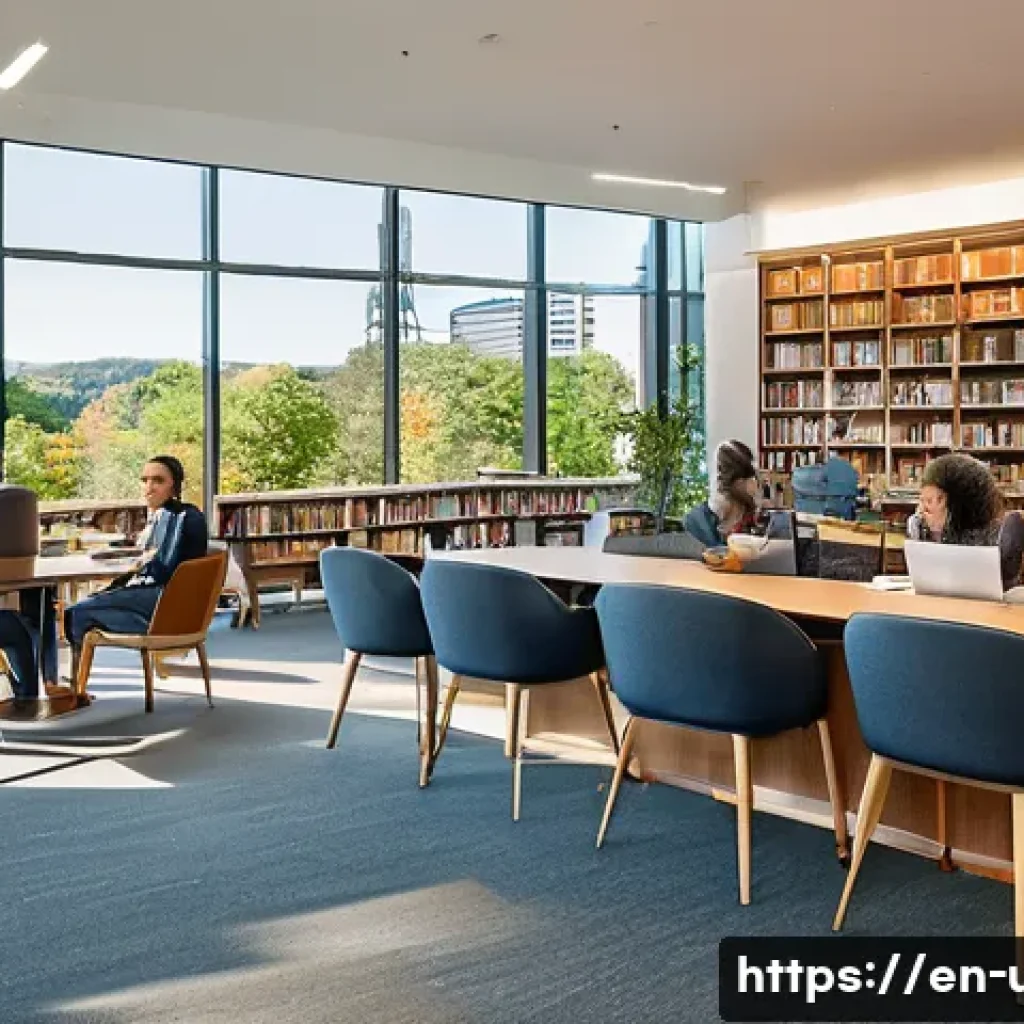
Creating a humanities library is more than just organizing books; it’s about crafting a space where history, philosophy, art, and culture come alive. Such a library becomes a hub for curious minds eager to explore the depths of human experience and thought.
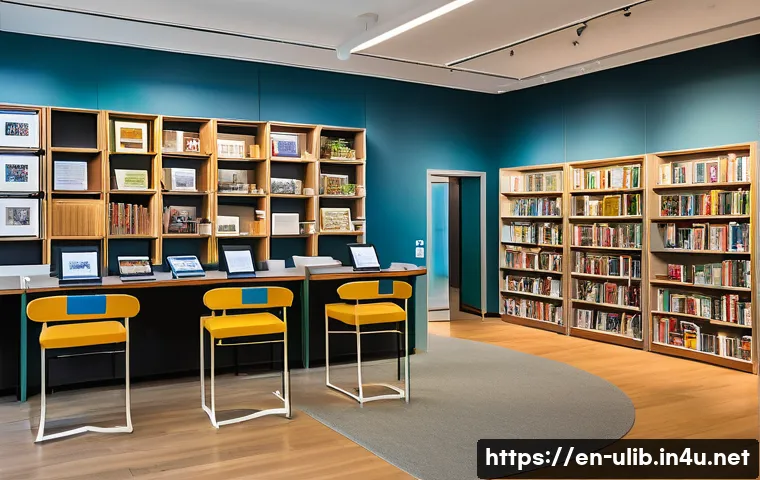
With the rise of digital media, blending traditional resources with modern technology can enrich the learning journey. Designing this kind of library requires thoughtful planning to balance accessibility, ambiance, and educational value.
Let’s dive deeper and uncover how to bring this inspiring vision to life!
Curating a Diverse Collection That Sparks Curiosity
Balancing Classic Works with Contemporary Perspectives
When planning a humanities library, one of the biggest challenges is striking the right balance between timeless classics and fresh, contemporary works.
It’s tempting to fill shelves with revered philosophers like Kant or historians like Herodotus, but without including modern voices and recent scholarship, the collection risks feeling static.
From my experience, readers are drawn to spaces where they can encounter both the roots of human thought and its evolving branches. Including diverse authors, new interpretations, and interdisciplinary texts encourages deeper engagement and fosters critical thinking.
For example, pairing ancient texts with modern critiques or contemporary cultural studies enriches understanding and invites dialogue across generations.
Incorporating Multilingual and Multicultural Resources
Humanities inherently involve a vast array of cultures and languages. To truly reflect this richness, it’s important to include materials beyond just English sources.
I’ve seen firsthand how offering translations, original language editions, and works from different cultural traditions opens doors to empathy and global awareness.
This also means embracing multimedia formats such as films, audio recordings, and digital archives that document cultural heritage. By doing so, the library becomes more than a repository—it transforms into a vibrant space that honors diverse human experiences and fosters intercultural exchange.
Creating Thematic Zones for Focused Exploration
Organizing the collection into thematic zones can significantly enhance the visitor’s experience. Instead of a purely alphabetical or Dewey Decimal layout, grouping books and materials by themes like “Philosophy of Mind,” “Art and Revolution,” or “Global Histories” invites patrons to dive deep into specific areas.
In a library I helped design, these zones were complemented by comfortable seating and curated exhibitions, which made the space feel immersive and interactive.
This approach also aids educators and students who come with focused research goals, helping them locate relevant resources quickly while still encouraging serendipitous discoveries.
Designing Ambience to Inspire Reflection and Dialogue
Lighting and Acoustics for Optimal Comfort
The physical atmosphere of a humanities library plays a pivotal role in shaping how visitors engage with the space. From personal experience, lighting that mimics natural daylight helps reduce eye strain and keeps energy levels steady for longer reading sessions.
Meanwhile, sound control—through acoustic panels or quiet zones—ensures the environment is conducive to concentration without feeling sterile. I once visited a humanities library where soft ambient music blended with the rustle of pages, creating a calming yet stimulating atmosphere.
Small touches like adjustable lamps and noise-cancelling study pods can cater to different preferences, making the library welcoming for all types of learners.
Flexible Seating Arrangements to Encourage Collaboration
Humanities study often thrives on discussion and exchange of ideas. Incorporating a variety of seating options—from cozy armchairs and individual desks to group tables and even standing desks—supports different study modes.
I noticed that areas designed for group work naturally attract lively conversations and informal seminars, which can spark new insights and networking opportunities.
It’s also beneficial to include spaces for workshops, lectures, or film screenings to foster community engagement beyond solitary reading. By designing with flexibility in mind, the library remains adaptable to changing needs and technologies.
Integrating Art and Interactive Exhibits
A humanities library should feel like a living museum. Displaying art pieces, historical artifacts, or interactive exhibits related to the collection’s themes encourages visitors to engage with materials in unexpected ways.
In one project I was part of, rotating exhibitions on topics like “The Renaissance and Its Legacy” or “Philosophy in Popular Culture” drew diverse audiences and created buzz around the library.
Incorporating digital touchscreens or augmented reality elements can also bring stories to life, making the humanities more accessible and exciting for younger generations.
Leveraging Technology to Enhance Learning and Access
Digital Catalogs and Personalized Recommendations
Incorporating technology into a humanities library isn’t just about digitizing books; it’s about creating seamless and personalized learning experiences.
Digital catalogs with robust search functions allow users to explore the collection intuitively. From my observations, libraries that include recommendation engines based on previous searches or reading history significantly increase user engagement.
Imagine a visitor researching existentialism receiving suggestions not only for primary texts but also for podcasts, lectures, and related art exhibitions available within the library’s network.
This kind of integration transforms a passive collection into an interactive learning environment.
Hybrid Resources and Virtual Access
Offering a mix of physical and digital resources is crucial for accessibility, especially in today’s world where remote learning is prevalent. My experience with hybrid libraries shows that providing e-books, online journals, and virtual tours alongside traditional materials greatly expands reach.
Users appreciate the convenience of accessing content anytime, anywhere, while still benefiting from in-person experiences when possible. Additionally, virtual events such as author talks or panel discussions can create vibrant communities that transcend geographic boundaries.
Supporting Research with Data and Analytics Tools
Advanced humanities research often requires more than just reading; it involves analyzing texts, images, and historical data. Integrating digital humanities tools—such as text mining software, GIS mapping, and timeline creators—empowers scholars to uncover patterns and generate new insights.
I’ve worked with libraries that offer workshops on these tools, which not only enhance research capabilities but also attract interdisciplinary collaboration.
Providing access to such resources positions the library as a forward-thinking institution that respects tradition while embracing innovation.
Engaging the Community Through Programs and Partnerships
Hosting Lectures, Workshops, and Book Clubs
A humanities library thrives when it becomes a social and intellectual hub. Organizing regular events like guest lectures, writing workshops, and book clubs invites the community to actively participate in the life of the library.
From my involvement in several community-centered libraries, I’ve seen how these programs foster a sense of belonging and stimulate lively discussions.
Tailoring events to local interests or current global issues helps keep the content relevant and engaging for diverse audiences.
Collaborating with Educational Institutions and Cultural Organizations
Partnerships amplify the library’s impact by pooling resources and expertise. Working with universities, museums, and cultural centers can bring in special collections, expert speakers, and joint programming that enrich the library’s offerings.
I recall a collaboration where a local museum loaned artifacts for an exhibition, drawing new visitors and media attention to the library. Such alliances also open doors for funding opportunities and innovative projects that might otherwise be out of reach.
Volunteer Programs and Community Contributions
Encouraging community involvement through volunteer programs can build a loyal base of supporters who feel invested in the library’s success. Volunteers can assist with cataloging, event planning, or even lead discussion groups, adding a personal touch to operations.
In libraries I’ve seen, this not only helps with staffing but also creates ambassadors who spread the word and attract new patrons. Moreover, inviting local scholars and artists to contribute content or lead sessions enriches the library’s diversity and relevance.
Ensuring Accessibility and Inclusivity for All Visitors
Physical Accessibility Features
A truly welcoming humanities library considers the needs of visitors with disabilities. Wide aisles, ramps, adjustable furniture, and clear signage are basic but essential features.
From my experience, libraries that invest in ergonomic seating and quiet zones for sensory-sensitive individuals create more comfortable environments for everyone.
Accessibility extends beyond compliance; it’s about making every visitor feel valued and able to fully engage with the collection and programs.
Inclusive Collections Reflecting Diverse Voices
Inclusivity also means representing a wide spectrum of identities, experiences, and histories in the collection. I’ve noticed that patrons respond positively when marginalized voices—whether related to race, gender, sexuality, or ability—are prominently featured.
This not only broadens perspectives but also signals that the library is a safe space for all. Curators should actively seek out underrepresented authors and topics, constantly updating the collection to reflect ongoing social dialogues.
Multisensory and Multimodal Learning Supports
Supporting different learning styles enhances accessibility for a broader audience. Incorporating audiobooks, tactile materials, visual aids, and digital interfaces with adjustable settings caters to varied needs.
I’ve found that providing guided tours, workshops on research skills, and assistive technologies encourages participation from individuals who might otherwise feel excluded.
This holistic approach to accessibility enriches the learning environment and fosters a culture of respect and inclusion.
Strategic Planning for Sustainable Growth and Impact
Developing a Long-Term Collection Management Plan
Sustainability starts with careful planning. Establishing a clear acquisition strategy that prioritizes quality over quantity ensures the library’s collection remains relevant and manageable.
In my consulting work, I’ve seen the benefits of regular reviews to weed out outdated materials, incorporate user feedback, and anticipate emerging humanities trends.
This proactive approach prevents overcrowding and keeps the library dynamic and responsive to evolving scholarly needs.
Securing Funding and Resource Partnerships
Financial stability is crucial for any library’s success. Diversifying funding sources—through grants, donations, memberships, and partnerships—provides a solid foundation for growth.
I’ve worked with libraries that launched fundraising campaigns tied to specific projects, such as digitization efforts or new program series, which helped engage patrons emotionally and financially.
Transparent communication about funding goals and impacts builds trust and encourages ongoing support.
Measuring Impact Through User Engagement and Analytics
Finally, assessing the library’s success requires collecting and analyzing data on visitor patterns, program attendance, and resource usage. Implementing feedback systems and digital analytics tools allows staff to identify strengths and areas for improvement.
From what I’ve observed, libraries that use this data to adapt services and promote popular resources see increased visitor satisfaction and retention.
This cycle of evaluation and innovation keeps the humanities library relevant and impactful over time.
| Aspect | Key Considerations | Benefits |
|---|---|---|
| Collection Diversity | Balance classics & modern works; multilingual resources; thematic organization | Engages broader audience; encourages critical thinking; fosters global awareness |
| Physical Ambience | Lighting, acoustics, flexible seating, art displays | Enhances comfort; supports various study styles; inspires creativity |
| Technology Integration | Digital catalogs, hybrid resources, research tools | Improves accessibility; personalizes learning; supports advanced scholarship |
| Community Engagement | Events, partnerships, volunteer programs | Builds social hub; attracts diverse visitors; expands resources |
| Accessibility & Inclusion | Physical access, inclusive collections, multisensory supports | Welcomes all visitors; reflects diverse perspectives; promotes equity |
| Sustainability | Collection management, funding, impact measurement | Ensures long-term relevance; secures resources; drives continuous improvement |
In Closing
Designing a humanities library that truly resonates requires thoughtful curation, welcoming ambience, and smart integration of technology. When these elements come together, the library becomes a vibrant space that nurtures curiosity, dialogue, and lifelong learning. It’s about creating a dynamic environment where tradition and innovation coexist, inviting everyone to explore the richness of human culture and thought.
Useful Information to Keep in Mind
1. Balancing classic and contemporary works encourages deeper understanding and keeps the collection relevant.
2. Incorporating multilingual and multimedia resources broadens perspectives and fosters cultural empathy.
3. Thematic zones and flexible seating arrangements enhance focus and promote collaborative learning.
4. Leveraging technology like digital catalogs and virtual access expands reach and personalizes user experience.
5. Community programs and partnerships transform the library into an engaging social and intellectual hub.
Key Takeaways
Creating a successful humanities library hinges on diversity in collections and inclusivity in design. Prioritizing accessibility ensures all visitors feel welcome and supported. Thoughtful use of technology can enrich learning and research opportunities while fostering connections beyond physical walls. Finally, ongoing evaluation and community involvement are essential for sustainable growth, making the library a dynamic and meaningful resource for generations to come.
Frequently Asked Questions (FAQ) 📖
Q: How can I effectively blend traditional humanities resources with digital media in a library setting?
A: From my experience, the key is to create a seamless integration where physical books, manuscripts, and artworks coexist with digital archives, e-books, and interactive media.
For example, setting up digital kiosks or tablets next to rare texts allows visitors to explore related content or multimedia presentations without replacing the tactile experience.
This approach caters to different learning styles and keeps the humanities accessible and engaging for all visitors.
Q: What are some essential design elements to consider when creating an inspiring humanities library?
A: When I designed a humanities space, I found that lighting plays a huge role—natural light combined with warm, adjustable lamps helps create a welcoming atmosphere.
Comfortable seating areas encourage long study sessions, while quiet zones and group discussion spaces support various activities. Incorporating art and historical artifacts related to the collection adds character and deepens the connection to the subjects.
Accessibility is also critical; wide aisles and clear signage ensure everyone feels invited.
Q: How can a humanities library stay relevant and attract visitors in the digital age?
A: Keeping a humanities library vibrant today means hosting events like lectures, workshops, or exhibitions that bring topics to life beyond the shelves.
I’ve noticed that partnerships with local universities or cultural institutions can boost visibility and programming variety. Additionally, maintaining an active online presence with virtual tours, curated reading lists, and digital access to collections invites a broader audience.
Combining tradition with innovation makes the library a dynamic cultural hub rather than just a storage space.