Bringing books directly to communities through mobile libraries has become a powerful way to promote literacy and bridge access gaps. These innovative services reach people who might not have easy access to traditional libraries, such as rural residents or busy urban neighborhoods.
Operating a mobile library involves thoughtful planning, from selecting the right vehicle to curating a diverse collection that appeals to various age groups.
It also requires engaging local communities to foster a culture of reading and learning. Having seen firsthand how a well-run mobile library can spark curiosity and joy, I’m excited to share practical insights on making it work effectively.
Let’s dive into the details and explore how to run a successful mobile library!
Choosing the Perfect Vehicle for Your Mobile Library
Assessing Size and Accessibility Needs
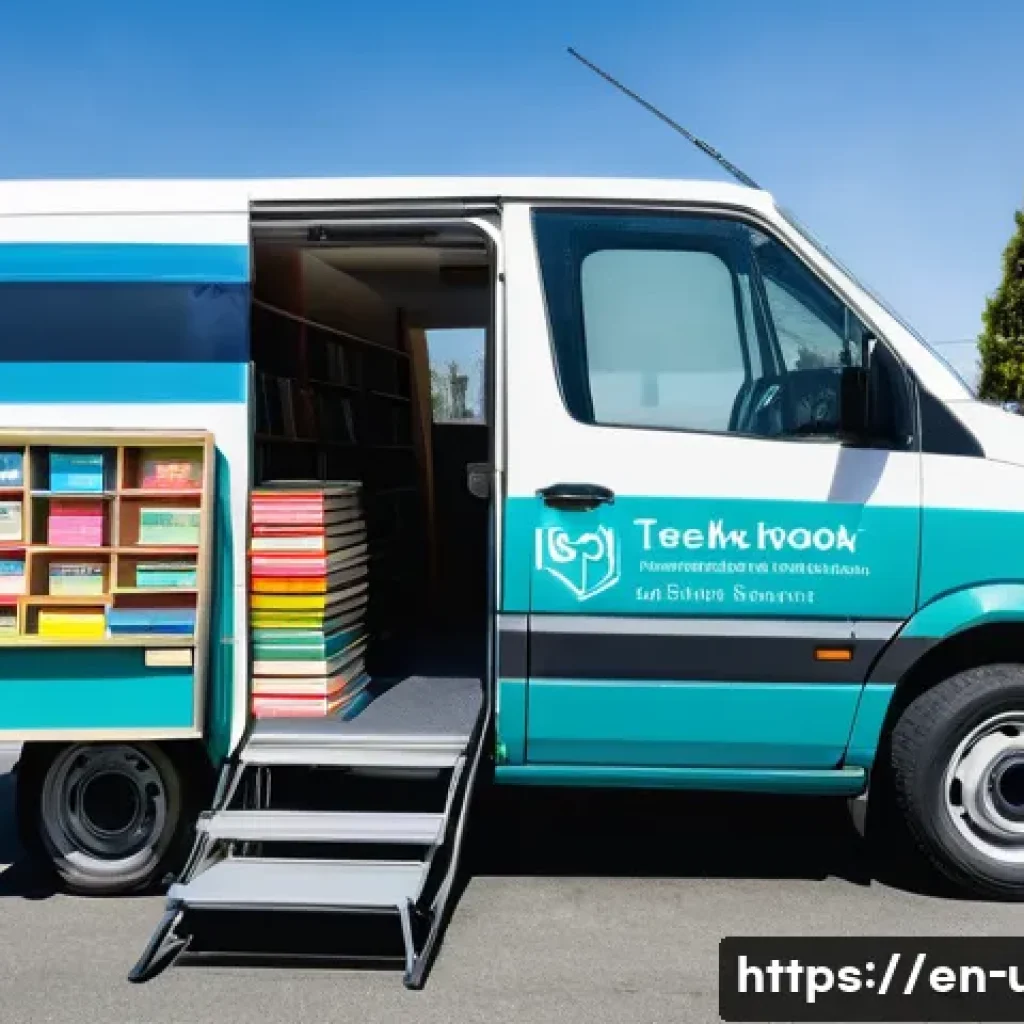
Selecting the right vehicle is the foundation of a successful mobile library. From my experience, a vehicle that’s too small can limit the number of books and resources you carry, while one that’s too large might struggle navigating narrow streets or tight parking spots in urban areas.
I’ve found that mid-sized vans or buses with wheelchair accessibility work best because they strike a balance between capacity and maneuverability. Plus, ensuring the vehicle has a low step or ramp makes it welcoming to all visitors, including those with mobility challenges, which is essential for community inclusiveness.
Outfitting the Interior for Comfort and Functionality
Once the vehicle is chosen, the interior setup plays a critical role. Bookshelves need to be secure to prevent shifting during travel but also easily accessible to visitors.
Installing soft lighting and comfortable seating creates an inviting atmosphere that encourages people to linger and explore. In one project I worked on, adding a small reading nook with cushions made a huge difference in how families engaged with the space.
Don’t forget to allocate room for digital devices or tablets if you plan to offer e-books or interactive learning sessions.
Maintaining and Insuring Your Mobile Library
A well-maintained vehicle is crucial since breakdowns can disrupt your schedule and disappoint eager readers. Regular servicing, tire checks, and keeping a log of maintenance activities save headaches down the line.
Insurance is another must-have; it protects against accidents and theft, which can be costly setbacks. I always recommend budgeting for both routine upkeep and unexpected repairs to keep operations smooth and reliable.
Curating a Diverse and Engaging Collection
Balancing Genres and Age Groups
A mobile library’s collection should reflect the diversity of the communities it serves. From my time volunteering with mobile library programs, I noticed that including a wide range of genres—fiction, non-fiction, graphic novels, and educational materials—helps capture the interests of different age groups and backgrounds.
Children’s picture books, young adult novels, and adult literature should all have dedicated sections. This diversity not only promotes literacy but also fosters a love for reading by meeting people where they are.
Incorporating Multilingual and Culturally Relevant Books
Serving diverse communities means recognizing the languages and cultures represented. Including books in multiple languages or titles that celebrate local heritage can make readers feel seen and valued.
For instance, in neighborhoods with large immigrant populations, offering bilingual books or stories from their countries of origin can boost engagement and create a bridge between cultures.
My experience shows that these efforts lead to increased borrowing and positive word-of-mouth.
Updating and Rotating Titles Regularly
Stale collections can quickly lose appeal. I’ve seen mobile libraries thrive by frequently refreshing their stock with new releases, seasonal themes, and trending topics.
Rotating books also prevents wear and tear from becoming overwhelming and keeps visitors curious about what’s new on each visit. Keeping an inventory system helps track popular titles and identify gaps, ensuring the collection evolves with community interests.
Building Strong Community Connections
Partnering with Local Schools and Organizations
Collaboration is key to expanding reach and impact. When I helped coordinate mobile library visits, partnering with schools, youth centers, and community groups proved invaluable.
These partnerships provide ready-made audiences and often help with promotion, making each visit more successful. Schools especially appreciate the extra resources mobile libraries bring, supporting literacy goals and supplementing classroom materials.
Hosting Interactive Events and Workshops
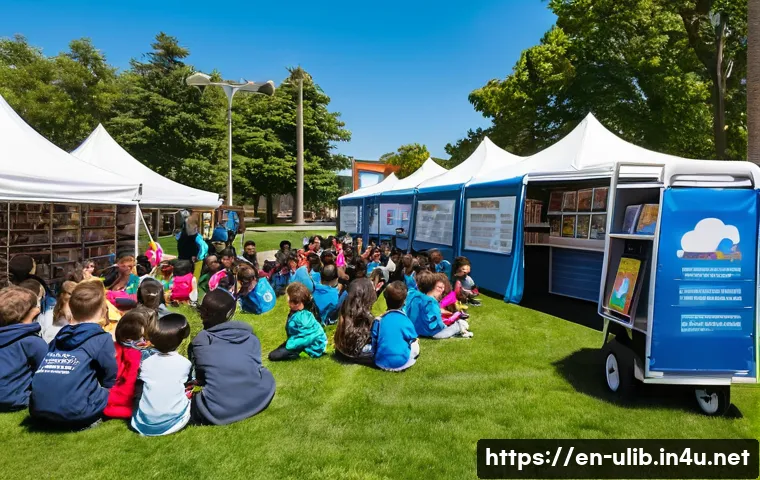
Beyond lending books, engaging activities can turn a mobile library into a community hub. Storytime sessions, author visits, and book clubs create excitement and encourage regular attendance.
I recall organizing a creative writing workshop in a mobile library that attracted teens who hadn’t previously been interested in reading or writing. Such programs build relationships and deepen the community’s connection to the library.
Using Feedback to Tailor Services
Listening to the community’s needs is essential. Conducting surveys or informal chats during visits helped me understand what genres or programs people wanted more of.
This feedback loop increases satisfaction and shows that the library values its patrons. It also helps in identifying underserved groups or neighborhoods, allowing for better-targeted outreach.
Effective Scheduling and Route Planning
Analyzing Community Demographics and Demand
Planning routes based on where the greatest need or interest exists maximizes the library’s impact. I’ve found that starting with demographic research—looking at population density, age distribution, and socio-economic factors—guides smarter scheduling.
For example, rural areas with fewer library branches may require longer but less frequent visits, while urban neighborhoods might benefit from shorter, more frequent stops.
Balancing Frequency and Coverage
Finding the right balance between how often the mobile library visits a location and how many locations it covers can be tricky. From my observations, visiting fewer places more often tends to build stronger relationships and encourages repeat visits, but spreading out too thin risks losing community trust.
It’s a balancing act that often requires adjustment based on initial response and available resources.
Communicating Schedules Clearly
Clear, consistent communication about schedules helps build anticipation and reliability. Posting routes on social media, local bulletin boards, and partnering organizations’ newsletters keeps people informed.
In one project, sending text reminders before visits significantly boosted attendance. Consistency also means avoiding last-minute cancellations unless absolutely necessary, as trust depends on dependability.
Leveraging Technology to Enhance the Mobile Library Experience
Implementing Digital Catalogs and Checkout Systems

Going digital can streamline operations and improve user experience. I’ve seen mobile libraries adopt tablet-based catalogs that allow patrons to search for titles quickly, check availability, and even place holds.
Digital checkout systems reduce paperwork and speed up the borrowing process. While it requires upfront investment and training, the payoff in efficiency and user satisfaction is well worth it.
Offering E-Books and Online Resources
Complementing physical books with e-books and audiobooks broadens access, especially for those who prefer digital formats or have limited storage space at home.
Many mobile libraries now provide Wi-Fi hotspots or loan devices so patrons can explore digital content on-site or remotely. This hybrid approach reflects modern reading habits and meets different learning preferences.
Using Social Media for Engagement and Updates
Social platforms are powerful tools for keeping the community connected. Sharing photos, book recommendations, event announcements, and success stories creates buzz and encourages participation.
When I managed social media for a mobile library, regular posts helped build a loyal following and increased foot traffic during visits. It’s also a great way to gather informal feedback and answer questions in real-time.
Essential Supplies and Staffing Considerations
Equipping Your Team with the Right Tools
Beyond books and vehicles, practical supplies make daily operations smoother. I always recommend carrying portable scanners for quick checkout, first aid kits, and basic cleaning materials to keep the space tidy.
Weather-appropriate gear for outdoor setups, such as tents or umbrellas, ensures service continuity regardless of conditions.
Training and Supporting Staff and Volunteers
Your team is the heart of the mobile library. Training on customer service, literacy promotion, and technology use prepares staff to handle diverse situations confidently.
From personal experience, ongoing support and regular check-ins boost morale and reduce burnout, which is common in such dynamic roles. Encouraging staff to share ideas also fosters a creative, collaborative environment.
Creating a Welcoming Atmosphere
Friendly, approachable staff can make all the difference. People often come back not just for the books but for the positive interactions. I’ve noticed that when staff remember regular visitors’ names or preferences, it builds a sense of community and belonging.
Smiles, patience, and genuine enthusiasm go a long way in making the mobile library a beloved fixture.
Budgeting and Funding Strategies for Sustainability
Estimating Costs and Prioritizing Expenses
Understanding where your money goes is crucial to sustainability. Vehicle purchase or lease, fuel, maintenance, book acquisition, staff salaries, and marketing all add up quickly.
In one of my projects, creating a detailed budget spreadsheet helped identify areas to cut costs without sacrificing quality. Prioritizing spending on community engagement and collection diversity proved most effective in driving usage.
Exploring Grants, Donations, and Sponsorships
Funding a mobile library often requires tapping into multiple sources. Local government grants, nonprofit organizations, and corporate sponsorships are common avenues.
I found that writing clear, impact-focused proposals highlighting community benefits increases chances of success. Hosting fundraising events or partnering with local businesses can also supplement income and raise awareness.
Implementing Revenue-Generating Activities
While many mobile libraries operate on a nonprofit basis, some generate income through workshops, merchandise sales, or membership programs. I once worked with a mobile library that offered paid writing classes, which both supported funding and enriched services.
Balancing revenue activities with free access is important to maintain inclusivity and community trust.
| Aspect | Key Considerations | Practical Tips |
|---|---|---|
| Vehicle Selection | Size, accessibility, maneuverability | Choose mid-sized vans with ramps; ensure regular maintenance |
| Collection Curation | Diversity, multilingual titles, rotation | Include varied genres; update regularly; reflect community languages |
| Community Engagement | Partnerships, events, feedback | Collaborate with schools; host workshops; gather patron input |
| Scheduling | Frequency, route planning, communication | Balance visits; use demographics; communicate clearly |
| Technology | Digital catalogs, e-books, social media | Implement checkout tablets; offer digital content; maintain active social channels |
| Staffing | Training, morale, customer service | Provide ongoing training; foster team spirit; encourage personal connections |
| Funding | Budgeting, grants, revenue | Track expenses; seek diverse funding; consider paid programs |
Closing Thoughts
Choosing the right vehicle and curating a diverse collection are just the beginning of creating a successful mobile library. Building strong community ties and embracing technology enhance the overall experience for visitors. With thoughtful planning and dedicated staff, a mobile library can become a cherished resource that inspires and connects people everywhere.
Useful Tips to Remember
1. Always prioritize accessibility and maneuverability when selecting your vehicle to ensure it serves all community members effectively.
2. Keep your book collection fresh and diverse by regularly rotating titles and including multilingual options to reflect your community’s needs.
3. Collaborate closely with local schools and organizations to expand your reach and create meaningful programming.
4. Use demographic data to plan your routes wisely, balancing visit frequency with coverage to build trust and maximize impact.
5. Leverage digital tools like e-books, online catalogs, and social media to engage patrons and streamline operations.
Key Takeaways for Success
Effective mobile libraries combine thoughtful vehicle choice, a well-curated collection, and strong community engagement to thrive. Consistent scheduling and clear communication build reliability, while technology integration enhances accessibility and user experience. Supporting staff through training and fostering a welcoming atmosphere ensures visitors feel valued. Lastly, sustainable funding through diverse sources keeps the program vibrant and responsive to community needs.
Frequently Asked Questions (FAQ) 📖
Q: What are the key factors to consider when choosing a vehicle for a mobile library?
A: Selecting the right vehicle is crucial for a mobile library’s success. You want something reliable, spacious enough to hold a diverse collection, and easy to maneuver in different environments—whether narrow urban streets or rural dirt roads.
From my experience, vans or small buses work best because they balance capacity with mobility. Additionally, consider the vehicle’s maintenance costs and fuel efficiency to keep operations sustainable.
It’s also helpful to customize the interior with shelves and seating that invite browsing, making the mobile library feel welcoming.
Q: How can a mobile library effectively engage local communities to encourage reading?
A: Engagement goes beyond just parking and lending books. I’ve seen the biggest impact when mobile libraries partner with local schools, community centers, and events to create a vibrant reading culture.
Hosting storytimes, book clubs, or literacy workshops right on the vehicle or nearby can spark excitement. Listening to community interests and curating collections that reflect their culture and needs makes people feel valued and eager to participate.
Word-of-mouth and social media can also amplify awareness, turning occasional visitors into regular patrons.
Q: What challenges should operators expect when running a mobile library, and how can they be overcome?
A: Running a mobile library comes with unique challenges like scheduling routes, managing the book inventory, and dealing with weather conditions. From my hands-on experience, flexibility is key.
Having a well-planned but adaptable schedule helps accommodate unexpected events or low turnout days. Maintaining a digital catalog can streamline tracking loans and returns, reducing lost books.
Weatherproofing the vehicle and planning alternate indoor locations during bad weather also keeps services consistent. Most importantly, building strong relationships with the community creates a support network that helps overcome hurdles together.