Public libraries in the United States have long served as vital community hubs, offering more than just books. From cutting-edge technology access to diverse educational programs, these institutions continually evolve to meet the changing needs of their neighborhoods.
Many have embraced innovative services like digital lending and maker spaces, transforming how people engage with knowledge and creativity. Exploring some of the most renowned public libraries reveals inspiring stories of adaptation and community impact.
Whether you’re a student, a lifelong learner, or just curious, these libraries showcase how public resources can empower everyone. Let’s dive deeper and uncover the remarkable features of these famous American public libraries!
Expanding Access Through Technology
Bridging the Digital Divide
Many public libraries have taken bold steps to ensure that technology is not a barrier but a bridge for their communities. By offering free Wi-Fi, loanable laptops, and tablets, these libraries help individuals who might otherwise struggle to access the internet or digital devices at home.
From my own visits, I’ve noticed how crucial these resources are, especially in underserved neighborhoods where reliable internet can be a luxury. Libraries often partner with local organizations to provide digital literacy workshops, teaching everything from basic computer skills to advanced coding techniques.
This proactive approach doesn’t just level the playing field; it empowers people to thrive in a tech-driven world.
Innovative Digital Lending Programs
The rise of eBooks and audiobooks has revolutionized how patrons consume literature, and libraries have embraced this shift wholeheartedly. Many now offer seamless digital lending platforms, allowing users to borrow books instantly from their smartphones or tablets.
I’ve personally used these services during busy weeks when a physical trip to the library wasn’t feasible, and it’s a game-changer. Beyond books, some libraries provide access to streaming services for documentaries and educational videos, enhancing the range of learning materials available.
These digital libraries often extend their hours virtually, making it convenient for night owls and shift workers alike.
Fostering Creativity with Maker Spaces
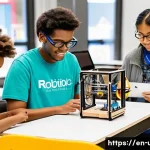
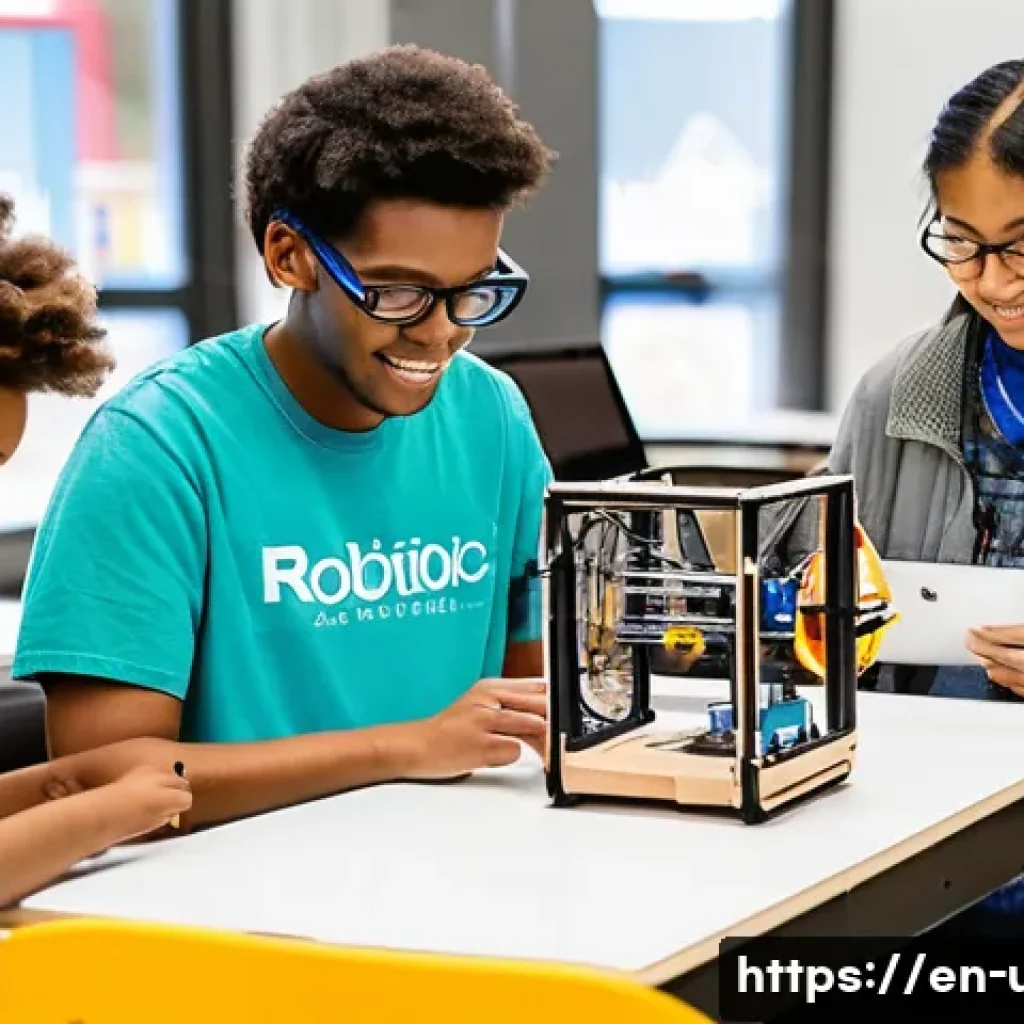
One of the most exciting trends I’ve encountered in public libraries is the introduction of maker spaces. These creative hubs are equipped with 3D printers, laser cutters, sewing machines, and even virtual reality gear.
For community members—from students to entrepreneurs—these spaces offer hands-on opportunities to experiment, prototype, and learn new skills. I’ve seen how these tools spark innovation, whether it’s a teenager designing a robotics project or a local artist crafting unique pieces.
Maker spaces represent a dynamic shift in libraries from passive book repositories to active centers of creation and collaboration.
Community Engagement and Educational Outreach
Tailored Programs for Diverse Audiences
Public libraries understand that their communities are rich tapestries of cultures, ages, and interests. To serve everyone, they design specialized programs that reflect this diversity.
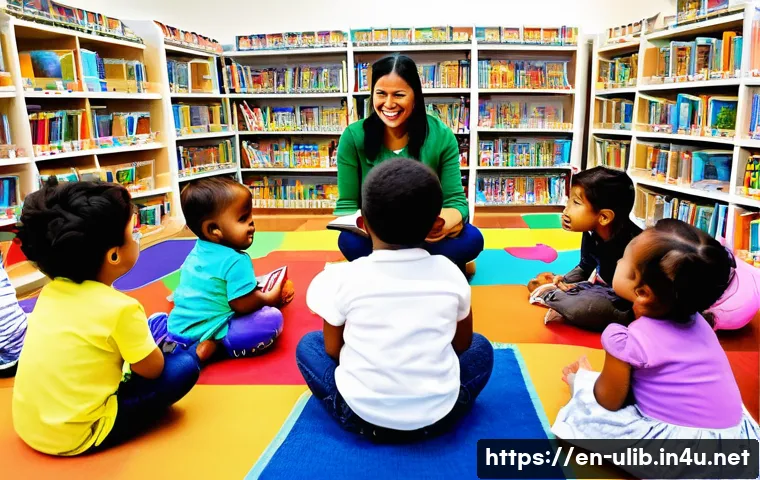
For example, storytimes for toddlers often incorporate bilingual books and songs, helping young children from immigrant families develop language skills.
Meanwhile, adult education classes might focus on citizenship preparation, resume writing, or financial literacy. From my experience volunteering at local libraries, these tailored programs build trust and create a welcoming atmosphere for all, reinforcing the library’s role as a true community anchor.
Partnerships with Local Schools and Organizations
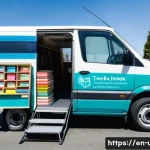
Libraries don’t operate in isolation; they actively collaborate with schools, nonprofits, and government agencies to amplify their impact. These partnerships enable libraries to extend their reach beyond their walls, offering mobile book vans, homework help centers, and summer reading challenges that keep kids engaged year-round.
I’ve witnessed how these alliances create a seamless support network for learners of all ages, promoting lifelong education. Such collaborations also help libraries secure funding and resources, enabling them to innovate and expand their services continuously.
Hosting Events That Bring People Together
From author talks to cultural festivals, public libraries host a wide array of events that foster community spirit and dialogue. These gatherings often become cherished traditions, drawing diverse crowds and sparking meaningful conversations.
On several occasions, I’ve attended library-hosted panel discussions on topics like local history or environmental issues, which provided a platform for residents to voice their opinions and connect with neighbors.
These events underscore how libraries serve not just as educational centers but as vibrant social spaces where ideas and friendships flourish.
Preserving Heritage and Promoting Local Culture
Archiving Community History
Many public libraries serve as guardians of local history, maintaining archives filled with photographs, newspapers, and oral histories that capture the unique stories of their regions.
These collections provide invaluable resources for researchers, students, and anyone curious about their roots. I’ve spent hours exploring digital archives at my hometown library, uncovering fascinating tidbits about past generations and historic landmarks.
This commitment to preservation helps communities maintain a strong sense of identity and continuity amid rapid change.
Showcasing Art and Literature
Libraries often function as informal galleries and performance venues, showcasing works by local artists, poets, and musicians. These exhibitions and readings celebrate creativity and encourage community pride.
I recall attending a poetry slam at a neighborhood library where emerging voices shared their stories with enthusiastic audiences. Supporting local talent in this way enriches the cultural fabric and makes art accessible to everyone, regardless of socioeconomic status.
Encouraging Multilingual Resources
Recognizing the multilingual makeup of many American neighborhoods, libraries stock materials in multiple languages and offer language learning classes.
This inclusivity fosters cross-cultural understanding and helps non-English speakers integrate more easily. From my observation, having access to books and resources in one’s native language can be deeply comforting and empowering, especially for recent immigrants navigating a new environment.
Innovations in Library Design and Sustainability
Architectural Spaces That Inspire
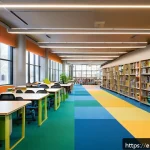
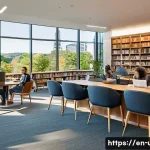
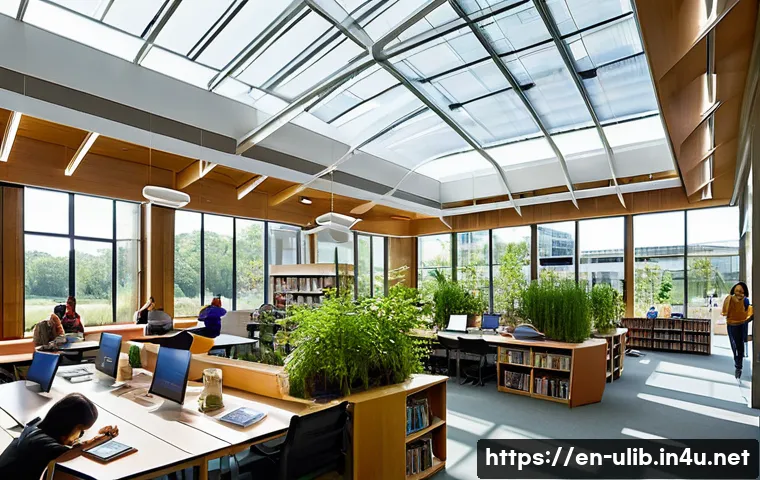
Modern public libraries are often architectural marvels designed to inspire creativity and community interaction. Open floor plans, natural lighting, and flexible seating encourage collaboration and comfort.
During a visit to a recently renovated library, I was struck by how the space invited people to linger, study, and socialize. Thoughtful design also incorporates quiet zones and tech hubs, catering to different needs.
These environments transform libraries into welcoming sanctuaries in busy urban landscapes.
Green Initiatives and Eco-Friendly Features
Sustainability has become a key focus for many libraries aiming to reduce their environmental footprint. Solar panels, green roofs, and energy-efficient lighting are common features in new or retrofitted buildings.
I appreciate how these efforts demonstrate libraries’ commitment not only to education but also to stewardship of the planet. Hosting workshops on topics like urban gardening or recycling further connects the library’s mission to real-world environmental challenges.
Flexible Spaces for Changing Needs
The best libraries recognize that community needs evolve, so they design spaces that can be easily adapted for various uses. Movable furniture, modular rooms, and multipurpose areas allow libraries to host everything from quiet study sessions to lively workshops and public meetings.
I’ve noticed how this flexibility makes libraries resilient institutions, ready to support shifting trends and emergencies, such as serving as vaccination sites or emergency shelters when necessary.
Supporting Career Development and Entrepreneurship
Job Search Assistance and Skill Building
Many libraries have stepped up as vital resources for job seekers, offering resume clinics, interview coaching, and access to job databases. When I helped a friend prepare for a career transition, the library’s free workshops and one-on-one counseling made a tangible difference.
These services often include specialized programs for veterans, seniors, and young adults, ensuring tailored support. By equipping individuals with the tools to succeed professionally, libraries actively contribute to economic mobility.
Entrepreneurial Resources and Networking
Startups and small business owners increasingly rely on public libraries for affordable meeting spaces, market research databases, and mentorship programs.
From personal experience, I’ve seen how these resources provide critical support during the early, uncertain stages of business development. Libraries may also host pitch nights and networking events that connect entrepreneurs with potential investors and collaborators, fostering a vibrant local economy.
Access to Professional Certification and Online Courses
To further support career growth, many libraries offer access to online learning platforms such as LinkedIn Learning, Coursera, and others, often providing free certificates upon course completion.
This can be a game-changer for those who can’t afford traditional education or need flexible schedules. I’ve personally recommended these resources to friends seeking to upskill without breaking the bank, and the feedback has been overwhelmingly positive.
Enhancing Literacy and Lifelong Learning
Early Childhood Literacy Programs
Libraries recognize that fostering a love for reading starts young. Programs like “Storytime,” “Read to a Dog,” and early literacy workshops are designed to engage children and their caregivers.
I’ve seen firsthand how these activities not only build foundational skills but also strengthen family bonds. These programs often include take-home materials and parenting tips, creating a supportive learning environment beyond library walls.
Adult Learning and Book Clubs
Lifelong learning is a cornerstone of library missions, with many offering book clubs, language conversation groups, and lecture series. These initiatives provide social connection alongside intellectual stimulation.
I’ve participated in several book clubs where the diversity of perspectives enriched our discussions, making reading a more interactive and enjoyable experience.
Such programs help combat social isolation and encourage continuous personal growth.
Specialized Resources for Different Learning Styles
Understanding that people absorb information differently, libraries provide a range of formats including large print books, audiobooks, and tactile learning materials.
Accessibility services for patrons with disabilities ensure equitable access. I recall a friend with visual impairment praising the library’s extensive audiobook collection, which opened up new worlds for her.
This commitment to inclusivity ensures that learning opportunities truly reach everyone.
| Library Feature | Description | Community Impact |
|---|---|---|
| Digital Lending | Instant access to eBooks and audiobooks through apps | Increases convenience and access for busy or remote users |
| Maker Spaces | Workshops and tools for hands-on creation like 3D printing | Encourages innovation and skill development |
| Multilingual Resources | Books and programs in multiple languages | Supports diverse populations and language learners |
| Career Services | Job search help, resume workshops, and online courses | Enhances employment opportunities and economic mobility |
| Community Events | Author talks, cultural festivals, and discussion panels | Fosters social cohesion and cultural awareness |
Closing Thoughts
Public libraries have transformed into dynamic hubs that do much more than lend books. Through innovative technology, community engagement, and inclusive programs, they continue to empower individuals and strengthen neighborhoods. Experiencing these changes firsthand reveals just how vital libraries remain in our evolving world.
Useful Information to Keep in Mind
1. Many libraries now offer digital lending platforms, making it easy to access eBooks and audiobooks anytime, anywhere.
2. Maker spaces provide hands-on learning opportunities with cutting-edge tools like 3D printers, fostering creativity and innovation.
3. Multilingual materials and language classes help build bridges in diverse communities and support new language learners.
4. Career services including resume help and online courses equip job seekers with essential skills for today’s workforce.
5. Community events such as author talks and cultural festivals create meaningful connections and celebrate local culture.
Key Takeaways
Modern libraries serve as vital community centers by integrating technology, education, and cultural preservation. They adapt flexibly to meet changing needs, support lifelong learning, and foster economic and social growth. Embracing inclusivity and sustainability, libraries remain essential resources that enrich lives and empower all members of society.
Frequently Asked Questions (FAQ) 📖
Q: What kinds of innovative services do public libraries in the United States offer beyond traditional book lending?
A: Many public libraries have expanded far beyond just lending books. They now provide access to cutting-edge technology like 3D printers and virtual reality equipment, offer digital lending services for e-books and audiobooks, and create maker spaces where community members can collaborate on creative projects.
These services help bridge the digital divide and foster creativity, making libraries dynamic centers for learning and innovation.
Q: How do public libraries support lifelong learning and community engagement?
A: Public libraries host a wide variety of educational programs tailored to all ages and interests—from language classes and job search workshops to coding boot camps and art exhibits.
They often collaborate with local organizations to address community needs, making them valuable hubs for connection and personal growth. Personally, I’ve seen how attending a library’s free workshop can open up new opportunities and spark curiosity in unexpected ways.
Q: Are public libraries in the U.S. accessible to everyone, and what makes them inclusive?
A: Absolutely, public libraries pride themselves on being welcoming spaces for all. Most offer free memberships, ADA-compliant facilities, and resources for non-English speakers or individuals with disabilities.
Many also provide outreach services, like mobile libraries or home delivery for seniors, ensuring that no one is left out. From my experience, the warmth and inclusivity of library staff make these places feel like a second home for diverse communities.