Libraries are evolving faster than ever, becoming vibrant hubs for innovation and community engagement. With the International Federation of Library Associations highlighting key trends, it’s clear that the future of libraries is intertwined with technology, inclusivity, and digital transformation.
Whether you’re a book lover or a tech enthusiast, these shifts promise to redefine how we access knowledge and connect with one another. Let’s dive into the exciting developments shaping tomorrow’s libraries and discover what they mean for all of us.
Embracing Digital Innovation in Modern Libraries
Integrating Smart Technologies for Seamless Access
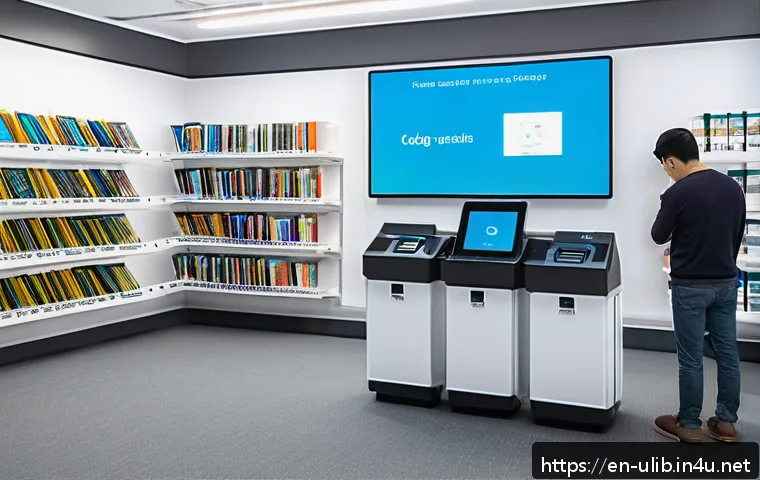
The rise of smart technologies has completely transformed how we interact with libraries. From self-checkout kiosks to AI-powered recommendation systems, these tools streamline user experiences and reduce wait times.
I’ve noticed that when visiting my local library, the digital catalog and mobile apps make finding and reserving books effortless, even on the go. These innovations don’t just enhance convenience; they also open doors for users who may have mobility issues or limited time, making knowledge more accessible than ever before.
Virtual Reality and Augmented Reality Experiences
Virtual and augmented reality are no longer confined to gaming or entertainment—they’re making meaningful inroads into library programming. Some libraries have started offering VR stations where visitors can explore historical sites, dive into immersive storytelling, or engage in educational simulations.
Having tried one of these VR setups, I was genuinely impressed by how it brought a new dimension to learning, sparking curiosity in both kids and adults.
It’s an exciting way to blend technology with traditional library functions, attracting a broader audience.
Cloud-Based Resources and Remote Learning
The cloud has become a backbone for modern library systems, enabling remote access to vast collections of e-books, journals, and multimedia content. This shift has been especially important during times when physical visits are limited.
Personally, I’ve relied on cloud-based services to continue my research and leisure reading without interruption. Libraries now offer virtual workshops and live webinars, making lifelong learning more flexible and inclusive.
It’s remarkable how this digital pivot has expanded the library’s reach far beyond its physical walls.
Building Inclusive Spaces for Diverse Communities
Accessibility as a Core Library Value
Creating spaces that welcome everyone is no longer optional; it’s essential. Modern libraries are reimagining their layouts and services to accommodate individuals with disabilities, varying language backgrounds, and different learning preferences.
For example, I’ve seen libraries invest in braille collections, sign language programs, and multilingual materials, which demonstrate a sincere commitment to equity.
These efforts foster a sense of belonging and ensure that knowledge is truly democratized.
Programs That Reflect Community Needs
Libraries are becoming cultural hubs that reflect and celebrate the unique makeup of their communities. From hosting cultural festivals to offering specialized workshops on topics like digital literacy or job training, libraries are tailoring their services to local interests.
I remember attending a coding class at a neighborhood library that was specifically designed for teens from underrepresented groups. This approach not only empowers individuals but also strengthens community bonds by addressing real-world challenges.
Safe and Welcoming Environments
Safety and comfort are crucial for encouraging people to spend time in libraries. Many have adopted policies and designs that prioritize mental health, privacy, and inclusivity.
Quiet zones, meditation spaces, and gender-neutral restrooms are becoming common features. From my own visits, these thoughtful touches create an atmosphere where everyone feels respected and valued, promoting longer visits and deeper engagement.
Expanding Collaborative Partnerships and Networks
Connecting with Educational Institutions
Libraries are forging stronger ties with schools, colleges, and universities to enhance learning outcomes. These partnerships often include shared resources, co-hosted events, and joint research initiatives.
I’ve seen firsthand how collaborative efforts can enrich library collections with academic materials and provide students with expert guidance. This synergy helps bridge gaps between formal education and public learning, making knowledge more comprehensive and accessible.
Engaging with Tech Companies and Startups
To stay ahead in the digital age, many libraries are partnering with tech firms and startups. These collaborations often bring cutting-edge tools, workshops on emerging technologies, and innovation labs into the library space.
I attended a maker-space event where a local startup demonstrated 3D printing technology—an experience that was both educational and inspiring. These alliances not only modernize libraries but also stimulate local innovation ecosystems.
Community-Led Initiatives and Volunteer Networks
Community involvement is a cornerstone of library success. Volunteer programs and grassroots projects enable residents to contribute skills and ideas, creating a shared sense of ownership.
I volunteered at a library’s storytelling program and witnessed how local voices enrich the narrative fabric of the space. These initiatives promote sustainability and ensure libraries remain responsive to the evolving needs of their patrons.
Reimagining Library Spaces for Multifunctional Use
Flexible Layouts for Dynamic Activities
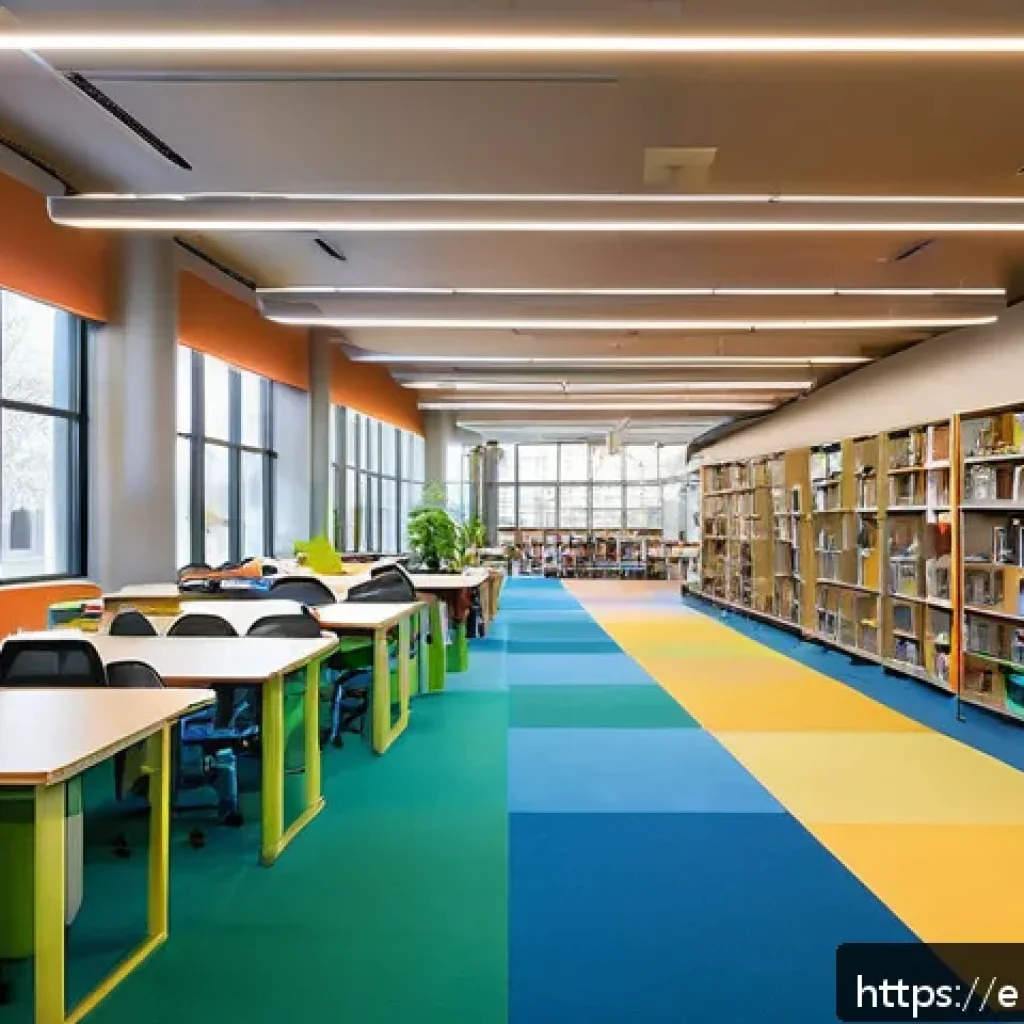
Gone are the days when libraries were just rows of shelves and reading desks. Today, spaces are designed to be adaptable, supporting everything from quiet study to group collaboration and community events.
At a recent visit, I noticed movable furniture and modular rooms that could be quickly reconfigured, which made the environment feel vibrant and user-centric.
This flexibility encourages diverse uses, making the library a true community hub.
Incorporating Green and Sustainable Design
Sustainability has become a priority in library construction and renovation projects. Many libraries now feature eco-friendly materials, energy-efficient lighting, and green roofs.
I once toured a library that incorporated natural light and indoor plants extensively, creating a refreshing atmosphere that also reduces environmental impact.
This focus on sustainability aligns libraries with broader societal goals and demonstrates responsible stewardship.
Spaces for Creativity and Making
Makerspaces and creative labs are popping up in libraries, offering tools and resources for art, technology, and DIY projects. These areas provide hands-on learning opportunities that complement traditional research.
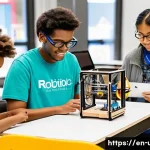
I spent an afternoon at a library’s maker lab experimenting with robotics kits, which was not only fun but also expanded my understanding of STEM concepts.
Such spaces foster innovation and empower patrons to develop new skills.
Leveraging Data and Analytics for User-Centric Services
Understanding Patron Behavior and Preferences
Data analytics is helping libraries tailor their offerings more effectively. By analyzing borrowing patterns, event attendance, and digital resource usage, libraries gain insights into what their users want.
From what I’ve observed, this approach leads to more personalized recommendations and better resource allocation. It’s like having a library that intuitively understands your interests and adapts accordingly.
Improving Operational Efficiency
Behind the scenes, data-driven decision-making streamlines workflows and reduces costs. Automation of cataloging, inventory management, and user services frees staff to focus on higher-value interactions.
I’ve noticed that libraries using analytics often run smoother and respond faster to community needs, enhancing overall satisfaction.
Ensuring Privacy and Ethical Use of Data
With increased data collection comes the responsibility to protect user privacy. Libraries are pioneering ethical frameworks that balance personalization with confidentiality.
From my conversations with librarians, there’s a strong commitment to transparency and safeguarding patron information. This trust is vital for maintaining a welcoming environment where users feel safe to explore knowledge freely.
Expanding Access Through Mobile and Outreach Services
Mobile Libraries Bringing Books to Doorsteps
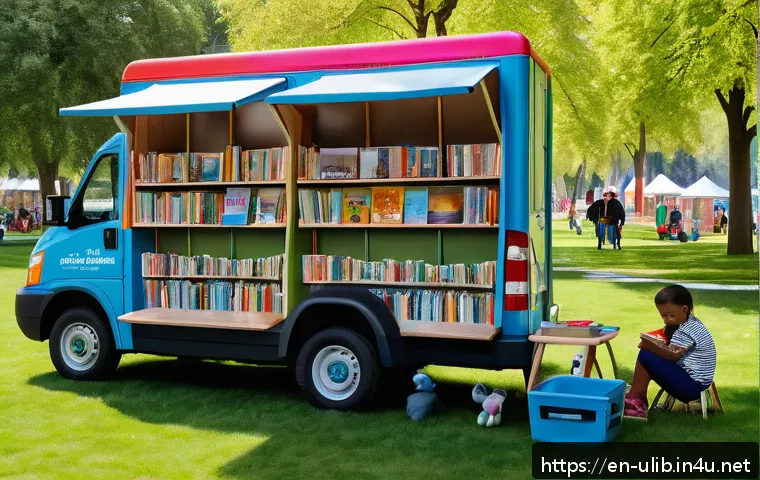
Bookmobiles and mobile library services are evolving to meet people where they are, especially in underserved or rural areas. These mobile units offer not just books but also internet access, educational programs, and technology lending.
I’ve had the chance to visit a bookmobile event, and it’s heartwarming to see how these services bridge gaps and foster a love of reading in communities with limited resources.
Pop-Up Libraries and Temporary Installations
Pop-up libraries are creative ways to extend library presence into public spaces like parks, shopping centers, and festivals. These temporary setups attract new users by providing easy access and fun programming.
I once stumbled upon a pop-up library at a local fair, and the casual atmosphere made it inviting for families and casual readers alike. It’s a brilliant strategy to raise awareness and engagement.
Outreach Programs for Marginalized Groups
Targeted outreach initiatives focus on reaching marginalized populations such as the elderly, immigrants, and homeless individuals. These programs provide tailored services, including literacy classes, health information, and social support.
Volunteering in one such outreach, I witnessed how personalized attention can make a profound difference, transforming lives through connection and empowerment.
| Trend | Key Features | Impact on Users | Examples |
|---|---|---|---|
| Digital Innovation | AI tools, VR/AR, cloud access | Enhanced convenience, immersive learning, remote access | Self-checkout kiosks, VR storytelling, online workshops |
| Inclusivity | Accessible design, multilingual resources, safe spaces | Equitable access, community belonging, comfort | Braille collections, sign language programs, quiet zones |
| Collaborations | Partnerships with schools, tech firms, volunteers | Resource sharing, innovation, community engagement | Joint research, maker labs, storytelling programs |
| Space Redesign | Flexible layouts, sustainable materials, makerspaces | Dynamic use, eco-friendly environment, creative learning | Modular rooms, green roofs, robotics kits |
| Data Utilization | Analytics, automation, privacy policies | Personalized services, operational efficiency, trust | Borrowing pattern analysis, ethical data use |
| Mobile Outreach | Bookmobiles, pop-up libraries, targeted programs | Expanded reach, community connection, tailored support | Mobile libraries, park pop-ups, literacy outreach |
In Conclusion
Modern libraries are evolving at an incredible pace by embracing digital innovation, fostering inclusivity, and expanding community partnerships. These changes not only enhance user experiences but also ensure that libraries remain vital, accessible, and relevant spaces for everyone. From smart technologies to welcoming environments, the future of libraries looks bright and full of possibilities.
Useful Information to Keep in Mind
1. Digital tools like AI and VR are revolutionizing how we access and engage with library resources, making learning more interactive and convenient.
2. Inclusive design and programs ensure that libraries serve diverse communities, breaking down barriers related to accessibility and language.
3. Collaborations with educational institutions, tech companies, and volunteers enrich library offerings and foster innovation.
4. Flexible and sustainable library spaces support a wide range of activities, encouraging creativity and environmental responsibility.
5. Mobile and outreach services extend the library’s reach, connecting with underserved populations through tailored programs and pop-up initiatives.
Key Takeaways
Libraries today are much more than just places to borrow books—they are dynamic community centers driven by technology, inclusivity, and collaboration. Embracing data analytics enhances service personalization and operational efficiency while maintaining user privacy. Flexible spaces and mobile outreach programs further broaden access and engagement. Ultimately, modern libraries are committed to creating welcoming environments that empower all users to learn, create, and connect.
Frequently Asked Questions (FAQ) 📖
Q: uestions about the Future of LibrariesQ1: How are libraries integrating technology to enhance user experience?
A: Libraries today are embracing cutting-edge technology to transform how visitors access and interact with information. From offering digital lending services and virtual reality experiences to implementing AI-driven catalog systems, these innovations make research faster and more engaging.
Personally, I’ve noticed that libraries with self-checkout kiosks and mobile apps significantly reduce wait times, making visits smoother and more convenient for everyone.
Q: What steps are libraries taking to promote inclusivity and community engagement?
A: Inclusivity is at the heart of modern library initiatives. Many libraries now host programs tailored for diverse age groups, cultural backgrounds, and differently-abled individuals.
For example, I attended a storytelling event designed for children with sensory sensitivities, which was both thoughtful and impactful. Libraries also partner with local organizations to provide language classes, job training, and safe community spaces, fostering a sense of belonging and support.
Q: In what ways is digital transformation changing traditional library services?
A: Digital transformation is redefining the role of libraries beyond just book lending. Online databases, e-books, and remote access to archives allow users to explore resources from anywhere at any time.
When I started using my local library’s digital platform, I found it incredibly helpful to access rare documents without physically visiting the building.
This shift not only broadens access but also enables libraries to serve a more global audience while preserving valuable information digitally.