In today’s fast-paced digital world, capturing attention can be a real challenge—especially when it comes to reading. That’s why storytelling libraries are making waves, transforming how people of all ages engage with books.
These innovative spaces don’t just offer stories; they unlock imagination and bring narratives to life in ways that traditional libraries never could.
Whether you’re a parent looking to inspire your child or an adult craving a fresh way to experience literature, this revolution in storytelling is reshaping the reading landscape.
Let’s dive into how these creative hubs are changing the game and why they might just be the key to rekindling your love for reading.
Transforming Reading Spaces into Interactive Story Worlds
Creating Immersive Environments for Readers
One of the standout features of modern storytelling libraries is how they turn reading areas into immersive environments. Imagine walking into a room where the walls are adorned with murals depicting scenes from beloved tales or where props and themed seating invite visitors to step into the story itself.
This sensory engagement goes beyond just reading words on a page—it pulls readers into the narrative, making the experience vivid and memorable. For kids, this can be especially powerful, as the combination of visuals, sounds, and tactile elements helps build a deeper connection to the story.
Adults, too, find this refreshing, as it revives the magic of reading that sometimes fades in the digital age.
Interactive Storytelling Sessions
Unlike traditional quiet libraries, storytelling libraries often host live reading sessions where narrators bring characters to life with dynamic voices, sound effects, and even audience participation.
These sessions transform passive reading into an active experience. I’ve personally attended several of these events, and the energy in the room is contagious—children eagerly raise their hands to answer questions or mimic character actions, while adults rediscover the joy of being fully present with a story.
This interactivity not only makes the stories more engaging but also helps improve listening skills and imagination.
Technology Integration to Enhance Narratives
Many storytelling libraries embrace technology to enrich the reading experience. Augmented reality apps, for example, can animate illustrations in books, or QR codes may link to audio narrations and background music that align with the story’s mood.
These digital tools offer a multi-layered approach to storytelling that appeals to tech-savvy readers. From my experience, blending traditional reading with digital enhancements makes the content more accessible and entertaining, especially for reluctant readers who might otherwise lose interest.
Fostering Community Connections Through Stories
Storytelling as a Social Experience
Storytelling libraries are not just about individual reading—they’re hubs for community bonding. Regular storytelling events bring together families, neighbors, and friends, fostering a shared love for literature.
This communal aspect helps combat the isolation that can come from digital media overuse. I’ve noticed that people often leave these sessions chatting about the stories or recommending books to each other, building a sense of belonging that extends beyond the library walls.
Programs Tailored for Diverse Audiences
Another impressive aspect is how these libraries design programs to meet the needs of various groups—young children, teenagers, adults, and even seniors.
For instance, toddler story hours focus on sensory and language development, while teen book clubs encourage critical discussions and creative projects.
Some libraries even host multilingual storytelling sessions to reflect their community’s cultural diversity. This inclusivity strengthens the library’s role as a welcoming space for everyone, regardless of age or background.
Supporting Literacy and Lifelong Learning
Beyond entertainment, storytelling libraries actively promote literacy by providing resources that support reading skills development. Workshops on storytelling techniques, creative writing classes, and reading challenges motivate visitors to engage more deeply with literature.
Based on what I’ve seen, these initiatives significantly boost confidence and foster a lifelong love of reading, helping people of all ages become more comfortable and enthusiastic readers.
Designing Spaces That Inspire Creativity and Imagination
Flexible and Inviting Layouts
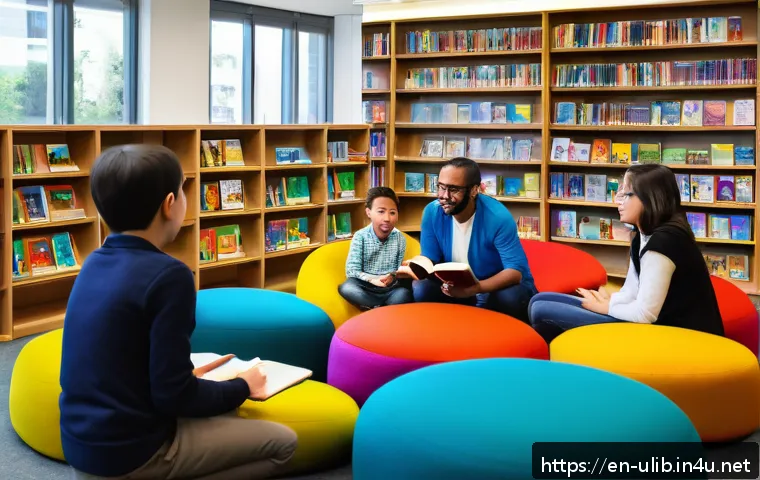
The physical design of storytelling libraries plays a crucial role in encouraging exploration and creativity. Unlike the rigid shelves-and-desks setup of traditional libraries, these spaces often feature cozy nooks, colorful cushions, and modular furniture that can be rearranged for different activities.
This flexibility invites visitors to create their own reading or storytelling environment, whether it’s a quiet corner for solo reading or an open area for group storytelling.
From my visits, I’ve found that this freedom of space sparks imagination and makes the library feel more like a creative playground.
Incorporating Art and Maker Spaces
Many storytelling libraries integrate art and maker spaces where visitors can create their own stories through crafts, drawing, or digital media. This hands-on approach allows readers to become storytellers themselves, turning inspiration into tangible projects.
I recall a workshop where children illustrated their own storybooks and shared them with peers, which not only built confidence but also deepened their understanding of narrative structure and character development.
Encouraging Exploration Through Themed Collections
Themed book collections are another creative strategy used to spark curiosity. Whether it’s a “Space Adventures” section with related science kits or a “Fairy Tale Forest” corner with costumes and puppets, these curated collections invite visitors to dive deeper into specific genres or topics.
This thematic approach makes browsing feel like an adventure, often leading readers to discover new interests and genres they might not have explored otherwise.
Bridging Generations with Shared Story Experiences
Intergenerational Storytelling Events
Storytelling libraries often host events that bring multiple generations together, such as grandparents reading to grandchildren or family storytelling nights.
These occasions create powerful bonds through shared narratives, allowing older adults to pass down stories and traditions while younger generations offer fresh perspectives.
From my observations, these interactions are incredibly heartwarming and help preserve cultural heritage in a natural, engaging way.
Story Circles and Oral Traditions

Many libraries encourage story circles where participants take turns sharing personal stories or folktales, reviving oral storytelling traditions. This practice not only nurtures listening and speaking skills but also strengthens community ties.
I’ve participated in such circles and found them deeply rewarding—there’s something uniquely intimate about hearing real-life stories that connect us to one another beyond written words.
Building Empathy Through Diverse Narratives
When people from different age groups and backgrounds share stories, it promotes empathy and understanding. Storytelling libraries curate diverse books and invite storytellers from various cultures to broaden perspectives.
This exposure to different life experiences helps break down stereotypes and build compassion, something I believe is crucial in today’s divided world.
Innovative Approaches to Engaging Reluctant Readers
Gamification of Reading
To capture the interest of reluctant readers, many storytelling libraries incorporate gamification elements—such as reading challenges, scavenger hunts, and reward systems.
These fun, game-like incentives motivate readers to pick up books and stay engaged. From my experience working with young readers, turning reading into a playful activity significantly reduces resistance and builds positive reading habits.
Personalized Story Recommendations
Personalization is key in making stories appealing. Storytelling libraries often use surveys or one-on-one chats to recommend books that align with individual interests, reading levels, and learning styles.
This tailored approach makes readers feel seen and valued, increasing the likelihood that they’ll return and continue exploring literature.
Utilizing Multimedia Story Formats
For those who struggle with traditional reading, multimedia formats like audiobooks, graphic novels, and interactive e-books offer alternative pathways into stories.
Storytelling libraries frequently provide access to these formats, helping readers find the method that works best for them. I’ve seen firsthand how audiobooks, combined with visual aids, can open up new worlds for learners who might otherwise be discouraged by text-heavy books.
Measuring the Impact of Storytelling Libraries
Tracking Engagement and Literacy Growth
Evaluating the success of storytelling libraries goes beyond counting visitors. Many institutions implement tools to track engagement levels, reading frequency, and literacy improvements over time.
This data helps tailor programs to better meet community needs and demonstrate value to funders. In my visits, I’ve noticed that libraries sharing success stories and statistics build stronger support networks and attract more resources.
Feedback Loops from Participants
Regular feedback from visitors—including children, parents, and educators—is crucial for continuous improvement. Storytelling libraries often use surveys, focus groups, and informal conversations to gather insights on what works and what could be enhanced.
I’ve found that this open communication fosters trust and makes the library feel like a collaborative community space.
Long-Term Benefits for Communities
Beyond immediate enjoyment, storytelling libraries contribute to long-term educational and social benefits. Improved literacy rates, stronger community bonds, and increased cultural awareness are just a few outcomes.
These benefits ripple outward, supporting healthier, more connected communities. From my perspective, investing in storytelling libraries is investing in the future.
| Feature | Benefit | Example |
|---|---|---|
| Immersive Environments | Enhances engagement and memory retention | Themed rooms with murals and props |
| Interactive Story Sessions | Boosts listening skills and active participation | Live storytelling with sound effects |
| Technology Integration | Appeals to digital natives and reluctant readers | AR apps animating book illustrations |
| Community Programs | Builds social bonds and inclusivity | Multilingual story hours |
| Creative Spaces | Encourages imagination and self-expression | Maker spaces for crafting personal stories |
| Intergenerational Events | Preserves culture and fosters empathy | Family storytelling nights |
| Gamification | Motivates reluctant readers | Reading challenges with rewards |
| Personalized Recommendations | Increases reader satisfaction and retention | One-on-one book suggestion sessions |
In Conclusion
Transforming traditional reading spaces into interactive story worlds revitalizes the joy of literature for all ages. By blending immersive environments, technology, and community engagement, storytelling libraries create meaningful experiences that inspire imagination and connection. These innovative approaches not only foster a love for reading but also build stronger, more inclusive communities.
Helpful Information to Keep in Mind
1. Immersive storytelling environments enhance engagement by appealing to multiple senses, making stories unforgettable.
2. Interactive reading sessions encourage active participation and improve listening and comprehension skills.
3. Integrating technology like AR and multimedia formats attracts reluctant readers and modernizes the reading experience.
4. Community-focused programs and intergenerational events strengthen social bonds and cultural understanding.
5. Personalized book recommendations and gamification strategies motivate continued reading and foster positive habits.
Key Takeaways
Storytelling libraries are more than just places to borrow books—they are dynamic spaces that nurture creativity, empathy, and lifelong learning. Their innovative designs and inclusive programs successfully engage diverse audiences, making reading an active, shared experience. Embracing technology and community involvement ensures these libraries remain relevant and impactful in today’s fast-paced, digital world.
Frequently Asked Questions (FAQ) 📖
Q: What exactly is a storytelling library, and how is it different from a traditional library?
A: A storytelling library is a dynamic space designed to bring stories to life through interactive experiences rather than just offering books on shelves.
Unlike traditional libraries that focus mainly on lending books, storytelling libraries use multimedia, live readings, workshops, and creative displays to engage visitors.
This hands-on approach helps spark imagination and makes reading a more immersive and memorable activity for all ages.
Q: How can storytelling libraries benefit children and encourage their love for reading?
A: Storytelling libraries create an inviting environment where children can connect with stories beyond the written word. By incorporating activities like puppet shows, dramatizations, and sensory experiences, these spaces make narratives exciting and accessible.
From my own visits, I’ve seen kids who usually struggle with sitting down to read suddenly become eager participants, discovering that stories can be fun, interactive adventures rather than just pages to turn.
Q: Are storytelling libraries suitable for adults, or are they mainly for kids?
A: Absolutely, storytelling libraries offer plenty for adults too! Many of these libraries host events like book clubs, live storytelling nights, and creative writing workshops tailored for grown-ups.
I’ve personally found that attending a storytelling event helped me rediscover my passion for literature by connecting with stories in a fresh, communal way.
These spaces encourage adults to experience books through different lenses, breaking the routine of solitary reading and adding a social, creative twist.