You know, there’s just something truly magical about stumbling upon a good book, isn’t there? But lately, our whole concept of *where* that discovery happens has been utterly transformed.
Forget the traditional, sometimes intimidating, hushed halls of old-school libraries. I’m talking about vibrant, temporary spaces that literally pop up in the most unexpected places—think lively market squares, bustling community centers, or even serene parks.
Seriously, have you noticed the exciting rise of pop-up libraries? It’s far more than just a fleeting trend; it’s a brilliant, dynamic fusion of community, culture, and pure convenience, bringing the joy of books and essential resources right to where people are already gathering and living their lives.
I’ve personally had the chance to visit a few of these, and honestly, the energy is absolutely infectious. It feels like a much-needed breath of fresh air for our beloved literary world, perfectly bridging the gap between our fast-paced digital lives and the timeless, tangible pleasure of holding a physical book in our hands.
This innovative approach is fundamentally changing how we interact with literature and connect with one another, making knowledge and captivating stories more accessible and exciting than I ever thought possible.
So, if you’re as intrigued as I am about how these incredible spaces are redefining reading for the modern age and fostering a stronger sense of community, let’s explore this further.
The Unexpected Charm of Mobile Book Nooks

You know, there’s just something incredibly inviting about a pop-up library, isn’t there? It’s not just the novelty, but the sheer, delightful surprise of discovering books and resources in places you’d least expect.
I remember stumbling upon one in a bustling farmer’s market last summer, right between a vibrant display of fresh produce and a lively street musician.
The atmosphere was just electric! People were browsing, chatting, and even reading aloud to their kids, all amidst the vibrant chaos of the market. It felt so much more approachable than the solemn quiet of a traditional library, breaking down those invisible barriers that sometimes keep folks from stepping inside.
This isn’t just about handing out books; it’s about creating a moment, a memory, and a connection. They’re making literature feel less like an obligation and more like an impromptu, joyful discovery.
These mobile book nooks are brilliant because they meet people exactly where they are, seamlessly integrating into the rhythm of daily life. It’s a completely different energy, a kind of democratic access to knowledge that feels incredibly fresh and exciting in our digital age, reminding us of the tactile joy of holding a physical book.
Breaking Down Traditional Barriers
One of the most powerful aspects I’ve observed about these pop-up spaces is their uncanny ability to dissolve the often-unseen hurdles that can deter people from using conventional library services.
Think about it: traditional libraries, for all their wonderfulness, sometimes come with an air of formality or a specific set of expectations about behavior and quietude.
For busy parents, young children, or individuals who might feel intimidated by large, institutional buildings, these temporary setups are a game-changer.
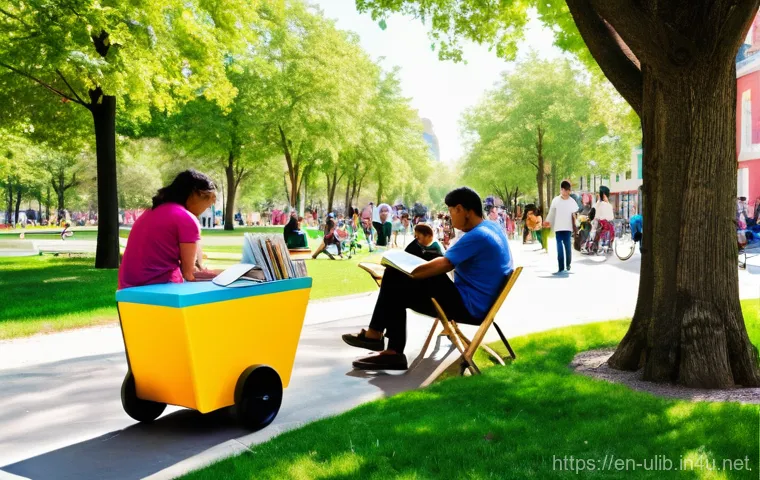
I’ve seen kids, initially hesitant, gravitate towards a colorful book cart set up in a park, simply because it felt like another playground activity. It’s an organic entry point into the world of reading, making it feel less like a chore and more like an adventure.
They’re less about strict rules and more about open invitation, creating a more inclusive and welcoming environment for everyone, regardless of their background or prior library experience.
The Magic of Serendipitous Discovery
There’s a unique kind of joy that comes from unexpected encounters, and pop-up libraries absolutely thrive on this. Unlike a planned trip to a large library, encountering a pop-up is often a pleasant surprise, a moment of serendipity.
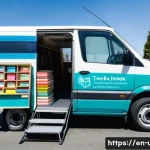
I recall a time I was just out for a walk in my neighborhood, feeling a bit uninspired, when I spotted a small, charming bookstand operating out of a repurposed cargo bike.
It had a surprisingly diverse selection, and I ended up picking up a novel I never would have thought to look for. It was a completely impulse decision, fueled by the novelty and the inviting setup.
This kind of spontaneous discovery doesn’t just get books into people’s hands; it sparks curiosity and fosters a playful relationship with reading. It’s like a treasure hunt, where every new pop-up location offers a fresh opportunity to find an unexpected literary gem, encouraging exploration and broadening reading horizons in the most delightful way possible.
Building Bridges: How Pop-Up Libraries Strengthen Communities
These isn’t just about lending out books; it’s genuinely about weaving tighter threads within our communities, fostering connections that often wouldn’t happen otherwise.
From my own observations, these mobile literary hubs become instant gathering spots, almost like mini-community centers in themselves. I’ve witnessed neighbors, who might usually just exchange a polite nod, strike up conversations over a shared interest in a particular genre, or discuss a book they both picked up from the pop-up.
It’s a truly organic way to get people talking, sharing ideas, and discovering common ground. They transform underutilized public spaces – a park bench, a plaza, even a quiet street corner – into vibrant points of interaction.
This communal aspect is so powerful because it reinforces the idea that learning and reading are shared experiences, not solitary pursuits. It makes knowledge feel like a gift we all contribute to and benefit from, strengthening social bonds in incredibly subtle yet profound ways.
Fostering Local Connections and Events
Beyond simply offering books, pop-up libraries are brilliant platforms for hosting small, localized events that genuinely resonate with community members.
I’ve seen them host impromptu story times for children, local author meet-and-greets, or even book club discussions that spring up right on the spot. One memorable afternoon, a pop-up in a local park collaborated with a nearby coffee shop to offer free hot drinks to anyone checking out a book.
The turnout was fantastic, and it created such a warm, inviting atmosphere that people lingered, chatted, and enjoyed the books in a truly relaxed setting.
These events, often small and low-key, are incredibly effective because they are tailored to the immediate surroundings and the specific demographic present.
They’re not trying to be grand; they’re aiming to be genuinely connective, creating memorable experiences that tie residents closer to their local area and to each other, reinforcing a sense of belonging and shared culture.
Empowering Underserved Areas with Access
Perhaps one of the most compelling reasons I’m such a huge advocate for pop-up libraries is their incredible potential to reach underserved communities.
In areas where access to a large, permanent library might be difficult due to distance, transportation issues, or even a lack of awareness, these mobile units are absolute lifelines.
Imagine a neighborhood without a local bookstore or library, suddenly having a brightly colored book cart appear in its central square, brimming with diverse titles.
I’ve personally seen the impact in such areas, where the initial surprise quickly gives way to genuine excitement and appreciation. It’s not just about providing books; it’s about providing information, resources, and a sense of inclusion.
This accessibility is crucial for promoting literacy, supporting education, and ensuring that everyone, regardless of their postcode, has the opportunity to engage with the written word and access valuable community resources.
More Than Just Books: The Evolving Role of Temporary Reading Spaces
If you think pop-up libraries are just about loaning out the latest bestsellers, think again! I’ve been so impressed by how these flexible spaces are constantly innovating and expanding their offerings, proving that the concept is far more versatile than simply a mobile bookshelf.
They’re becoming dynamic hubs for a whole host of community services, responding directly to the specific needs of the areas they visit. It’s a fantastic example of adaptability in action, showcasing how libraries can remain relevant and vital in a rapidly changing world.
My personal experience has shown me that the most successful ones are those that think outside the box, truly understanding that a “library” can be so much more than a quiet room filled with books.
They’re evolving into vital community arteries, channeling resources and connections right where they’re needed most, proving that flexibility and innovation are key to their lasting impact.
Digital Inclusion and Tech Access
In today’s interconnected world, digital literacy is just as crucial as traditional reading skills, and I’ve seen pop-up libraries step up to this challenge beautifully.
Many of these temporary installations aren’t just bringing physical books; they’re also bringing Wi-Fi hotspots, charging stations, and even basic computer or tablet access to areas that might lack reliable internet.
I recall one instance where a pop-up library in a park offered free workshops on how to use public digital resources, like online job search tools or government websites.
For individuals who don’t have internet at home or struggle with technology, these services are absolutely invaluable. It’s about bridging the digital divide, ensuring that everyone has the opportunity to connect, learn, and access essential online information.
This proactive approach to digital inclusion makes these pop-ups incredibly powerful tools for empowering communities in the modern age.
Skill-Sharing and Community Workshops
Another really exciting development I’ve seen is the way pop-up libraries are transforming into spaces for skill-sharing and informal workshops. They’re becoming miniature community centers where people can not only borrow books but also learn something new from their neighbors.
Imagine a pop-up setting up in a community garden and offering mini-workshops on seed saving or composting, with relevant books available for checkout right there.
Or a pop-up in a craft market hosting a quick knitting circle or a calligraphy demonstration. I once participated in a fantastic “repair café” hosted by a pop-up library, where volunteers helped people mend broken items, fostering a sense of sustainability and practical skill-sharing.
This approach truly leverages local talent and fosters a vibrant, interactive learning environment, proving that knowledge transfer can take many forms beyond just reading a book.
Unlocking New Readers: Accessibility and Engagement on the Go
The beauty of pop-up libraries, from my vantage point, lies deeply in their inherent accessibility and incredible power to engage even the most reluctant readers.
There’s a certain magic to bringing books directly to people, stripping away any perceived barriers that might exist with traditional institutions. It’s about making reading feel less like an effort and more like an effortless part of daily life.
I’ve personally witnessed how a child, initially more interested in their scooter, might pause out of curiosity when they see a colorful display of books set up in their local park.
That initial spark of interest, nurtured by a friendly librarian and a non-intimidating environment, can be the beginning of a lifelong love affair with reading.
This mobile, flexible model is a game-changer for fostering literacy and making literature a more pervasive and inviting presence in our everyday world.
Reaching Diverse Demographics
One of the truly remarkable things about these portable reading spaces is their ability to resonate with an incredibly broad spectrum of people. It’s not just about children’s story times, though those are undeniably wonderful.
I’ve seen pop-ups tailored specifically for seniors in community centers, offering large-print books and comfortable seating. Others have focused on recent immigrants, providing language learning resources and culturally relevant materials in their native tongues.
I once visited a pop-up that had partnered with a local homeless shelter, providing not just books but also information on social services and even some basic supplies.
This targeted approach demonstrates a deep understanding of community needs, allowing them to serve groups that might otherwise be overlooked. It’s about meeting people where they are, not just geographically, but culturally and demographically, ensuring everyone feels represented and valued.
Engaging Through Interactive Experiences
The most successful pop-up libraries, in my opinion, go beyond simply stocking shelves; they create experiences. They understand that engagement, especially for younger generations or those new to reading, often comes through interaction.
I’ve seen pop-ups incorporate creative elements like “blind date with a book,” where books are wrapped, and only a few descriptive keywords are visible, encouraging adventurous choices.
Others have set up craft stations related to storybook themes or hosted open mic sessions for poetry. One particularly clever pop-up had a “human library” event, where visitors could “check out” a person and listen to their unique life story, fostering empathy and understanding.
These interactive elements don’t just attract attention; they deepen the connection to the content and the community, making the act of engaging with literature far more dynamic and memorable than simply picking a title off a shelf.
The Economic Upside: Why Communities Embrace Flexible Library Models
It might surprise you, but there’s a really compelling financial case to be made for pop-up libraries, and it’s a big part of why so many communities are embracing them.
When you think about the enormous costs associated with building, maintaining, and staffing a traditional brick-and-mortar library – we’re talking real estate, utilities, extensive collections, and full-time personnel – the flexibility and relative affordability of a pop-up model suddenly looks incredibly attractive.
I’ve talked to local government officials who are genuinely excited about the potential to offer valuable library services without the massive upfront investment or ongoing overhead.
It allows for a more agile approach to public service, enabling communities to test out programs, reach new areas, and adapt to changing needs much more efficiently.
It’s a smart, fiscally responsible way to bring the joy of reading and vital resources to more people, proving that sometimes, less structure can actually lead to more impact.
Cost-Effective Outreach and Resource Allocation
One of the most obvious benefits is the sheer cost-effectiveness of these operations. Instead of funding a permanent building, which can be an astronomical sum, a pop-up can utilize existing public spaces, repurposed vehicles, or temporary kiosks.
This dramatically reduces infrastructure costs. I’ve seen examples where local grants, small community sponsorships, or even volunteer efforts primarily fund the initial setup and ongoing operations.
This lean model allows for more of the budget to be directed towards the actual collection of books, materials, and program development, maximizing the impact per dollar.
It’s about being strategic with resources, making every penny count to deliver the best possible service. Communities can experiment with different locations and offerings without the commitment of a huge capital expenditure, leading to a more responsive and efficient allocation of public funds for literary and educational outreach.
Driving Local Commerce and Engagement
Beyond the direct savings, pop-up libraries also have a fascinating ripple effect on local economies. By bringing people to different areas – a farmer’s market, a town square, a community festival – they often encourage visitors to explore nearby businesses.
I’ve observed countless times how someone who just borrowed a book might then grab a coffee from the café next door, browse the artisan stalls, or even pop into a local shop they hadn’t noticed before.
This increased foot traffic is a boon for local merchants, providing an indirect but significant boost to small businesses. It’s a subtle form of urban revitalization, turning overlooked spaces into vibrant centers of activity.
This synergy between cultural enrichment and economic support demonstrates that pop-up libraries aren’t just about reading; they’re about invigorating the entire community ecosystem, creating win-win scenarios for residents and local businesses alike.
From Concept to Community Hub: Making a Pop-Up Library Happen
You know, it’s truly inspiring to see how a simple idea – bringing books to people – can blossom into such a vibrant, essential community asset. When I first heard about pop-up libraries, I honestly thought it sounded like a fun, fleeting experiment.
But having watched several of them grow and thrive, I’ve realized there’s a real art and science to transforming that initial concept into a bustling, beloved community hub.
It takes vision, a lot of elbow grease, and a genuine understanding of what a particular neighborhood needs. My personal takeaway is that the most successful pop-ups aren’t just about the books; they’re about the people, the passion, and the consistent effort to make literature an accessible and joyful part of everyday life for everyone involved.
It’s a testament to the power of grassroots initiatives and the enduring appeal of books when presented in fresh, innovative ways.
| Feature | Traditional Library | Pop-Up Library |
|---|---|---|
| Location | Fixed, dedicated building | Flexible, temporary public spaces |
| Accessibility | Requires travel to specific site | Brings services directly to people |
| Operational Cost | High (infrastructure, utilities, staff) | Lower (repurposed spaces, volunteers) |
| Community Engagement | Scheduled events, formal settings | Spontaneous interactions, informal |
| Collection Size | Extensive, diverse collection | Curated, smaller, rotating selection |
| Flexibility | Limited adaptability to change | High adaptability to community needs |
Grasping the Power of Local Partnerships
One of the absolute cornerstones of a thriving pop-up library, in my experience, is building strong local partnerships. No single entity can do it all, and these collaborations are what truly infuse the project with energy and resources.
Think about it: partnering with a local coffee shop for a reading corner, collaborating with a community garden for a nature-themed book display, or even teaming up with a local artist to design a unique book cart.
I’ve seen pop-ups gain tremendous traction by working with neighborhood associations, schools, small businesses, and even individual volunteers. These partnerships don’t just provide funding or space; they also lend credibility, increase visibility, and tap into the collective knowledge and enthusiasm of the community.
It’s a powerful symbiotic relationship where everyone benefits, and the pop-up becomes a true reflection of the community it serves.
Curating Collections and Programs with Purpose
While the spontaneity of a pop-up is part of its charm, the most impactful ones are incredibly thoughtful about what they offer. It’s not just a random assortment of donated books; it’s a carefully curated selection that reflects the interests and needs of the specific community they’re visiting.
I’ve seen pop-ups in areas with many young families focus heavily on children’s literature and parenting guides. In neighborhoods with a large immigrant population, they might prioritize language learning materials and books celebrating diverse cultures.
Beyond books, the programs offered are equally intentional. A pop-up near a tech incubator might host coding workshops, while one in a senior living community might offer reminiscence therapy sessions.
This intentionality, this genuine effort to understand and cater to the specific audience, is what transforms a temporary book stand into a truly valuable and cherished community resource.
The Future is Flexible: What’s Next for Experiential Reading
Looking ahead, I can’t help but feel incredibly optimistic and excited about the future of pop-up libraries and the broader concept of experiential reading.
What started as a niche, creative idea has firmly established itself as a vital and adaptable component of our literary landscape. It’s clear to me that this isn’t just a fleeting fad; it’s a fundamental shift in how we think about accessing books, sharing knowledge, and fostering community.
My personal journey through countless pop-up visits has shown me that people genuinely crave these informal, accessible encounters with literature. As our world continues to evolve at a rapid pace, demanding more flexibility and personalized experiences, these mobile, adaptable literary hubs are perfectly positioned to meet those needs.
They’re not just about supplementing traditional libraries; they’re about redefining what a library can be, making it more dynamic, more engaging, and more deeply integrated into the fabric of our everyday lives.
Leveraging Technology for Enhanced Experiences
The next frontier for pop-up libraries, in my opinion, lies in even more seamlessly integrating technology to enhance the reading experience. Imagine pop-ups equipped with augmented reality (AR) apps that bring storybook characters to life as you browse, or interactive digital displays that recommend books based on your real-time emotional responses.
I can easily envision pop-ups offering virtual reality (VR) tours of famous literary locations or hosting collaborative digital storytelling sessions.
Even simpler innovations, like QR codes on books that link to author interviews or related podcasts, could transform how we engage with content. This isn’t about replacing physical books, but about using technology to create richer, more immersive, and personalized literary adventures.
It’s about merging the tactile joy of a physical book with the boundless possibilities of the digital world, creating something truly unique and captivating for readers of all ages.
Expanding Beyond Books: Holistic Community Hubs
I genuinely believe that pop-up libraries are just scratching the surface of their potential to become truly holistic community hubs, offering a much broader range of services than we currently imagine.
Think about them as mini-wellness centers, offering quick stress-relief workshops or information on mental health resources alongside books. Or as incubators for local talent, providing spaces for emerging artists to display their work or musicians to perform impromptu sets.
I can even envision them collaborating with local health services for basic health screenings or nutrition workshops, making vital information accessible to everyone.
The beauty of their flexibility means they can adapt to the most pressing needs of any given community, evolving far beyond just lending books to become multifaceted centers of learning, wellness, and social connection.
It’s a truly exciting prospect, promising a future where libraries, in all their forms, play an even more integral role in nurturing vibrant, thriving communities.
Wrapping Things Up
Well, what a journey we’ve had exploring the wonderful world of pop-up libraries! It’s truly inspiring to see how a simple concept can grow into such a powerful force for community building, literacy, and accessible learning. From my own experiences, these flexible literary hubs are more than just temporary book stands; they’re vibrant testaments to innovation and the enduring magic of connection through stories. They remind us that the joy of discovery, whether it’s a new book or a new friend, can happen anywhere, at any time. So, keep an eye out for these incredible initiatives in your local area – you might just find your next favorite read or a fantastic new community event!
Good to Know Info
1. How to Discover Pop-Up Libraries in Your Area: Don’t wait for a pop-up to surprise you; actively seek them out! A great starting point is often your local public library’s website or social media channels. Many pop-up initiatives are extensions of established library systems or community outreach programs, so they’ll likely post schedules and locations there. Additionally, keep an eye on local event calendars, community Facebook groups, and even neighborhood newsletters. These grassroots efforts thrive on local buzz, so word-of-mouth is still incredibly powerful. You might even find dedicated websites or Instagram accounts for specific pop-up projects that detail their upcoming stops, ensuring you never miss a chance to stumble upon a literary gem!
2. Supporting Your Local Pop-Up: These fantastic ventures often run on passion and community goodwill, so if you love what they do, consider lending a hand! Donations of gently used books are almost always welcome, but it’s wise to check their specific guidelines beforehand. Volunteering your time, even for a few hours, can make a huge difference in staffing a pop-up event or helping with setup and teardown. Spreading the word through social media, telling your friends and family, or even organizing a small fundraiser for them can also provide invaluable support. Remember, every little bit helps these essential services continue to thrive and reach more people in creative ways!
3. Beyond Just Books: Exploring Diverse Offerings: If you think pop-up libraries are only about borrowing novels, you’re in for a delightful surprise! Many of these innovative spaces are expanding their services far beyond traditional lending. I’ve personally seen some offering free Wi-Fi access and charging stations, which can be a lifesaver for folks without reliable internet at home. Others host engaging community workshops, from beginner’s coding sessions and digital literacy classes to local author readings and skill-sharing events. Some even provide information on vital social services or offer health and wellness resources. Always check their schedule; you might find a valuable service or a unique experience that goes way beyond your expectations for a “library.”
4. The Community Impact on Local Economies: It’s fascinating how pop-up libraries contribute to the economic vibrancy of local areas, far beyond their direct services. By setting up in parks, markets, or town squares, they naturally increase foot traffic, drawing people who might then patronize nearby small businesses. Imagine grabbing a freshly borrowed book and then deciding to pop into the charming coffee shop next door, or browsing the local artisan stalls you otherwise might have missed. This indirect boost to local commerce is a quiet but significant benefit, fostering a symbiotic relationship where cultural enrichment and economic support go hand-in-hand. They truly help invigorate urban spaces and make communities feel more alive and connected.
5. Starting Your Own Pop-Up Initiative: Feeling inspired? You don’t need a massive budget to launch your own small-scale pop-up library! Many successful initiatives started with just a few dedicated volunteers and a passion for sharing books. Begin by researching local regulations regarding public space use and reaching out to community centers, schools, or local businesses that might be open to hosting. Focus on curating a small, relevant collection for your target audience, and don’t underestimate the power of social media for promotion. A repurposed wagon, a simple folding table, or even a creative backpack can be your starting point. The key is enthusiasm, a clear vision, and a genuine desire to connect with your neighbors over the joy of reading.
Key Takeaways
Ultimately, what I’ve learned from countless encounters with these fantastic initiatives is that pop-up libraries are far more than just temporary book havens; they are powerful catalysts for community engagement, accessibility, and lifelong learning. They brilliantly dismantle traditional barriers, fostering a sense of serendipitous discovery and making literature feel less like an obligation and more like a joyful, everyday adventure. By embracing flexibility and innovation, these mobile spaces not only reach diverse demographics but also strengthen local economies and build stronger community bonds. Their future looks incredibly bright, poised to evolve further as holistic hubs that enrich our lives in countless, unexpected ways.
Frequently Asked Questions (FAQ) 📖
Q: What exactly are pop-up libraries, and why are they becoming so popular?
A: You know, it’s funny because when I first heard the term “pop-up library,” my mind went straight to, well, a tent full of books! But it’s so much more than that, and frankly, far more exciting.
Essentially, pop-up libraries are these incredible, temporary literary spaces that literally pop up in the most unexpected and often highly trafficked places.
Think about it: a vibrant corner of a farmer’s market, a cozy nook in a bustling community center, or even a serene spot in a city park. What makes them truly special, and why I believe they’re skyrocketing in popularity, is their incredible flexibility and how they truly meet people where they are.
In our fast-paced world, it’s not always easy to carve out time for a trip to the traditional library. Pop-ups remove that barrier, bringing the joy of discovery and access to books, magazines, and even digital resources directly to our everyday routines.
They’re all about convenience, community, and that delightful surprise of finding a new story just around the corner. I’ve noticed how people light up when they stumble upon one – it instantly sparks curiosity and connection!
Q: How are these different from our regular, traditional libraries, and what makes them so special?
A: That’s a fantastic question, and it really gets to the heart of what makes pop-up libraries such a brilliant innovation. While our traditional libraries are absolutely invaluable institutions, serving as pillars of knowledge and quiet contemplation, pop-ups operate on a slightly different wavelength.
The biggest difference, from what I’ve seen and experienced, is their inherent temporariness and mobility. Traditional libraries are fixed, grand, and wonderful, but pop-ups are agile.
They can appear for a day, a weekend, or even just a few hours, constantly changing locations. This allows them to tap into new audiences and foster engagement in a way that fixed locations sometimes can’t.
They often have a curated, smaller collection of books, focusing on current bestsellers, local interests, or specific themes relevant to their temporary location.
What really makes them special, for me, is the vibe. They feel less formal, more spontaneous, almost like a community happening rather than just a building.
It’s an immediate, interactive experience that bridges that gap between digital convenience and the tactile pleasure of a physical book, making literature feel incredibly fresh and accessible.
Q: Beyond just books, what kind of impact do pop-up libraries really have on a community?
A: Oh, the impact goes so much deeper than just lending out a few paperbacks, trust me! I’ve seen firsthand how these little hubs become genuine community catalysts.
While books are definitely the star of the show, pop-up libraries often become mini-cultural centers. They might host storytelling sessions for kids right there in the park, offer quick workshops on digital literacy, or even provide resources for local job seekers.
I remember visiting one that had a small section dedicated to local artists’ work, sparking conversations and connections I wouldn’t have expected. They foster a powerful sense of community and belonging, creating a neutral, welcoming space where people from all walks of life can interact, share ideas, and simply be together.
It’s about building social cohesion, promoting literacy in the broadest sense, and truly democratizing access to information and culture in a fun, non-intimidating way.
For me, they embody the idea that knowledge isn’t just stored in grand buildings; it’s a living, breathing part of our everyday lives, enriching us wherever we gather.