Hey there, fellow knowledge seekers and book lovers! As someone who practically lives among the stacks – seriously, I’ve spent countless hours diving into everything from ancient texts to cutting-edge research – I often hear people chat about ‘the library.’ But here’s a thought: have you ever stopped to truly consider the vast differences between your beloved local community library and the grand, often historic, national institutions?
It’s more than just size, believe me! We’re talking about their very purpose, their collections, and even their evolving roles in our increasingly digital world.
From supporting local school projects to preserving national heritage for centuries to come, these aren’t just buildings; they’re unique ecosystems of information and community.
Based on my own deep dives and what I’ve seen trending in how we access information today, there’s a fascinating story waiting to be told. Let’s explore exactly what sets these incredible centers of learning apart and discover which one might be your next favorite haunt!
Beyond the Local Branch: Understanding Their Core Missions

You know, for years, I just thought a library was a library, right? A place with books, maybe some computers, and that distinct quiet hush that just screams “knowledge.” But after countless hours spent digging through archives and experiencing the vibrant buzz of my local branches, I’ve realized there’s a profound difference in the very DNA of national and community libraries. It’s not just about size; it’s about their fundamental reason for being. This distinction shapes everything from the dusty tome you might find to the lively children’s program happening on a Tuesday morning. It’s a fascinating dive into how we collect, preserve, and share information, and honestly, it’s a journey I think every true book lover and knowledge seeker should take. Believe me, once you understand these core missions, your appreciation for both types of institutions will absolutely skyrocket.
The National Mandate: Preserving a Nation’s Story
When you step into a national library, like the Library of Congress in the U.S. or the British Library, you’re not just entering a building; you’re stepping into the collective memory of an entire nation. Their primary mission is monumental: to acquire and preserve every significant document published within or about their country, ensuring its literature, history, and intellectual output are safeguarded for centuries to come. I’ve spent days lost in the hushed halls of these grand institutions, marveling at the sheer volume of rare manuscripts, first editions, and irreplaceable historical records they house. They’re like time capsules, meticulously maintained to provide a comprehensive record of a country’s journey. This isn’t just about books either; it extends to maps, music, digital publications, and even websites, recognizing the evolving forms of national heritage. The focus here isn’t typically on lending out materials, but rather on providing access for deep research, ensuring that scholars and future generations can study these precious items without risk of loss. It’s a truly awesome responsibility, and one they take incredibly seriously, investing heavily in specialized preservation techniques and advanced conservation labs.
Local Libraries: The Heartbeat of Community Life
On the flip side, my beloved local community library is all about immediate access and connection. Think about it: your public library is there to serve the everyday informational, educational, and recreational needs of its local residents, no matter their age, background, or economic status. From the moment you walk in, you feel that welcoming energy. I’ve seen firsthand how these spaces transform lives, whether it’s a child discovering the joy of reading during story time, a teenager getting free internet access to complete homework, or an adult attending a job search workshop. Their mission is deeply rooted in fostering literacy, supporting lifelong learning, and acting as a vibrant community hub. They offer a diverse collection of current and popular materials that you can actually borrow, along with a wide array of programs and services designed to enrich local life. It’s a dynamic, responsive ecosystem that truly reflects the unique needs and interests of the people it serves, and that immediate, tangible impact is something I deeply appreciate every single day.
Curating Knowledge: Vast Collections and Unique Treasures
When we talk about the ‘stuff’ libraries hold, it’s easy to picture rows and rows of books, right? But the reality is far more diverse and nuanced, especially when comparing national and local institutions. My personal experience has shown me that while both types of libraries are treasure troves, the nature of their treasures, and how they’re acquired and made accessible, is wildly different. It’s like comparing a meticulously curated national museum with a bustling local art gallery—both are incredible, but they serve entirely different purposes with their collections. This distinction is crucial for anyone trying to find specific information or just exploring what these wonderful places have to offer. Understanding their collection philosophies can save you a lot of time and open up new avenues of discovery.
Depth Over Breadth: The National Library’s Specialized Holdings
National libraries operate under a “legal deposit” system in many countries, meaning they legally receive a copy of almost everything published within their nation. This results in an incredibly comprehensive, historical, and often specialized collection that emphasizes depth and archival permanence. We’re talking about rare books, historical manuscripts, vast photographic archives, government documents, and even unique digital collections that you won’t find anywhere else. For instance, I’ve seen researchers pouring over fragile old maps or listening to historical sound recordings that are utterly invaluable for their work. These institutions prioritize preserving these materials in their original format, often leading to stringent access rules, like requiring supervised use or not allowing items to be checked out at all. Their collections are designed for in-depth scholarly research, providing a definitive record of national intellectual and cultural output, rather than catering to popular demand or casual borrowing. It’s a focus on deep dives into history and specialized knowledge that truly sets them apart.
Community-Driven Catalogs: What Your Local Library Offers
In contrast, my local public library’s collection is all about relevance, accessibility, and meeting the current interests of its community. You’ll find a fantastic mix of popular fiction, bestsellers, non-fiction covering a wide range of practical topics, children’s books, audiobooks, movies, and music. The goal is high circulation and responsiveness to what patrons want and need right now. I often see new releases hitting the shelves shortly after publication, and the librarians are fantastic at stocking up on popular titles. Beyond traditional media, many public libraries now offer surprising “non-book” collections like tool libraries, museum passes, seeds, or even Wi-Fi hotspots for checkout. I’ve personally borrowed a few unexpected items from my local branch that were incredibly useful! These collections are constantly evolving based on community feedback, borrowing trends, and local educational needs. They also focus on providing easy access to digital resources like e-books, online databases, and streaming services, making knowledge available right from your couch. It’s a wonderfully dynamic approach, ensuring the library remains a vital, adaptable resource for everyone in the neighborhood.
Funding Streams and Governance: A Tale of Two Budgets
Have you ever stopped to think about who actually pays for these amazing institutions? It’s a question I often ponder when I see a national library’s grand architecture or my local library’s bustling community programs. The financial backbone and the administrative structure behind national and community libraries are fundamentally different, and understanding these distinctions really shines a light on their operational priorities and challenges. From what I’ve observed and researched, these funding models profoundly influence everything from collection development to the types of services they can afford to offer. It’s not just about money; it’s about governance, public policy, and the philosophical underpinning of why these institutions exist in the first place. This is where the rubber meets the road, impacting their long-term sustainability and their ability to adapt to societal changes.
Governmental Guardians: National Library Funding
National libraries are typically established and funded by the central government of their respective countries. This means their budgets are often substantial, drawn from national tax revenues, and allocated to support their expansive mission of national preservation, extensive acquisitions, and specialized research services. I’ve learned that this national funding allows them to maintain vast physical archives, invest in cutting-edge conservation technology, and support large staffs of specialized librarians and conservators. While they might seek grants for specific projects, their core operations are secured by the state. Their governance structure is usually a government ministry or a national board, ensuring adherence to national policies and objectives. This centralized funding model allows for long-term strategic planning for national heritage and scholarship, often with less direct vulnerability to local economic fluctuations, although national budget shifts can certainly impact them. It’s a top-down approach designed to secure a nation’s intellectual legacy for the ages, and it reflects a commitment to cultural memory at the highest level.
Local Support: How Your Community Library Stays Afloat
Public libraries, on the other hand, are largely funded by local or regional governments, with significant contributions from local property taxes, supplemented by state and sometimes federal grants, as well as crucial donations and fundraising efforts. My own local library actively hosts fundraising drives and has a “Friends of the Library” group that does incredible work to bridge funding gaps. This means that a community library’s budget can fluctuate quite a bit based on the local economy and voter support for tax levies. Their governance often involves local library boards or city/county councils, making them directly accountable to the community they serve. While this local dependency can sometimes lead to tighter budgets compared to national institutions, it also fosters a strong sense of community ownership and responsiveness. I’ve seen how passionate local residents are about their library, and that grassroots support is truly powerful. It shapes the library’s priorities, ensuring that services and collections directly align with what the local population values most, from children’s programs to career development workshops.
Who They Serve: From Scholars to Story Time Enthusiasts
It’s funny, when I first started my deep dives into the world of libraries, I pictured a uniform clientele for every institution. But oh, how wrong I was! The user base for a grand national library is profoundly different from the bustling, diverse crowd at my neighborhood branch. This realization completely changed how I understood their purpose and how they operate. It’s not just about what they collect, but who they aim to empower with that collection. This difference in target audience isn’t just a minor detail; it dictates the entire user experience, the services offered, and even the architectural design of the building itself. Getting a grip on this helps you figure out which library is the perfect fit for your specific needs, whether you’re writing a dissertation or looking for your next cozy mystery.
The Research Powerhouse: Catering to Experts
National libraries are truly the powerhouses for serious research, catering primarily to scholars, academics, historians, government officials, and genealogists. If you’re undertaking a doctoral thesis, tracing complex historical events, or needing to access rare primary source documents, this is your academic sanctuary. These institutions are designed for deep, focused study, often with specialized reading rooms for rare materials, and highly trained reference librarians who are experts in their specific fields. My experience researching there felt less like “borrowing a book” and more like participating in a serious academic endeavor, with a quiet atmosphere conducive to intense concentration. They rarely allow materials to be borrowed, emphasizing on-site access to preserve the integrity of their irreplaceable collections. The services they offer, such as detailed bibliographic control, inter-library loans for rare items, and digital access to digitized archives, are tailored to facilitate rigorous academic inquiry. It’s an environment built for intellectual heavy-lifting, where the pursuit of knowledge is paramount, making it an invaluable resource for the advancement of human understanding.
Accessible to All: The Public Library’s Open Door
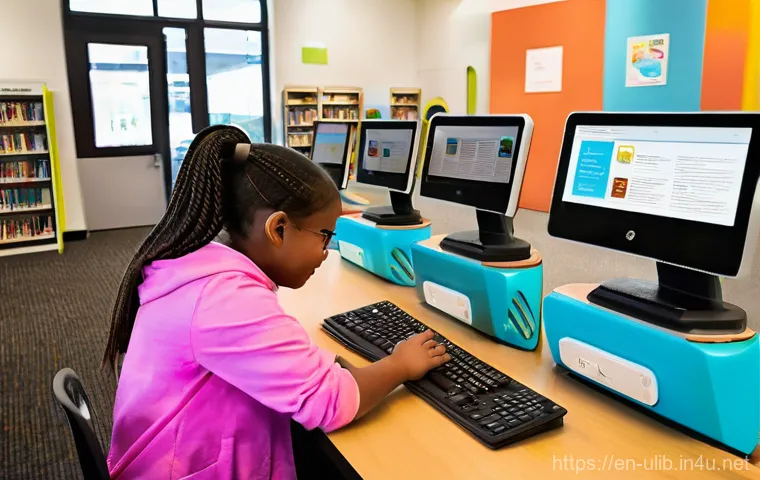
Your local public library, however, is the epitome of inclusivity, designed to serve literally everyone in the community, from toddlers and preschoolers to seniors, students, job seekers, and casual readers. It’s a true melting pot, a place where I’ve seen people from all walks of life find something they need. The services are incredibly broad and user-friendly, offering everything from popular fiction and non-fiction for all ages to public computers with internet access, Wi-Fi, job search assistance, literacy programs, and vibrant community events like author talks and children’s story times. Unlike national libraries, borrowing is a core function, making knowledge and entertainment easily accessible to every resident. I often pop into my local branch for a new release or to use their fantastic online resources for a quick research project. The librarians are community-focused, acting as information navigators and often providing social services or connecting patrons with local aid efforts. It’s an inviting, dynamic space that actively breaks down barriers to information and promotes social connection, truly embodying its role as a democratic institution for all.
Digital Frontiers: Adapting to a Connected World
The digital revolution has certainly thrown a curveball at libraries, hasn’t it? As someone who lives online and offline, I’ve watched with keen interest how both national and local libraries have navigated this seismic shift. It’s not just about adding e-books to a catalog; it’s about fundamentally rethinking how information is accessed, preserved, and shared in an era where data lives in the cloud and attention spans are fleeting. This adaptation has been a true test of their resilience and relevance, and what I’ve seen is a fascinating divergence in their strategies, mirroring their core missions. While some might think the internet makes libraries obsolete, my experience tells me the opposite: their role is more crucial than ever, albeit transformed. This section really delves into how they’ve both stepped up to the plate, each in their own distinct and vital way, to keep pace with our ever-evolving digital landscape.
Preserving the Digital Past: National Libraries in the Internet Age
For national libraries, the digital age presents a new, immense challenge: how do you preserve a nation’s intellectual heritage when so much of it is now “born digital”? It’s a fascinating problem, and I’ve been so impressed by their innovative approaches. They’ve launched massive digitization projects to convert fragile physical materials into digital formats, not only making them more accessible but also safeguarding them against physical decay or catastrophic loss. But beyond that, they’re actively tackling web archiving programs, systematically collecting and preserving websites, social media, and other digital content that represent significant aspects of contemporary culture and national history. Think about it – today’s tweets and news sites are tomorrow’s historical documents! This requires complex technical infrastructure, specialized expertise in digital preservation, and ongoing research into how to ensure digital files remain readable and accessible as technology changes. Their focus remains on comprehensive archival, ensuring that the digital footprint of a nation is as meticulously preserved as its paper records, a crucial, behind-the-scenes effort that secures our future understanding of the past.
Bridging the Digital Divide: Local Libraries as Tech Hubs
Meanwhile, local community libraries have become indispensable hubs for bridging the digital divide, offering critical access to technology and digital literacy skills that many residents might otherwise lack. I’ve seen countless people, from students to job seekers, rely on the free internet access, public computers, and Wi-Fi services that my local library provides. For many in underserved areas, the library is the only place they can access the digital world. Beyond basic access, librarians are actively teaching digital literacy, offering classes on everything from basic computer skills and coding to navigating online resources and identifying misinformation. They’re not just about e-books and online databases; they’re empowering individuals with the skills needed to thrive in our increasingly digital society. It’s a hands-on, community-focused approach that directly addresses immediate needs, making sure that no one is left behind in the rapid pace of technological advancement. My heart swells seeing the tangible difference they make every day, ensuring digital equity for all.
More Than Just Books: Evolving Services and Engagement
If you still think of libraries as silent, dusty repositories, you’re missing out on a dynamic evolution that’s been happening for years! Both national and local libraries are constantly reimagining their roles, expanding far beyond just housing books to become vital centers of engagement and service. It’s truly inspiring to witness. For me, it highlights their incredible adaptability and enduring importance in our society, proving they are anything but obsolete. My own interactions with these institutions have shown me how they’re proactively shaping communities and fostering intellectual growth in ways that might surprise you. They’re not waiting for people to come to them; they’re actively reaching out, creating new pathways for learning, connection, and societal impact. This isn’t just a trend; it’s a fundamental shift in how libraries perceive their responsibilities and opportunities in a fast-changing world.
National Libraries: Facilitating Global Research and Collaboration
National libraries, while primarily focused on preservation and scholarly access, are also evolving into critical facilitators of global research and collaboration. They actively participate in international networks, sharing bibliographic data and contributing to universal bibliographic control, which helps scholars worldwide locate and access resources. Many offer sophisticated reference services and research consultations, guiding academics through their vast and often complex collections. I’ve seen how they curate exhibitions and host events that showcase their unique holdings, bringing national heritage to a broader public, often through digital means that transcend geographical boundaries. They also play a significant leadership role within their national library systems, setting standards for preservation and cataloging that influence public and academic libraries across the country. It’s a less visible form of engagement than what you might find at a local branch, but it’s utterly essential for advancing knowledge on a national and even international scale, supporting the very foundations of scholarly inquiry and cultural understanding.
Community Connectors: The Local Library’s Expanding Role
The local public library’s evolution into a true community connector is perhaps the most visible and heartwarming transformation. They are actively positioning themselves as “third places” – welcoming public spaces outside of home and work where people can gather, connect, and engage. I’ve personally seen my local library host everything from book clubs and art workshops to job fairs, cooking classes, and even health screenings. They’re becoming critical centers for civic engagement, organizing community conversations on important local and national issues, and often partnering with local organizations to offer a wider range of social services. They provide safe spaces for vulnerable populations, offer resources for immigrants and refugees, and support lifelong learning for all ages. It’s an incredibly proactive approach to community building, where librarians are often seen as vital social workers and community organizers. This expansive role reflects a deep understanding of community needs, making the public library an indispensable hub that fosters social cohesion, empowers individuals, and enriches the fabric of local life in countless, wonderful ways.
| Feature | Local Community Library | National Library |
|---|---|---|
| Primary Mission | Serve local community needs; promote literacy, lifelong learning, and community engagement. | Collect, preserve, and make accessible the entire published output and cultural heritage of a nation. |
| Target Audience | General public of all ages and backgrounds within a specific locality. | Scholars, researchers, academics, historians, government officials. |
| Collection Focus | Popular fiction, bestsellers, diverse non-fiction, multimedia, high circulation, current relevance. | Comprehensive, historical, specialized collections including legal deposits, rare books, manuscripts, archives, often for reference only. |
| Lending Policy | Primarily a lending library; materials are widely available for checkout. | Rarely allows materials to be borrowed; focus on in-situ reference and preservation. |
| Funding Source | Primarily local/regional government taxes, grants, donations, fundraising. | Primarily funded by the central government; national tax revenues. |
| Community Engagement | High; acts as a community hub, offers diverse programs, tech access, social services. | Lower direct community engagement; focuses on scholarly services, exhibitions, and national leadership. |
| Digital Role | Bridging the digital divide; providing public internet access, digital literacy training, e-books. | Digital preservation of national heritage; extensive digitization projects, web archiving. |
글을 마치며
Well, folks, what a journey it’s been, diving deep into the fascinating worlds of national and community libraries. It’s honestly been an eye-opener for me, and I hope for you too! Before this, I really saw them through a single lens, but now? I appreciate the distinct, vital roles they play in our society so much more. From the quiet grandeur of a national archive safeguarding millennia of human thought to the vibrant, welcoming buzz of a local branch fostering community connections and digital literacy, both are absolutely indispensable. My hope is that understanding these profound differences will make your next visit, whether for serious research or just to grab a new bestseller, feel even more purposeful and enriching. They’re not just buildings filled with books; they’re living, breathing institutions adapting constantly to our changing world, and we’re so incredibly lucky to have them serving our pursuit of knowledge and community.
알아두면 쓸모 있는 정보
1. Thinking of a deep-dive research project? Always start by checking if a national library’s specialized archives align with your topic. Their unique collections of rare documents, historical maps, and digital heritage can be absolutely invaluable for in-depth scholarly work, often providing resources you simply won’t find anywhere else. Remember, many national libraries require appointments or special access for their most fragile items, so plan ahead for a smooth and productive experience, ensuring you get the most out of their incredible holdings.
2. Your local public library is a goldmine for more than just books! Don’t forget to explore their extensive digital offerings like free e-books, audiobooks, and streaming services for movies and music. Many also provide access to premium online databases for anything from consumer reports and investment tools to language learning platforms, all included with your library card. It’s an incredible value that often goes overlooked, and it can truly save you a fortune on various subscriptions.
3. For genealogical research, national libraries often hold extensive collections of historical records, microfilms, and digitized archives that cover broad national histories. However, local historical societies and community libraries can also be fantastic, often overlooked, resources, especially for local family histories, obituaries, and community newspapers that might not have made it into a national collection. Sometimes, the most specific, precious details are found right in your hometown’s archives.
4. Struggling with tech or needing a quiet, reliable place to work? Public libraries are fantastic community tech hubs. They offer free public computers, high-speed Wi-Fi, and often provide invaluable free workshops on digital literacy, resume building, or even basic coding. This is a brilliant resource for job seekers, students, or anyone looking to brush up on their computer skills without spending a dime. Seriously, check their events calendar; you might be surprised by what’s on offer!
5. If you’re looking for vibrant community events, captivating author talks, or engaging children’s story times, your local public library is likely buzzing with activity. They’re designed to be welcoming ‘third places’ that foster connection and lifelong learning, hosting a wonderfully diverse range of programs for all ages and interests. It’s a fantastic way to meet people, learn something new, or simply enjoy a cultural experience right in your neighborhood, making them truly vital community anchors.
중요 사항 정리
To sum it all up, the key takeaway here is that while both national and local libraries are absolutely foundational to our intellectual and cultural lives, they operate with vastly different mandates, each brilliantly suited to its purpose. National libraries are the solemn guardians of a nation’s historical and intellectual legacy, focusing on comprehensive preservation and scholarly research for future generations. On the other hand, community libraries are the vibrant, adaptable heartbeats of our neighborhoods, dedicated to fostering literacy, providing immediate access to diverse information, and building strong, connected communities. Understanding this core distinction not only enhances our appreciation for these vital institutions but also empowers us to utilize them most effectively, whether we’re pursuing a groundbreaking academic study or simply seeking the joy of a good book and a welcoming space. So next time you walk past one, remember the incredible, distinct stories they each tell and the invaluable services they provide, making our world a richer place.
Frequently Asked Questions (FAQ) 📖
Q: What are the fundamental differences in purpose and scope between a local community library and a national library?
A: Oh, this is such a fantastic question, and one I’ve pondered quite a bit during my countless library adventures! When you think about it, a local community library is truly the heart of its neighborhood.
Its main purpose, as I’ve observed firsthand, is to serve the immediate educational, informational, and recreational needs of the people living right there.
We’re talking about providing resources for school projects, offering job search assistance, hosting story times for little ones, and even having popular fiction for your weekend escape.
The scope is very much focused on direct community engagement and support. I’ve seen them be a lifeline for everything from free Wi-Fi access to a quiet spot for homework after school.
Now, a national library? That’s an entirely different beast, in the best possible way! From what I’ve gathered through my research and visits, their purpose is grander, stretching across an entire nation.
They’re tasked with collecting and preserving a comprehensive record of the country’s published output – literally, almost every book, journal, map, and often even digital publication produced within its borders.
Their scope is about preserving the national heritage for future generations, supporting scholarly research at the highest levels, and often even acting as a legal deposit library.
Think of the Library of Congress here in the States, or the British Library across the pond; they aren’t just for checking out bestsellers, but for safeguarding centuries of knowledge.
It’s like comparing a cozy neighborhood cafe to a sprawling national museum – both wonderful, but serving vastly different functions!
Q: How have their collections evolved, especially with the rise of digital resources, and what unique materials can I expect at each?
A: This is where things get really fascinating, especially for someone like me who loves to see how institutions adapt! Historically, both types of libraries were primarily about physical books, right?
But with the digital revolution, their collections have truly transformed. At your local community library, I’ve noticed a significant shift towards offering a mix of physical and readily accessible digital content.
You’ll still find shelves packed with books, magazines, and DVDs, of course. But increasingly, they’re investing heavily in e-books, audiobooks, and streaming services that you can access from your couch with just your library card.
I recently discovered my local branch even has a “library of things” where you can borrow tools or even a sewing machine! They’re focused on high-demand, popular resources that cater to everyday needs.
They also tend to have unique local history archives – photos, oral histories, and community records that really tell the story of the area. It’s practical, immediate, and community-centric.
National libraries, on the other hand, have taken a slightly different, though equally important, digital path. While they maintain vast physical collections – think rare manuscripts, ancient maps, and every edition of a major publication you could imagine – they’re also digitizing an incredible amount of their historical archives.
Their digital collections are often focused on providing access to rare, unique, and out-of-print materials to scholars and researchers worldwide, making national heritage accessible beyond physical borders.
You might not find the latest thriller as an e-book for immediate checkout, but you could uncover digitized versions of historical newspapers, government documents, or even ancient musical scores that are unavailable anywhere else.
Their unique materials are truly one-of-a-kind: legal deposit copies, first editions of national literary treasures, and often extensive collections of national art, photography, and ephemera that paint a vivid picture of a nation’s past.
Q: Beyond just books, how do these two types of libraries serve their communities and nations in today’s fast-paced, digital world?
A: This question really gets to the heart of why I believe libraries are more vital than ever, even in our screen-obsessed world! It’s easy to think of them just as places for books, but trust me, they’re so much more.
My experience with local community libraries has shown me they are becoming dynamic community hubs. Beyond the books, they’re hosting workshops on coding, providing free Wi-Fi and computer access to bridge the digital divide, offering resume-building and job search assistance, and even acting as polling places during elections.
I’ve seen libraries host everything from knitting clubs and adult education classes to local artist exhibitions and open mic nights. They’re providing safe, inclusive spaces for everyone, a real “third place” outside of home and work, fostering community connection and lifelong learning that’s truly hands-on and responsive to local needs.
They’re adapting, becoming centers for digital literacy, community wellness, and social engagement – not just information. National libraries, while their primary focus remains on preserving and making accessible the national intellectual heritage, are also evolving their service models.
They’re actively supporting academic research through specialized fellowships, providing extensive reference services for scholars, and often collaborating with universities and cultural institutions on major digitization projects.
They host incredible exhibitions that showcase national treasures, inspiring a broader public understanding of history and culture. Many are also at the forefront of digital preservation, ensuring that the vast amounts of born-digital content (like websites and online publications) are archived and accessible for future generations.
While you might not pop into a national library for a toddler story time, they are vital engines for national scholarship, cultural pride, and the long-term safeguarding of a nation’s collective memory, acting as indispensable partners in global knowledge sharing and preservation.
They’re less about immediate community gathering and more about being the bedrock of national intellectual infrastructure.