There’s a special kind of joy that comes from watching a child’s eyes light up with discovery, isn’t there? In an increasingly digital world, where screens often dominate, I’ve found myself constantly searching for spaces that truly ignite a love for learning and imagination in the younger generation.
It’s not always easy to find that perfect balance between fun, education, and safety, especially when we’re all so busy navigating daily life. But here’s a little secret: one of the most underrated treasures in our communities has been quietly evolving into something truly incredible, often right under our noses.
Stepping into a children’s library always feels like walking into a secret garden, doesn’t it? I still vividly remember the hushed excitement of picking out my next adventure, the smell of new and old pages, and the thrill of storytime.
But today’s kids’ libraries are so much more than just shelves of books; they’re vibrant hubs of creativity, learning, and community connection, constantly evolving to meet the needs of our digital-native youngsters.
From incredible STEM programs, coding clubs, and online safety workshops to cozy reading nooks and even sensory-friendly spaces, these dedicated havens are truly shaping the minds of tomorrow, bridging the digital divide, and fostering inclusivity.
They’re becoming crucial anchors for early literacy and lifelong learning, playing a pivotal role in every child’s development. If you’ve ever wondered how these magical places are adapting, and what incredible, often free, resources they offer for your little ones, you’re in for a treat.
Let’s really dig into what makes them so special.
Unleashing Creativity and Digital Savvy
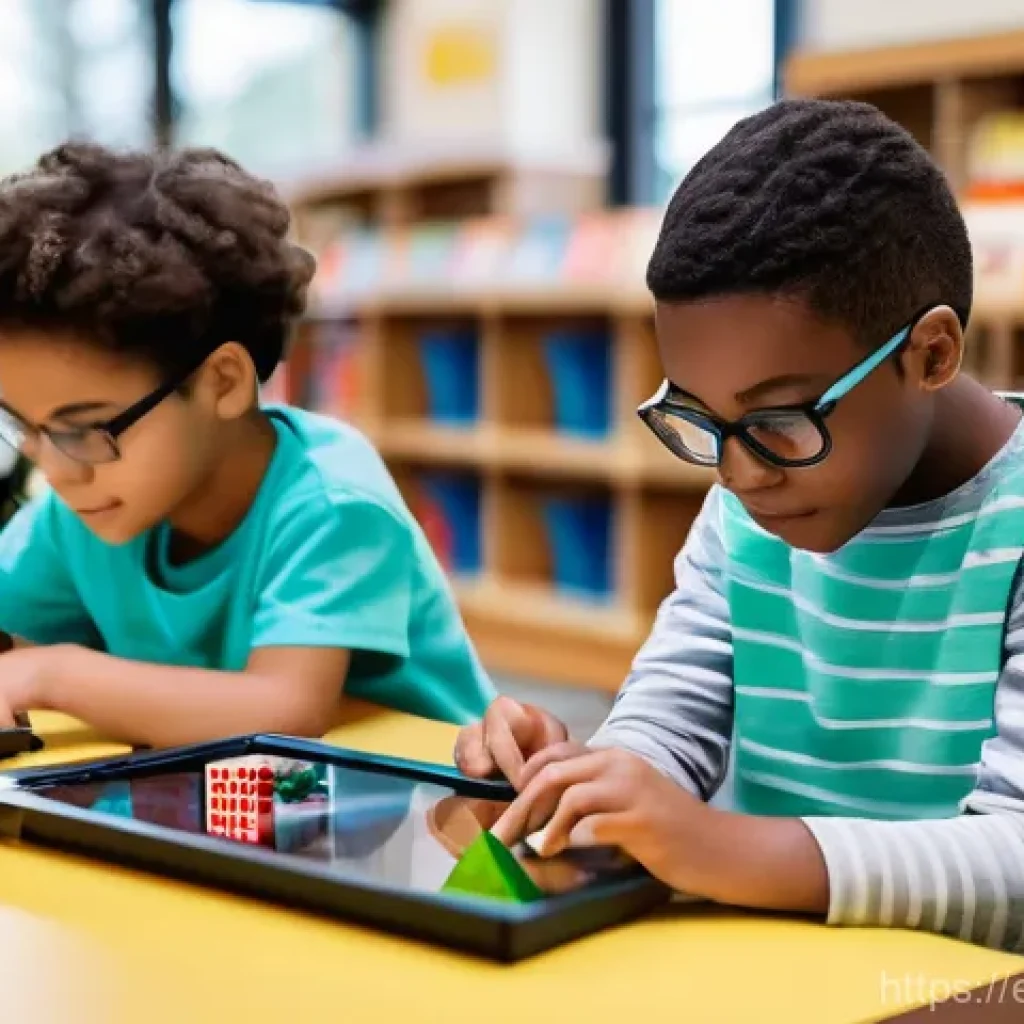
You know, it wasn’t that long ago that libraries felt like hushed sanctuaries, primarily for serious study. And while I still adore that quiet reverence, what’s truly blown me away lately is how children’s libraries have totally transformed into dynamic playgrounds for the digital age. They’re not just stocking books anymore; they’re actively equipping our kids with the skills they’ll need for tomorrow. I’ve personally seen libraries here in the US hosting incredible coding bootcamps for elementary schoolers, where little ones are building their first simple games or even designing miniature robots. It’s fascinating to watch them problem-solve and collaborate, completely immersed in a world that extends far beyond the traditional notion of a library. These aren’t just one-off workshops; many offer ongoing series, fostering genuine long-term interest and skill development. It truly feels like they’re democratizing access to technology education, offering resources that might otherwise be out of reach for many families. This proactive approach to digital literacy is something I deeply appreciate as a parent, knowing my kids are getting a head start in a fun, supportive environment. It’s about empowering them to be creators, not just consumers, of technology.
Coding Clubs and STEM Adventures
From my own experience, I’ve seen firsthand how these coding clubs are more than just learning lines of code; they’re about fostering critical thinking, logic, and persistence. Kids often work in teams, tackling challenges together, which also builds essential social skills. Libraries are investing in things like LEGO Robotics kits, Raspberry Pis, and even 3D printers, turning what used to be purely academic subjects into hands-on, playful explorations. Imagine a group of second graders excitedly programming a robot to navigate a maze they designed themselves, or designing a small trinket on a computer and then watching it materialize from a 3D printer! It’s pure magic for them, and for us watching, it’s clear they’re absorbing complex concepts without even realizing it. These programs aren’t just for the technically inclined either; they’re designed to be engaging and accessible for all, sparking curiosity in fields many might consider intimidating.
Navigating the Online World Safely
Beyond the excitement of creating, there’s a vital, often overlooked, aspect of digital literacy that libraries are now championing: online safety. In a world where kids are exposed to screens earlier than ever, teaching them how to be responsible digital citizens is absolutely crucial. I’ve attended parent-and-child workshops at our local library that covered everything from identifying phishing scams (simplified for kids, of course!) to understanding privacy settings on apps and the importance of a positive online footprint. They address cyberbullying in age-appropriate ways and provide resources for parents to continue these conversations at home. It’s a huge relief to have a trusted community institution providing this kind of guidance, especially when the digital landscape changes so rapidly. It’s like having a friendly expert right there, ready to answer all those tricky questions we parents often struggle with.
More Than Books: Cultivating Future Innovators
When I think about the role of a modern children’s library, it’s truly evolved far beyond just being a place to check out books. While books remain the heart of it all, I’ve been so impressed by how these spaces are actively nurturing critical thinking and problem-solving skills in our youngest citizens. They’re transforming into vibrant innovation hubs, offering resources and programs that encourage creativity and independent thought. From interactive exhibits that explain scientific principles in a fun way to creative writing workshops that help budding authors find their voice, it’s all about fostering a love for learning that extends far beyond memorization. I always tell my friends that if you want to see pure, unadulterated curiosity in action, just spend an hour in a modern children’s library’s activity zone. The sheer variety of engaging activities available, often completely free, is simply astounding and so beneficial for kids who thrive on hands-on exploration.
Sparking STEM Curiosity Early On
It’s incredible to see how libraries are making science, technology, engineering, and math not just accessible, but genuinely exciting for children. I once walked into a library and saw a group of preschoolers building elaborate structures with magnetic tiles, guided by a librarian who was subtly introducing concepts of gravity and balance. Another time, my eldest participated in a “junior scientist” program where they made their own slime and explored chemical reactions – messy, yes, but utterly unforgettable for him! These aren’t just glorified playtimes; they’re carefully designed educational experiences that lay foundational understandings in a way that feels completely natural and fun for kids. They remove the intimidation often associated with STEM subjects, turning them into adventures rather than chores. It’s truly a testament to how libraries are adapting to give kids the best start possible.
Empowering Young Storytellers and Artists
Beyond the scientific, there’s a huge emphasis on creative expression. I’ve always believed that imagination is one of our most precious assets, and children’s libraries are absolute champions in this regard. They host regular story creation workshops where kids can invent characters, draw illustrations, and even bind their own “books.” I remember one particularly heartwarming session where children dictated stories to a volunteer, who then typed them up and printed them out, making these tiny authors feel incredibly accomplished. Then there are the art programs – from drawing and painting to crafting and even puppet making. These activities provide an invaluable outlet for self-expression, helping children develop fine motor skills, visual literacy, and a deeper appreciation for the arts. It’s truly beautiful to witness a child’s confidence blossom as they see their creative vision come to life in a supportive, encouraging environment.
Sanctuary and Serenity: Spaces for Every Child
One of the things I love most about modern children’s libraries is their understanding that every child is unique, with different needs and ways of engaging with the world. It’s not just about flashy new tech; it’s also about creating truly inclusive and welcoming spaces where every single child feels comfortable and valued. I’ve noticed a significant shift towards designing areas that cater to diverse sensory needs and learning styles, which I think is absolutely brilliant. Libraries are recognizing that a “one-size-fits-all” approach simply doesn’t work, and they’re going above and beyond to ensure accessibility for all their young patrons. From the layout of the furniture to the types of programs offered, there’s a conscious effort to make these spaces truly universal. It feels incredibly heartwarming to see such thoughtfulness put into designing environments where every child, regardless of their background or ability, can thrive and feel a sense of belonging.
Sensory-Friendly Zones and Quiet Corners
I distinctly remember visiting a newly renovated children’s section that had a dedicated “calm down corner” complete with soft lighting, weighted blankets, and fidget toys. For children who might be overwhelmed by too much stimulation, or those with sensory processing sensitivities, these spaces are absolute lifesavers. It allows them to self-regulate and re-engage when they’re ready, rather than feeling forced into an uncomfortable situation. Some libraries have even introduced “sensory storytimes” where the experience is adapted with visual aids, fewer loud noises, and more tactile elements, ensuring children with autism or other developmental differences can participate fully and joyfully. This kind of thoughtful design truly underscores the library’s role as a supportive community resource, demonstrating a deep empathy for the varied experiences of children.
Promoting Inclusivity Through Diverse Collections
It’s also wonderful to see libraries curating collections that reflect the rich diversity of our communities and the world. Beyond just stories about different cultures, they’re actively seeking out books that feature characters with disabilities, different family structures, and varied life experiences. This intentional effort ensures that every child can see themselves reflected in the stories they read, fostering a sense of belonging and validation. Furthermore, it helps children develop empathy and understanding for others who may be different from them. I’ve heard librarians talk passionately about how important it is for children to encounter “mirror books” (where they see themselves) and “window books” (where they learn about others). It’s a powerful way to build a more inclusive and understanding generation, one story at a time. This careful curation truly makes a difference in shaping young perspectives.
| Modern Children’s Library Offering | What it Means for Your Child | Key Benefit |
|---|---|---|
| Coding Clubs & Robotics | Hands-on experience with basic programming, logic, and engineering principles. | Develops critical thinking, problem-solving, and future-ready tech skills. |
| Early Literacy Programs | Interactive storytimes, parent-child reading workshops, and phonics games. | Fosters a love for reading, language development, and school readiness. |
| Sensory-Friendly Spaces | Quiet corners, sensory bins, weighted blankets, and adapted storytimes. | Provides a calm, inclusive environment for children with diverse needs. |
| STEAM Workshops | Science experiments, art projects, technology exploration, and math games. | Encourages creativity, curiosity, and interdisciplinary learning in a fun way. |
| Online Safety Education | Workshops on digital citizenship, privacy, cyberbullying awareness. | Equips children with essential knowledge for safe and responsible online interactions. |
Cultivating a Lifelong Love for Reading
Even with all the amazing tech and innovative programs, let’s not forget the beating heart of any library: books and the sheer joy of reading. What I truly cherish about children’s libraries today is how masterfully they continue to instill a deep, abiding love for stories, which I believe is one of the greatest gifts we can give a child. It’s not just about pushing books; it’s about creating an atmosphere where books are celebrated, where discovery is encouraged, and where reading feels like an exciting adventure rather than a chore. The librarians, bless their hearts, are true experts in matching children with stories that will capture their imaginations, ignite their curiosity, and perhaps even introduce them to new worlds and perspectives. I’ve seen them spend genuine time with kids, discussing their interests and recommending books tailored just for them. It’s a personalized touch that’s hard to replicate anywhere else.
Engaging Storytimes and Reading Challenges
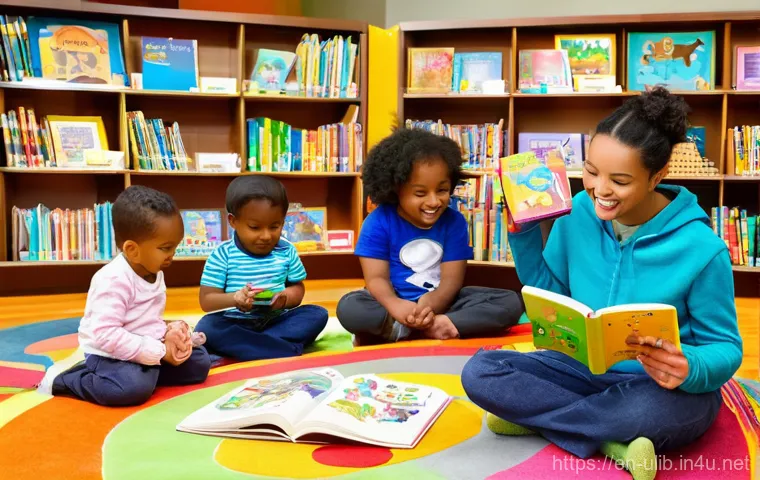
Oh, storytime! It’s still one of my favorite things to watch. It’s not just someone reading aloud anymore; it’s a full-on theatrical experience with puppets, songs, interactive elements, and sometimes even a craft afterward. These sessions are absolutely vital for early literacy, exposing children to new vocabulary, narrative structures, and the sheer delight of a shared story. Beyond that, many libraries run fantastic summer reading programs or year-round reading challenges that motivate kids with rewards, parties, and recognition. I remember my son being so incredibly proud when he finished his first summer reading challenge, earning a certificate and a small prize. It wasn’t about the prize, though; it was about the accomplishment and the feeling of being part of something bigger, all centered around books. These initiatives turn reading into a celebrated achievement, not just a quiet activity.
Building Home Libraries on a Budget
And let’s be real, building a comprehensive home library can get expensive quickly! That’s where the children’s library becomes an indispensable resource. Not only can kids explore a vast array of books before committing to buying, but many libraries also host regular book sales where you can snag incredible deals on gently used books. I’ve personally furnished a good portion of my children’s bookshelves with treasures found at these sales. Moreover, libraries often provide resources for parents on how to read effectively with their children, suggest age-appropriate titles, and even offer free access to digital books and audiobooks through apps like Libby or Hoopla. It’s an absolute game-changer for ensuring continuous access to new stories, helping families foster a reading culture at home without breaking the bank. It truly feels like a partnership in nurturing lifelong readers.
Community Hubs and Family Connections
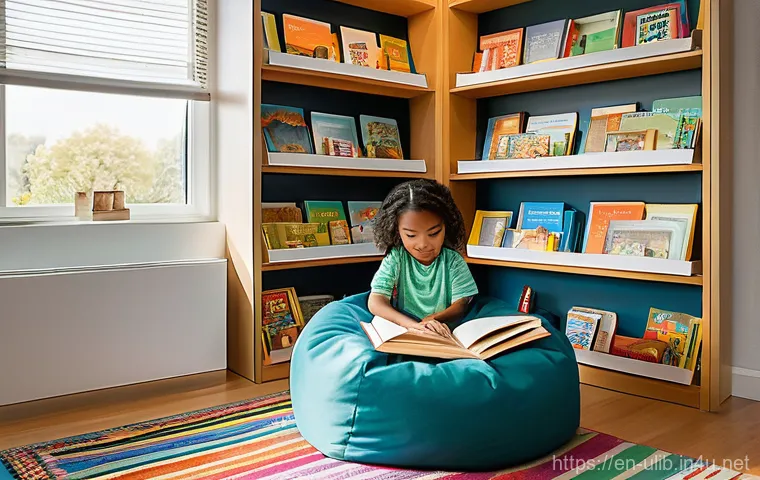
Stepping back for a moment, it’s really striking how children’s libraries have cemented their place not just as educational institutions, but as true community cornerstones. They’ve become vital gathering places where families can connect, learn, and grow together, fostering a sense of belonging that’s so important in our often-fragmented modern lives. It’s not uncommon to see parents chatting while their kids play, or older adults volunteering their time to read to children, creating beautiful intergenerational connections. I’ve experienced this firsthand at our local branch, where the weekly toddler playgroup has turned into a support network for me and several other parents. We share tips, laugh at our parenting woes, and our kids get to interact in a safe, stimulating environment. This organic community building is something I deeply value, as it enhances not only our children’s lives but ours as well, reminding us that we’re all in this together.
Support Networks for Parents and Caregivers
Beyond the informal chats, many children’s libraries offer structured programs specifically designed to support parents and caregivers. I’ve seen everything from new parent support groups to workshops on positive discipline or navigating school choices. They often bring in local experts – pediatricians, educators, child psychologists – to give talks and answer questions, providing invaluable access to professional advice that might otherwise be costly or difficult to find. For me, attending a workshop on early childhood development at the library was incredibly helpful; it wasn’t just about the information, but also about realizing that other parents were grappling with similar challenges. It builds a sense of solidarity and empowers parents with knowledge, making the often-overwhelming journey of raising children a little less daunting and a lot more connected.
Bridging Generations and Fostering Volunteering
One of the most beautiful aspects of these libraries is how they effortlessly bring different generations together. I’ve seen retired teachers volunteer to tutor struggling students after school, and teenagers earning community service hours by helping out with summer reading programs. These interactions are incredibly enriching for everyone involved. For the children, they get to learn from and connect with older members of their community, gaining different perspectives and mentorship. For the volunteers, it provides a sense of purpose and a chance to share their wisdom and experience. It truly creates a vibrant ecosystem where knowledge and kindness flow freely between age groups. It feels like a living, breathing example of how a community can uplift all its members, reminding us of the power of shared experiences and collective growth.
Adventures Beyond Walls: Digital and Outreach Programs
It’s easy to think of a library as just a building filled with books, but what I find truly remarkable about today’s children’s libraries is their expansive reach beyond their physical walls. They’re embracing the digital landscape and actively engaging in outreach, ensuring that even children who can’t physically visit still have access to their incredible resources and programs. This commitment to accessibility is something I deeply admire, especially in an age where digital divides can leave some children at a disadvantage. They’ve become adept at leveraging technology to extend their services, turning geographical barriers into mere inconveniences. From virtual storytimes to online learning platforms, it’s clear they’re dedicated to making their magic available to every single child, no matter where they are. It truly feels like they are weaving themselves into the fabric of the community in ever more innovative ways, making sure no child is left behind in the journey of discovery.
Virtual Storytimes and Online Learning Resources
During challenging times, I was so impressed by how quickly many children’s libraries pivoted to offer engaging virtual storytimes. It meant that even when we couldn’t gather in person, children could still enjoy their favorite books read aloud by a familiar face, often accompanied by interactive songs and activities. But it doesn’t stop there; libraries are also curating and providing free access to a wealth of online learning resources. Think educational apps, digital encyclopedias, language learning platforms, and even homework help services, all accessible from home with just a library card. This means that learning doesn’t have to stop when the library doors close, or if a family lives too far to visit regularly. It’s an invaluable extension of their mission, providing continuous educational support and entertainment right at our fingertips, which I personally find incredibly convenient and beneficial for my own children’s learning journey.
Bringing the Library to the Community
Beyond the digital, libraries are also making a concerted effort to reach out directly into communities, especially those underserved. I’ve seen “library on wheels” programs that bring books and activities to parks, community centers, and even schools in neighborhoods that might not have easy access to a branch. These mobile libraries are often vibrant, engaging spaces themselves, offering pop-up storytimes and craft activities right where children are already gathering. They also partner with local organizations for events, bringing literacy and learning directly to families who might not otherwise think to visit the library. This proactive approach ensures that the benefits of the library are truly widespread, breaking down socioeconomic and logistical barriers. It’s a wonderful demonstration of how libraries are not just waiting for people to come to them, but actively going out and spreading the joy of learning to every corner of the community.
The Investment in Our Children’s Future
When you really think about everything modern children’s libraries offer, it becomes abundantly clear that they’re not just a recreational stop; they are a fundamental investment in the future of our children and, by extension, our society. The sheer breadth and depth of free resources available are astonishing, truly acting as an equalizer for families across all socioeconomic backgrounds. I often find myself reflecting on how much these institutions contribute to developing well-rounded individuals – not just smart kids, but empathetic, creative, and curious ones. They embody the idea that access to knowledge and opportunities should be universal. It’s a place where every child can dream, discover, and develop without the burden of cost, which is something I deeply appreciate as a parent navigating the rising costs of just about everything else. Supporting these vital community assets truly feels like investing in the intellectual and emotional capital of the next generation.
Empowering Learning Beyond the Classroom
One of the most significant roles libraries play is complementing and extending classroom learning. I’ve personally seen how a library can be a crucial resource for homework help, providing a quiet space, access to diverse materials, and often, even volunteer tutors. But it’s more than just academic support; libraries foster a love for independent learning and exploration that schools, by their very nature, sometimes struggle to cultivate. Children can delve into topics that pique their specific interests, far beyond what might be covered in the curriculum. Whether it’s researching dinosaurs for a passion project, learning about different cultures, or exploring a new hobby through books and workshops, libraries provide the freedom and resources for kids to direct their own learning journeys. This self-directed exploration is absolutely key to fostering lifelong learners and critical thinkers, allowing them to follow their innate curiosity wherever it leads.
A Free & Accessible Fountain of Opportunity
Perhaps the most powerful aspect of children’s libraries is their unparalleled accessibility. In a world where so many enriching experiences come with a price tag, libraries stand as steadfast beacons of free opportunity. From story times and craft sessions to coding workshops and educational games, almost everything is available without cost. This means that every child, regardless of their family’s financial situation, has equal access to high-quality educational and recreational activities. It’s an incredible leveler, ensuring that all children have the chance to develop new skills, discover passions, and simply experience the joy of learning. I’ve always found it remarkable how much value these institutions offer, asking for nothing more than a library card in return. It’s a true public service, enriching lives and strengthening communities by providing vital resources to everyone, unequivocally.
Wrapping Things Up
Whew! It’s truly incredible to see how children’s libraries have evolved, isn’t it? From those quiet study havens I remember as a kid to the bustling, tech-infused hubs they are today, they’ve become so much more than just repositories for books. They’re nurturing grounds for future innovators, safe spaces for every child, and vibrant community centers that connect families and bridge generations. I honestly feel like these institutions are one of the most underrated treasures in our communities, constantly adapting to meet the evolving needs of our children and families. It’s been an absolute joy sharing my experiences and observations with you, and I hope it sparks a renewed appreciation for your local children’s library and all the wonderful opportunities it offers.
Handy Tips and Resources
Here are a few quick tips to help you and your little ones get the most out of your local children’s library:
1. Explore Beyond Books: Don’t just head to the fiction aisle! Ask librarians about coding clubs, STEM workshops, craft sessions, and virtual learning resources. Many libraries offer incredible, free programs that go way beyond storytime and can spark entirely new passions for your kids.
2. Leverage Digital Offerings: Your library card is a golden ticket to a treasure trove of free e-books, audiobooks, educational apps, and even online tutoring services. Check their website or ask a librarian about popular apps like Libby or Hoopla to access these resources from home, making learning and entertainment readily available.
3. Connect with Librarians: These amazing folks are a wealth of knowledge! They can recommend age-appropriate books tailored to your child’s interests, guide you to specific programs that align with their learning style, and even help with school projects. Don’t hesitate to strike up a conversation—they’re truly there to help you navigate all the library has to offer.
4. Check for Parent Workshops: Many libraries host workshops specifically designed for parents on a wide range of topics, from early literacy development and digital safety to positive discipline techniques or navigating school choices. These are fantastic, free opportunities not only to learn invaluable information but also to connect with other parents in your community.
5. Volunteer or Donate: If you love your local library and all it provides, consider giving back! Volunteering your time, whether it’s helping with a storytime or shelving books, or donating to their regular book sales, can help them continue offering their invaluable services to the community. Every little bit truly helps keep these vital institutions thriving and accessible to everyone.
Key Takeaways for Parents
As we wrap up our dive into the modern children’s library, I really want to emphasize a few core points that I’ve found incredibly impactful as a parent and a keen observer of these evolving spaces. Firstly, these aren’t your grandma’s libraries; they are dynamic, innovative hubs that actively prepare children for a digital future through engaging coding clubs, hands-on STEM workshops, and essential media literacy education. Think of them as free, accessible innovation labs right in your neighborhood! Secondly, beyond the tech, they remain unparalleled champions of literacy, masterfully fostering a lifelong love for reading through captivating storytimes and carefully curated, diverse collections that genuinely reflect our richly varied world. This commitment ensures every child can find a story that resonates with them. Lastly, and perhaps most importantly, children’s libraries are profound community builders. They offer vital support networks for parents, create beautiful intergenerational connections through volunteering and shared activities, and ensure that every child, regardless of background, has equal access to a boundless fountain of knowledge and opportunity. So, next time you’re looking for enriching and free activities for your family, remember your local library – it’s truly a powerhouse of potential waiting to be explored!
Frequently Asked Questions (FAQ) 📖
Q: I still remember libraries as just quiet places filled with books. What kind of really cool and modern programs are today’s children’s libraries offering that go beyond just reading?
A: Oh, I totally get what you mean! When I first started exploring what my local children’s library offered, I was absolutely blown away. It’s not just about dusty shelves and whispered ‘shh’s anymore, trust me.
These places have transformed into vibrant, interactive learning hubs! I’ve personally seen libraries running incredible STEM workshops where kids build robots or learn basic engineering concepts – it’s just fantastic to watch their little minds light up.
My friend’s daughter even joined a coding club at their library, and she’s absolutely thriving, creating her own little games! Beyond that, many now offer vital online safety workshops, teaching kids how to navigate the internet responsibly, which is such a relief for us parents.
And here’s something truly special: some libraries have even developed sensory-friendly spaces, designed to be welcoming and inclusive for children with diverse needs.
It’s a far cry from the libraries of our childhood, providing hands-on experiences that make learning feel like pure play. They’re genuinely shaping curious, confident little learners, and frankly, I think it’s brilliant.
Q: With kids spending so much time on screens, how are these children’s libraries actually managing to stay relevant and pull kids away from their devices? It feels like an uphill battle sometimes!
A: You’ve hit on one of the biggest challenges we face as parents today, haven’t you? It really does feel like screens are everywhere! But what I’ve discovered, and what truly impresses me about modern children’s libraries, is how smartly they’ve adapted.
They’re not just fighting the digital tide; they’re actually using it to their advantage, creating a fantastic balance. They bridge that digital divide by offering safe, supervised access to technology, whether it’s computers for homework, educational apps on tablets, or even virtual reality experiences that bring stories to life.
I’ve noticed they’ve mastered the art of “screen time with a purpose.” Plus, by having those engaging STEM and coding programs I mentioned earlier, they show kids that technology can be a tool for creation, not just passive consumption.
But here’s the kicker: they still fiercely champion the magic of physical books and human connection. Storytimes are still as popular as ever, fostering that love of reading and building community.
They create an environment where kids can learn to balance both worlds, and honestly, that’s exactly what our children need right now.
Q: Are all these amazing programs and resources truly free, and how do they really contribute to my child’s long-term development? I’m always looking for things that offer real value.
A: This is probably one of the best parts about children’s libraries, and it’s something I always make sure to tell other parents about: Yes, for the vast majority of their programs and resources, they are absolutely free!
All you typically need is a library card, which is usually free to obtain for residents. I’ve always believed that access to quality education and enriching experiences shouldn’t depend on your wallet, and libraries truly embody that philosophy.
Think about it: free access to countless books, educational workshops, expert staff who are passionate about children’s literacy, and a safe community space.
From a developmental perspective, the benefits are immense and far-reaching. Early exposure to books fosters critical literacy skills, imagination, and a lifelong love of learning.
The diverse programs encourage critical thinking, problem-solving, and social skills as children interact with peers and librarians. These places are true anchors for early literacy and lifelong learning, providing foundational experiences that build curiosity, resilience, and a sense of belonging.
Honestly, if you’re looking for real, tangible value for your child’s growth and development, your local children’s library is an absolute goldmine. You just can’t put a price on that kind of opportunity.