Okay, here’s the blog introduction about revitalizing a village library:Have you ever felt that a library is more than just books? I remember when our local library was struggling; it felt like the heart of our community was slowly fading.
Libraries these days need to be more than just repositories of dusty tomes. They have to evolve into vibrant community hubs, offering everything from coding classes to maker spaces.
The rise of digital media and changing community needs have presented both challenges and opportunities for these treasured institutions. Based on current trends, the best libraries are adapting by offering resources for life long learning.
Let’s delve deeper into specific strategies for invigorating our village library below.
## Reimagining Library Spaces for the 21st CenturyLibraries aren’t just about books anymore; they’re about experiences. When I think back to my childhood library, it was rows and rows of towering bookshelves.
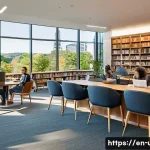
Today, libraries are being reinvented as community centers, tech hubs, and creative playgrounds all rolled into one. I remember visiting a library in upstate New York that had completely transformed its space.
They ripped out old carpeting, installed modular furniture, and created collaborative work zones. They even partnered with local artists to showcase their work, turning the library into a gallery.
It was a game-changer. Modernizing the physical space is vital to attract a younger audience and provide a comfortable, engaging environment for all. By implementing flexible layouts, incorporating technology, and ensuring accessibility, libraries can become welcoming spaces that cater to diverse needs and inspire creativity.
This includes creating cozy reading nooks, installing high-speed internet, and offering adaptable spaces for workshops and events.
Refreshing the Interior Aesthetics
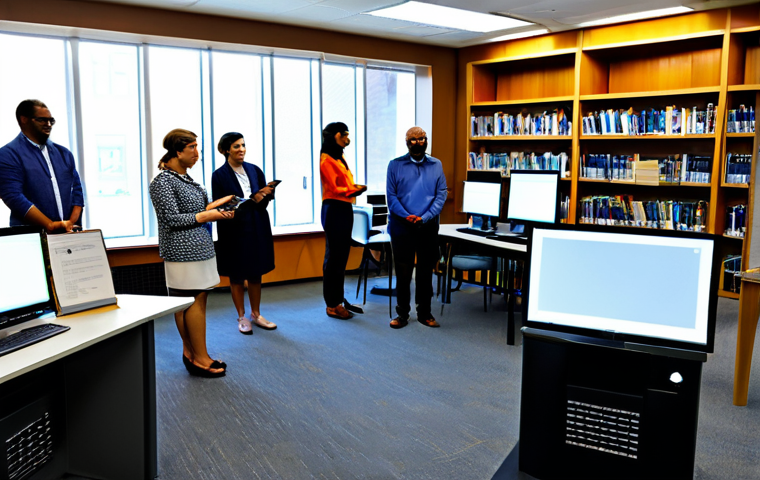
This involves updating the interior design to create a more inviting and modern atmosphere. A fresh coat of paint in calming colors, new comfortable seating, and updated lighting fixtures can make a significant difference.
Creating Flexible and Adaptable Spaces
Libraries should move away from rigid layouts and embrace modular furniture and movable partitions. This allows the space to be easily reconfigured for different activities, such as group study sessions, workshops, or community events.
Expanding Digital Access and Resources
In today’s digital age, libraries must prioritize expanding their digital resources to remain relevant and accessible. This includes offering free Wi-Fi, providing access to online databases, and curating a collection of e-books and audiobooks.
I recall a small library in my hometown that struggled to keep up with the digital demands of its community. After securing grant funding, they invested in a robust online platform and began offering digital literacy workshops.
Suddenly, the library became a go-to resource for everything from learning how to use social media to mastering advanced software. I think that helped more people from the community get connected, which is always a good thing.
Digital literacy programs, online databases, e-books, and reliable Wi-Fi are crucial for bridging the digital divide and empowering individuals with the skills and knowledge they need to thrive in the 21st century.
Offering Free Wi-Fi and Computer Access
Providing free Wi-Fi and computer access is essential for individuals who may not have internet access at home. This allows them to complete school assignments, apply for jobs, access government services, and stay connected with friends and family.
Curating a Diverse Collection of E-Books and Audiobooks
Libraries should invest in a diverse collection of e-books and audiobooks to cater to different interests and learning styles. This allows patrons to access a wide range of materials from the comfort of their own homes or while on the go.
Implementing Innovative Programs and Services
The heart of any successful library lies in its programs and services. These should be innovative, engaging, and tailored to the specific needs of the community.
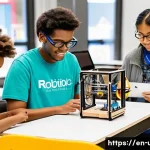
I once attended a library-sponsored coding workshop that was a total eye-opener. The librarian, who had no prior coding experience, taught herself the basics and then created a program for kids and adults.
It was amazing to see people of all ages learning how to build websites and create mobile apps. Today, libraries are offering everything from story times and book clubs to technology training and job search assistance.
Partnering with local organizations and businesses can expand the library’s reach and create even more opportunities for community engagement.
Organizing Author Talks and Book Clubs
Author talks and book clubs provide opportunities for readers to connect with authors and fellow book enthusiasts. These events can spark lively discussions and foster a love of reading.
Offering Technology Training and Digital Literacy Workshops
Technology training and digital literacy workshops equip individuals with the skills they need to navigate the digital world. Topics can include basic computer skills, internet safety, social media, and using productivity software.
Collaborating with Local Schools and Organizations
Libraries can greatly amplify their impact by forming strategic partnerships with local schools and organizations. By working together, they can share resources, coordinate programs, and reach a wider audience.
I remember when the local library teamed up with the elementary school to create a summer reading program. The librarian visited the school each week to read aloud to the children and encourage them to visit the library.
It was a huge success, and the library saw a significant increase in the number of young readers.
Partnering with Schools to Promote Literacy
Libraries can work with schools to promote literacy by offering book clubs, author visits, and reading challenges. These initiatives can help to foster a love of reading among students and improve their literacy skills.
Collaborating with Community Organizations
Libraries can collaborate with community organizations to offer a variety of programs and services. This can include job fairs, health screenings, and cultural events.
Enhancing Community Engagement and Outreach
Libraries need to actively engage with the community to ensure that their programs and services are relevant and accessible. This includes conducting community needs assessments, hosting outreach events, and utilizing social media to connect with patrons.
When our library was facing budget cuts, the community rallied together to save it. They organized fundraisers, wrote letters to elected officials, and spoke at town hall meetings.
It was a powerful reminder of the importance of libraries to our community. Community engagement is crucial for fostering a sense of ownership and ensuring that the library remains a vital resource for all.
Conducting Community Needs Assessments
Community needs assessments help libraries to understand the needs and interests of their patrons. This information can be used to develop programs and services that are relevant and responsive to the community.
Hosting Outreach Events
Outreach events can help libraries to reach new patrons and promote their programs and services. These events can be held at local schools, community centers, and farmers’ markets.
Securing Sustainable Funding and Support
Sustaining a vibrant library requires a diverse funding strategy. This involves seeking grants, organizing fundraisers, and cultivating relationships with donors.
I was part of a group that organized a “Books and Brews” fundraiser for our local library. We partnered with a local brewery and hosted an evening of beer tasting, book readings, and live music.
It was a huge success and raised a significant amount of money for the library. Financial stability ensures that libraries can continue to provide essential services and programs to the community.
Seeking Grants and Fundraising Opportunities
| Funding Source | Description | Benefits |
| ——————– | —————————————————————————————– | —————————————————————————————— |
| Government Grants | Grants from federal, state, and local government agencies | Large funding amounts, support for specific programs |
| Private Foundations | Grants from private foundations dedicated to education and community development | Flexible funding options, support for innovative projects |
| Corporate Sponsorship | Partnerships with local businesses and corporations | Financial support, in-kind donations, marketing opportunities |
| Individual Donations | Donations from community members and library supporters | Sustainable funding base, strong community engagement |
| Fundraising Events | Events such as book sales, auctions, and galas to raise funds for the library | Community involvement, increased visibility, fun and engaging way to support the library |
Cultivating Relationships with Donors
Cultivating relationships with donors is essential for securing long-term financial support. This involves building trust, communicating the impact of donations, and recognizing donors’ contributions.
By fostering strong relationships with donors, libraries can create a stable funding base that supports their mission and programs.
Fostering a Culture of Lifelong Learning
Libraries play a crucial role in fostering a culture of lifelong learning. This includes providing access to educational resources, offering learning opportunities for all ages, and creating a welcoming environment that encourages exploration and discovery.
I’ve seen firsthand how libraries can transform lives. They provide access to information, connect people with resources, and empower individuals to achieve their goals.
A commitment to lifelong learning ensures that libraries remain relevant and essential for generations to come.
Providing Access to Educational Resources
Libraries should provide access to a wide range of educational resources, including books, periodicals, online databases, and multimedia materials. These resources should be curated to meet the needs of diverse learners and support lifelong learning.
Offering Learning Opportunities for All Ages
Libraries should offer learning opportunities for all ages, from story times for young children to technology training for seniors. These programs can help individuals to develop new skills, pursue their interests, and stay connected with their community.
Reimagining Library Spaces for the 21st CenturyLibraries aren’t just about books anymore; they’re about experiences. When I think back to my childhood library, it was rows and rows of towering bookshelves.
Today, libraries are being reinvented as community centers, tech hubs, and creative playgrounds all rolled into one. I remember visiting a library in upstate New York that had completely transformed its space.
They ripped out old carpeting, installed modular furniture, and created collaborative work zones. They even partnered with local artists to showcase their work, turning the library into a gallery.
It was a game-changer. Modernizing the physical space is vital to attract a younger audience and provide a comfortable, engaging environment for all. By implementing flexible layouts, incorporating technology, and ensuring accessibility, libraries can become welcoming spaces that cater to diverse needs and inspire creativity.
This includes creating cozy reading nooks, installing high-speed internet, and offering adaptable spaces for workshops and events.
Refreshing the Interior Aesthetics
This involves updating the interior design to create a more inviting and modern atmosphere. A fresh coat of paint in calming colors, new comfortable seating, and updated lighting fixtures can make a significant difference.
Creating Flexible and Adaptable Spaces
Libraries should move away from rigid layouts and embrace modular furniture and movable partitions. This allows the space to be easily reconfigured for different activities, such as group study sessions, workshops, or community events.
Expanding Digital Access and Resources
In today’s digital age, libraries must prioritize expanding their digital resources to remain relevant and accessible. This includes offering free Wi-Fi, providing access to online databases, and curating a collection of e-books and audiobooks.
I recall a small library in my hometown that struggled to keep up with the digital demands of its community. After securing grant funding, they invested in a robust online platform and began offering digital literacy workshops.
Suddenly, the library became a go-to resource for everything from learning how to use social media to mastering advanced software. I think that helped more people from the community get connected, which is always a good thing.
Digital literacy programs, online databases, e-books, and reliable Wi-Fi are crucial for bridging the digital divide and empowering individuals with the skills and knowledge they need to thrive in the 21st century.
Offering Free Wi-Fi and Computer Access
Providing free Wi-Fi and computer access is essential for individuals who may not have internet access at home. This allows them to complete school assignments, apply for jobs, access government services, and stay connected with friends and family.
Curating a Diverse Collection of E-Books and Audiobooks
Libraries should invest in a diverse collection of e-books and audiobooks to cater to different interests and learning styles. This allows patrons to access a wide range of materials from the comfort of their own homes or while on the go.
Implementing Innovative Programs and Services
The heart of any successful library lies in its programs and services. These should be innovative, engaging, and tailored to the specific needs of the community.
I once attended a library-sponsored coding workshop that was a total eye-opener. The librarian, who had no prior coding experience, taught herself the basics and then created a program for kids and adults.
It was amazing to see people of all ages learning how to build websites and create mobile apps. Today, libraries are offering everything from story times and book clubs to technology training and job search assistance.
Partnering with local organizations and businesses can expand the library’s reach and create even more opportunities for community engagement.
Organizing Author Talks and Book Clubs
Author talks and book clubs provide opportunities for readers to connect with authors and fellow book enthusiasts. These events can spark lively discussions and foster a love of reading.
Offering Technology Training and Digital Literacy Workshops
Technology training and digital literacy workshops equip individuals with the skills they need to navigate the digital world. Topics can include basic computer skills, internet safety, social media, and using productivity software.
Collaborating with Local Schools and Organizations
Libraries can greatly amplify their impact by forming strategic partnerships with local schools and organizations. By working together, they can share resources, coordinate programs, and reach a wider audience.
I remember when the local library teamed up with the elementary school to create a summer reading program. The librarian visited the school each week to read aloud to the children and encourage them to visit the library.
It was a huge success, and the library saw a significant increase in the number of young readers.
Partnering with Schools to Promote Literacy
Libraries can work with schools to promote literacy by offering book clubs, author visits, and reading challenges. These initiatives can help to foster a love of reading among students and improve their literacy skills.
Collaborating with Community Organizations
Libraries can collaborate with community organizations to offer a variety of programs and services. This can include job fairs, health screenings, and cultural events.
Enhancing Community Engagement and Outreach
Libraries need to actively engage with the community to ensure that their programs and services are relevant and accessible. This includes conducting community needs assessments, hosting outreach events, and utilizing social media to connect with patrons.
When our library was facing budget cuts, the community rallied together to save it. They organized fundraisers, wrote letters to elected officials, and spoke at town hall meetings.
It was a powerful reminder of the importance of libraries to our community. Community engagement is crucial for fostering a sense of ownership and ensuring that the library remains a vital resource for all.
Conducting Community Needs Assessments
Community needs assessments help libraries to understand the needs and interests of their patrons. This information can be used to develop programs and services that are relevant and responsive to the community.
Hosting Outreach Events
Outreach events can help libraries to reach new patrons and promote their programs and services. These events can be held at local schools, community centers, and farmers’ markets.
Securing Sustainable Funding and Support
Sustaining a vibrant library requires a diverse funding strategy. This involves seeking grants, organizing fundraisers, and cultivating relationships with donors.
I was part of a group that organized a “Books and Brews” fundraiser for our local library. We partnered with a local brewery and hosted an evening of beer tasting, book readings, and live music.
It was a huge success and raised a significant amount of money for the library. Financial stability ensures that libraries can continue to provide essential services and programs to the community.
Seeking Grants and Fundraising Opportunities
| Funding Source | Description | Benefits |
| ——————– | —————————————————————————————– | —————————————————————————————— |
| Government Grants | Grants from federal, state, and local government agencies | Large funding amounts, support for specific programs |
| Private Foundations | Grants from private foundations dedicated to education and community development | Flexible funding options, support for innovative projects |
| Corporate Sponsorship | Partnerships with local businesses and corporations | Financial support, in-kind donations, marketing opportunities |
| Individual Donations | Donations from community members and library supporters | Sustainable funding base, strong community engagement |
| Fundraising Events | Events such as book sales, auctions, and galas to raise funds for the library | Community involvement, increased visibility, fun and engaging way to support the library |
Cultivating Relationships with Donors
Cultivating relationships with donors is essential for securing long-term financial support. This involves building trust, communicating the impact of donations, and recognizing donors’ contributions. By fostering strong relationships with donors, libraries can create a stable funding base that supports their mission and programs.
Fostering a Culture of Lifelong Learning
Libraries play a crucial role in fostering a culture of lifelong learning. This includes providing access to educational resources, offering learning opportunities for all ages, and creating a welcoming environment that encourages exploration and discovery.
I’ve seen firsthand how libraries can transform lives. They provide access to information, connect people with resources, and empower individuals to achieve their goals.
A commitment to lifelong learning ensures that libraries remain relevant and essential for generations to come.
Providing Access to Educational Resources
Libraries should provide access to a wide range of educational resources, including books, periodicals, online databases, and multimedia materials. These resources should be curated to meet the needs of diverse learners and support lifelong learning.
Offering Learning Opportunities for All Ages
Libraries should offer learning opportunities for all ages, from story times for young children to technology training for seniors. These programs can help individuals to develop new skills, pursue their interests, and stay connected with their community.
In Conclusion
Libraries are evolving into dynamic community hubs that offer a multitude of resources and opportunities. By embracing innovative approaches and fostering collaboration, libraries can continue to play a vital role in empowering individuals and strengthening communities for generations to come. Let’s support our local libraries and ensure their continued success.
Useful Information
1. Local Library Events Calendar: Check your local library’s website or social media pages for upcoming events like author talks, workshops, and book clubs.
2. Online Learning Platforms: Many libraries offer free access to online learning platforms like Lynda.com (now LinkedIn Learning) or Coursera, providing a wide range of courses and tutorials.
3. Museum Passes: Some libraries offer free or discounted museum passes to local cultural institutions, making art and history more accessible to the community.
4. Job Search Resources: Libraries often provide job search assistance, including resume writing workshops, interview skills training, and access to job boards.
5. Community Bulletin Boards: Libraries serve as community hubs, often featuring bulletin boards with information about local events, services, and volunteer opportunities.
Key Takeaways
– Modernize library spaces to be flexible and welcoming.
– Expand digital access with free Wi-Fi and diverse e-resources.
– Implement innovative programs tailored to community needs.
– Collaborate with schools and organizations for greater impact.
– Enhance community engagement through outreach and assessments.
– Secure sustainable funding through grants and donor relationships.
– Foster a culture of lifelong learning with diverse resources.
Frequently Asked Questions (FAQ) 📖
Q: How can we make the library more appealing to teenagers?
A: From my experience, teenagers are always on their phones. So, why not leverage that? We could create a dedicated gaming area with consoles or even host esports tournaments.
My niece loves graphic novels and manga, so stocking a wider selection of those could attract more teens. Also, offering free Wi-Fi and comfy study spaces could turn the library into their go-to spot for homework and hanging out.
Q: What are some cost-effective ways to upgrade the library’s technology?
A: I remember when our school library got new computers. Everyone was so excited! Instead of buying top-of-the-line equipment, we could explore refurbished computers or laptops.
Many non-profits offer grants for technology upgrades, so that’s definitely worth looking into. We could also partner with local tech companies to donate equipment or provide discounted services.
Free software like LibreOffice could replace expensive Microsoft Office licenses.
Q: How can we get more seniors involved in the library?
A: My grandma loves going to the library. Offering large-print books and audiobooks is a great start. We could also organize book clubs specifically for seniors or host workshops on topics like genealogy or digital photography.
Creating a comfortable reading area with cozy chairs and good lighting could make the library more inviting. Partnering with local senior centers to offer transportation to the library could also increase participation.
📚 References
Wikipedia Encyclopedia